Last updated October 31, 2026
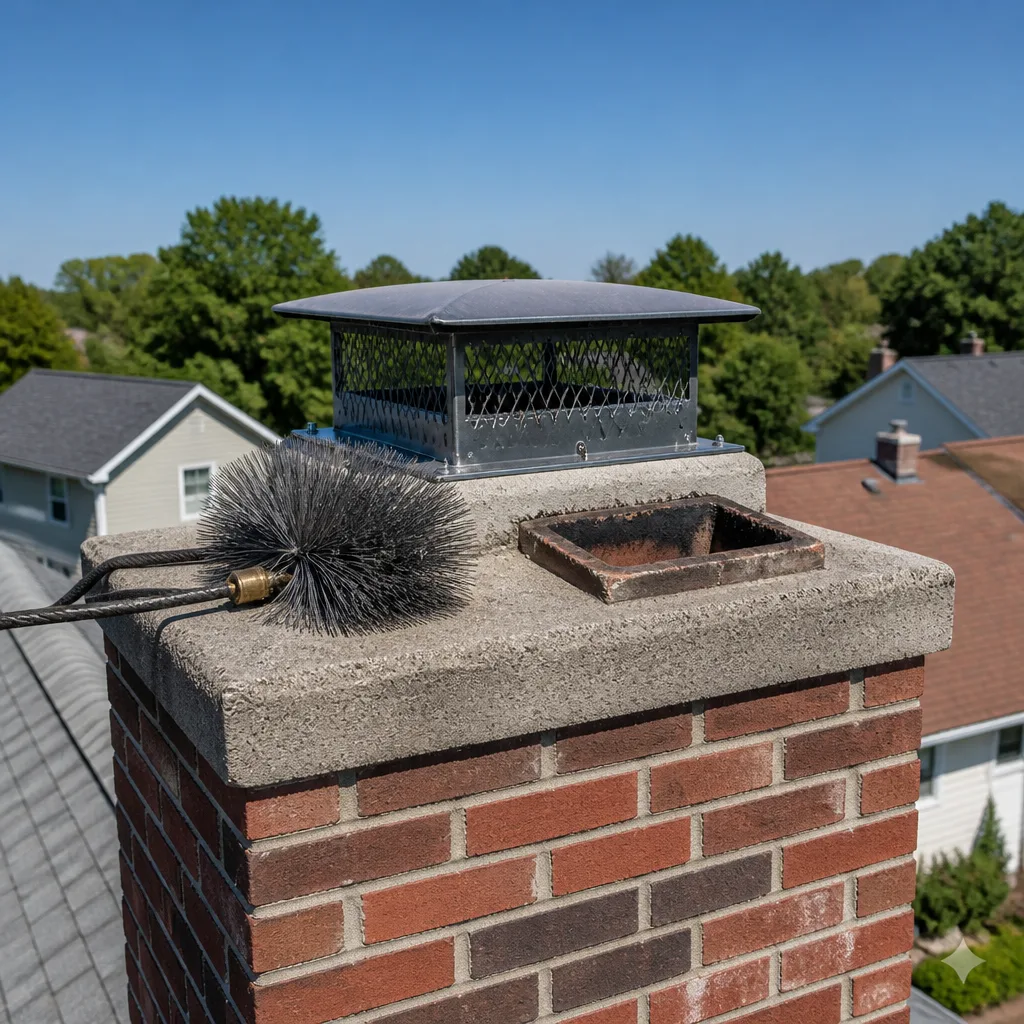 Sweep & inspection
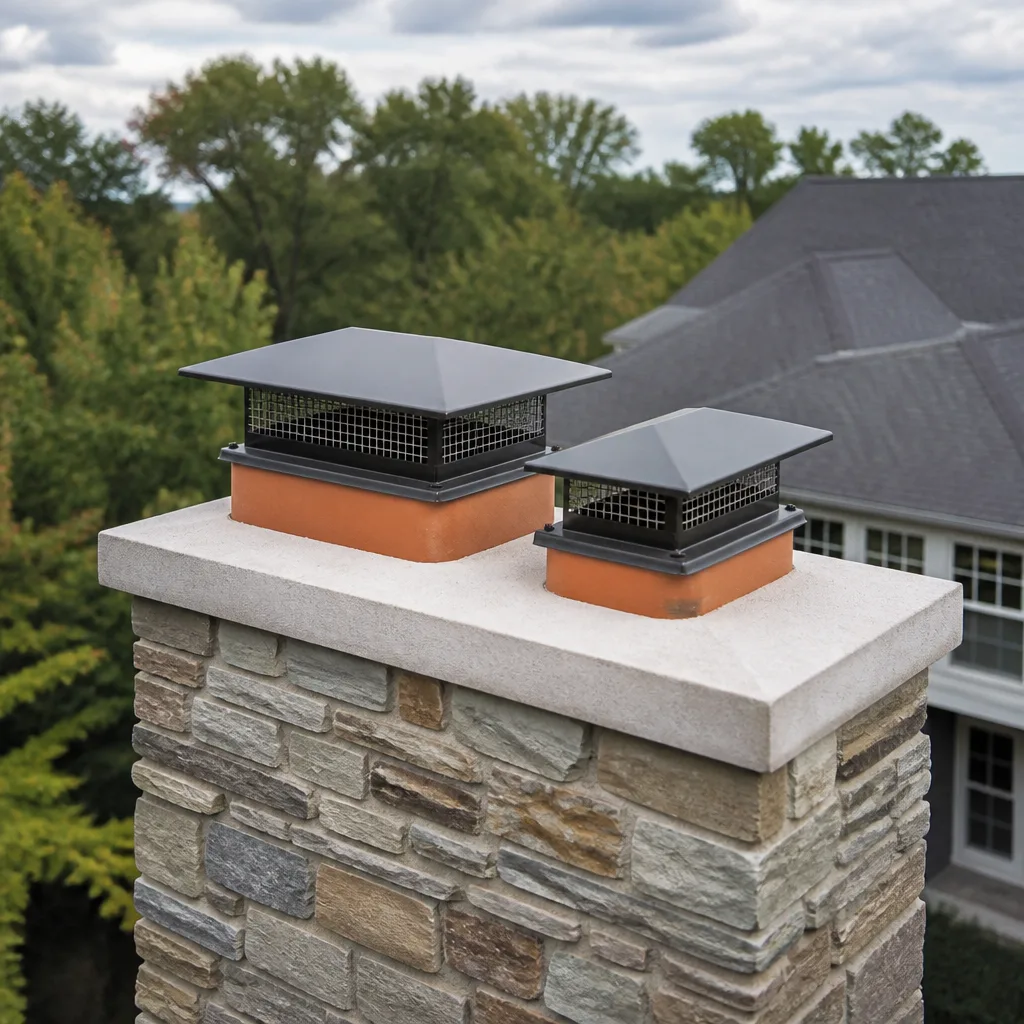 Caps & crowns
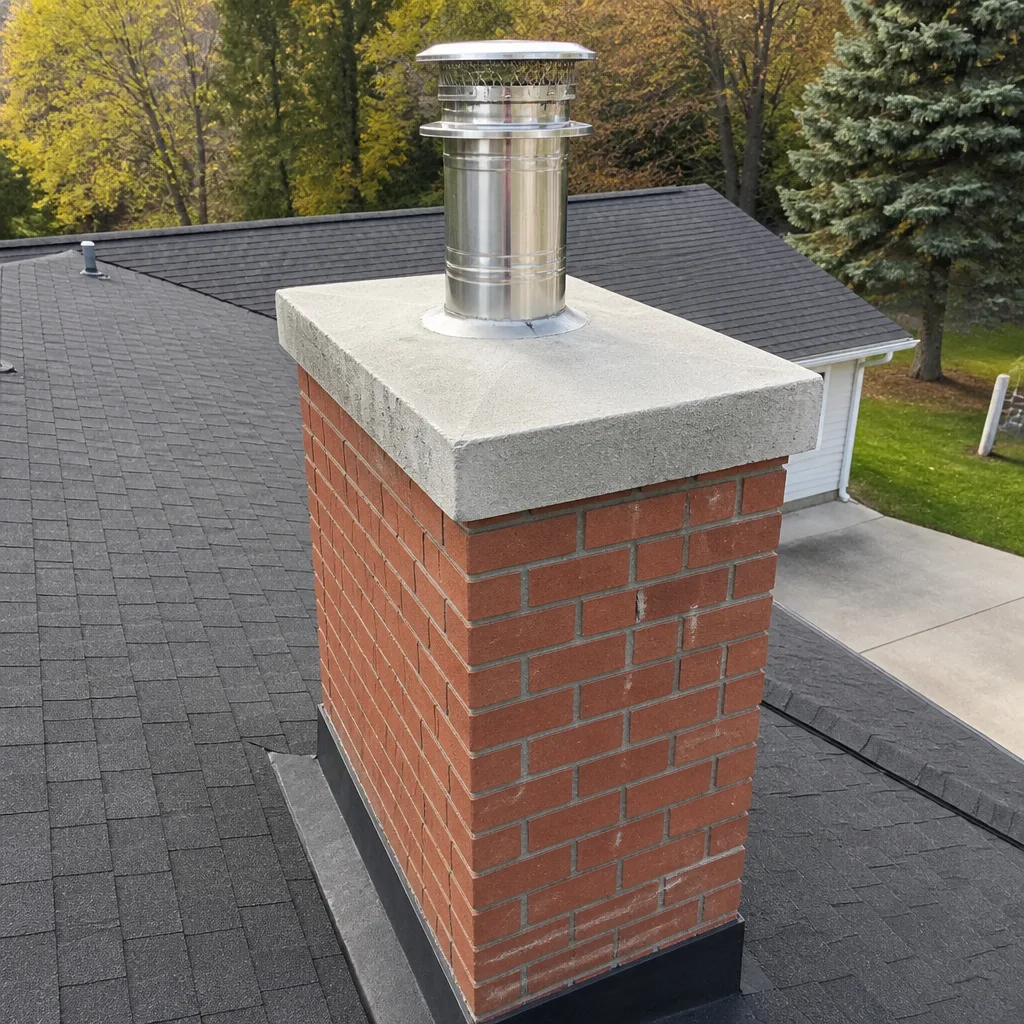 Flue relining
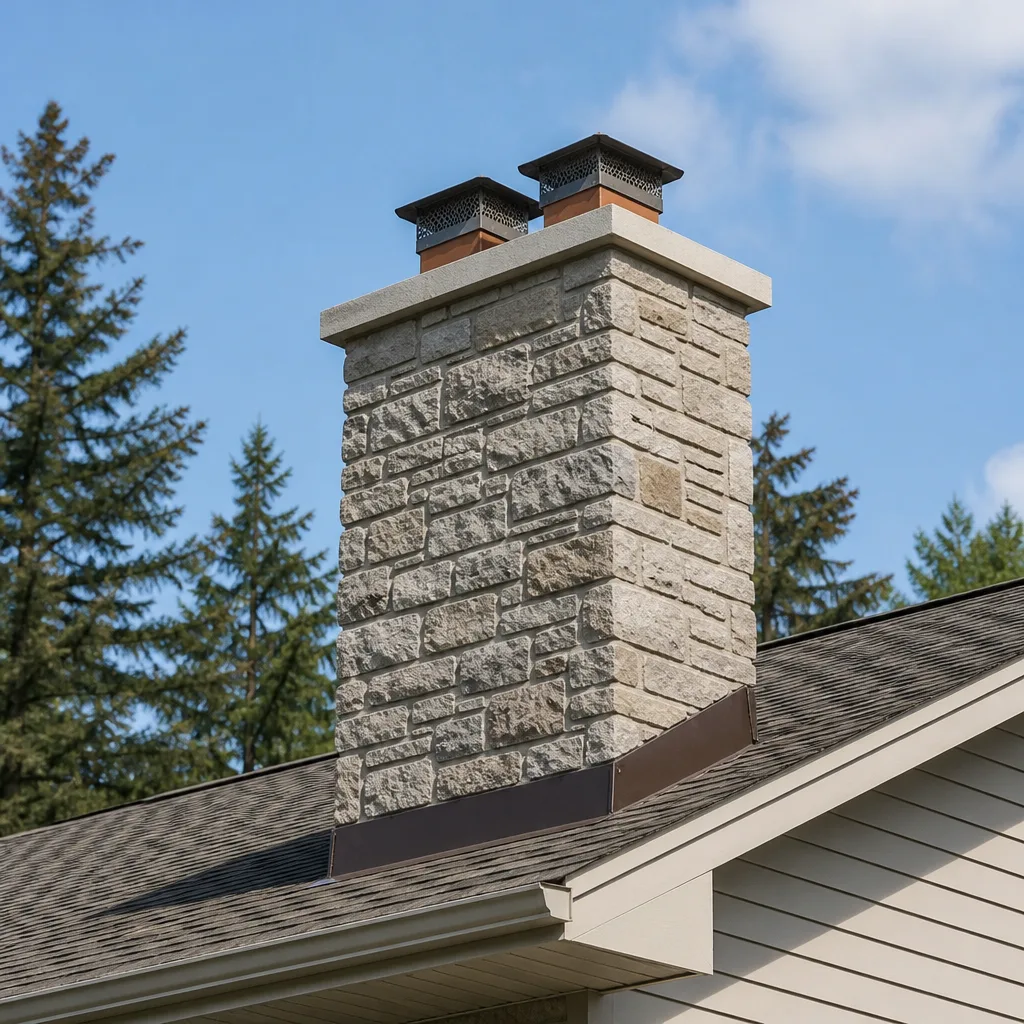 Masonry repair
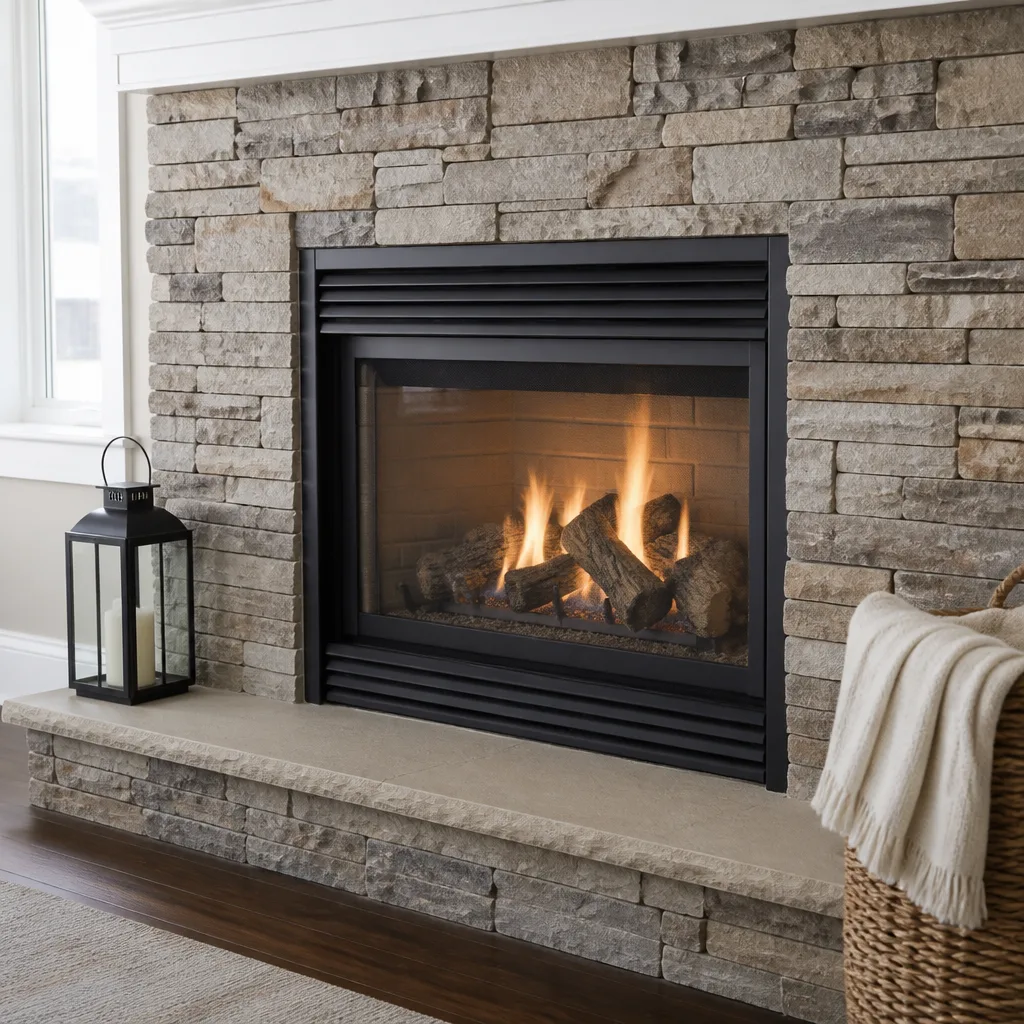 Gas fireplace service
Level 1 sweep and inspection to the NFPA 211 annual standard - flue, crown, cap, and flashing checked and photographed
Chimney sweep logs do not sweep chimneys. They loosen some creosote - which then falls where a brush and vacuum still have to collect it.
DIY vs Professional Chimney Cleaning: The Universal City Homeowner’s Decision Guide
Most Universal City homeowners who try to clean their own chimney have never actually seen the inside of one. Not the whole thing, anyway. They see the firebox, maybe the first foot or two of flue tile. A chimney brush and a drop cloth will get you that far, roughly the bottom 18 inches of a flue that may run 20 feet or more. The part you can’t see is where stage-three creosote glazes into a tarry layer that a hardware-store brush skates right over, and where hairline liner fractures quietly become carbon monoxide pathways. This guide explains what DIY chimney sweeping actually removes, what it misses, and how to tell the difference before a chimney fire reminds you, and you can find more guides & resources on our blog.
Styles & brands we work with
Quick Answer
DIY chimney cleaning can remove loose surface soot from the lower flue, but it cannot replicate the mechanical action, inspection depth, or material testing that professional sweeping provides. For a regularly-used fireplace in Universal City, a professional chimney sweep with a rotary system and inspection camera is the only way to confirm your flue is actually safe, not just visually brighter at the bottom. If you burn wood more than a handful of times per season, you’re accumulating deposits that a DIY approach will not fully clear.
Table of Contents
- What a DIY Chimney Brush Actually Removes (And What It Leaves Behind)
- Creosote Has Stages: Why Surface Sweeping Is Not Enough
- The Liner Inspection Gap: What Your Eyes Cannot Detect
- The Equipment Cost Reality: One Cleaning vs. Professional Tooling
- When DIY Brushing Makes Sense (The Honest Answer)
- California Insurance and Your Chimney: What Self-Cleaning Doesn’t Prove
- What a Professional Sweep in Universal City Actually Includes
- Common Mistakes to Avoid
- When to Call a Professional
- Frequently Asked Questions
- The Bottom Line
What a DIY Chimney Brush Actually Removes (And What It Leaves Behind)
A wire brush from the hardware store does one thing: it knocks loose dust and light soot from the flue walls it can physically touch. That’s stage-one creosote, a flaky gray or black powder that forms when wood smoke cools quickly against the flue tile. It comes off with brushing. It’s also the least dangerous form of creosote, more of a nuisance than a fire hazard on its own.
What the brush does not reach is the upper third of the flue, where smoke has cooled enough to deposit the denser material. It also cannot reach the smoke shelf, the flat ledge just above the firebox that collects debris, or the damper assembly, both of which accumulate creosote in amounts that matter. And it cannot remove stage-two or stage-three creosote at all, no matter how hard you scrub. Stage-two creosote is a hard, shiny, dark brown or black glaze that bonds to the flue wall. Stage-three is stage-two that’s been through additional heating cycles: a tarry, concentrated coating that ignites at roughly 2,000 degrees and burns hot enough to crack flue tile and spread to roof framing.
In Universal City, where winter evenings can dip into the 40s and fireplaces run regularly from November through February, we see second-stage creosote in wood-burning flues after a single burn season. It’s not a sign of misuse. It’s the normal chemistry of pine, cedar, and eucalyptus smoke, woods common in Southern California, cooling in a tile flue. A homeowner who brushes the bottom of the chimney and sees black dust in the drop cloth believes they’ve cleaned it. What they’ve done is removed the visible fraction of a deposit that remains concentrated higher up.
There’s also the question of what a DIY cleaning sends into the house. Without a HEPA-filtered vacuum running during the sweep, loosened soot becomes airborne. It settles on carpet, furniture, and inside HVAC returns. The dust that makes it into the air you breathe the next morning includes creosote particles, which are not something you want in your lungs. Professional sweeping in Universal City uses a high-capacity HEPA dust collection system that keeps the work area under negative pressure while the brushes turn. That’s not a premium add-on; it’s the difference between cleaning the chimney and moving the chimney’s contents into your living room.
Creosote Has Stages: Why Surface Sweeping Is Not Enough
Understanding creosote stages is the single most useful thing a homeowner can do before deciding whether to clean a chimney themselves. The stages are not subjective. They are defined by physical and chemical changes that directly affect what kind of removal method works.
Stage one is loose, flaky, and dry. It brushes off with almost any mechanical action. DIY brushing at this stage is genuinely effective, provided you can reach the whole flue, which most homeowner brush kits cannot above a certain height.
Stage two is a hard glaze. It has been heated repeatedly until the softer compounds burned off, leaving a dense, glass-like carbon layer. A manual wire brush does almost nothing to stage-two creosote. You need rotary equipment with aggressive heads, and in many cases, chemical treatment first to soften the glaze. Some professional sweeps use a product like Cre-Away or a similar creosote modifier, applied and left to dwell, before the rotary pass. Hardware-store brushes cannot hold a chemical. They’re wire and rod, nothing else.
Stage three is stage-two on the path to ignition. It’s tarry, concentrated, and highly combustible. Removing stage-three creosote safely requires a rotary chain head or an industrial whip system that pulverizes the glaze without shattering the flue tile behind it. The force involved is significant, and a homeowner trying to replicate that with a drill attachment is working blind, with a tool never designed for flue tile contact at speed. Cracked tile is a common outcome. A cracked flue tile is a code violation and a carbon monoxide leak path, and it’s not something a visual check from the roof will reliably catch.
In practical terms, a Universal City homeowner burning a fire more than once a week through winter will be dealing with stage-two creosote by spring. That’s not a guess. That’s what wood chemistry does in a standard masonry chimney with no insulated liner. If you’ve burned pine or eucalyptus, both abundant and cheap in this region, the buildup forms faster because those woods produce more resinous particulate per cord than hardwoods like oak.
The Liner Inspection Gap: What Your Eyes Cannot Detect
The most dangerous flaw in a chimney is the one you cannot see. Hairline cracks in clay flue liner start small, often where a previous chimney fire briefly overheated the tile, or where decades of thermal cycling caused stress fractures at mortar joints. They don’t announce themselves. No smoke smell. No visible damage from the firebox. You’d need a camera.
Professional chimney sweeps run a high-resolution inspection camera up the flue as part of every cleaning service. The camera sees what the eye cannot: spalling, cracked mortar joints, separated flue sections, animal nesting debris, and glaze deposits hiding behind the damper. That visual record matters because a crack measured today might be a half-inch gap in three years, after more heat cycling and moisture intrusion. The chimney that seems fine is often the one that needs attention, because the exterior masonry and the lower flue look normal while the upper flue does not.
In Universal City specifically, older homes built in the 1950s and 1960s along the hillside streets north of the 101 are reaching the end of their original clay liner service life. That’s not a knock on the construction. It’s time. Clay liner systems were never designed to last the life of the house. They have a functional lifespan, and many Universal City chimneys are now past it. A homeowner who cleans their own chimney is not seeing what time has done to the tile above the roofline, because no amount of brushing reveals a 4-millimeter crack.
For chimneys serving gas appliances, the inspection gap is even more consequential. A gas furnace or water heater venting into a masonry chimney without a proper liner sends acidic exhaust gasses up the flue. Those gasses eat through mortar joints over time. The homeowner sees a working furnace. The flue tile is dissolving. Only a camera inspection catches that before it becomes a carbon monoxide event inside the house.
We specify liners by name when we repair these conditions: chimney repair in Universal City requires products like DuraFlex flexible liner systems, which are engineered for the acidic exhaust of modern gas appliances. The material matters because a generic substitute will fail early, and the homeowner is back to the same problem. That’s the real cost of a cheap liner: you pay twice.
The Equipment Cost Reality: One Cleaning vs. Professional Tooling
Let’s be honest about what professional chimney sweeping costs to perform at the level that’s actually required, not what a DIY kit promises; for a full breakdown, see our Chimney Cleaning Cost Breakdown: The Universal City Homeowner’s Reference for 2026.
A consumer brush kit runs $40 to $80 at a big-box store. It includes a brush, a few fiberglass rods, and a drop cloth. It’s designed to give the homeowner the experience of cleaning, not to accomplish the task a professional sweep would recognize as cleaning. To actually replicate a professional job, you’d need:
- A rotary cleaning system with interchangeable heads for flue size and creosote stage: $800 to $2,500
- An inspection camera with enough resolution to spot hairline cracks: $700 to $3,000
- A HEPA dust collection vacuum with sufficient CFM to maintain negative pressure in the firebox: $1,200 to $4,000
- Flue tile and liner inspection tools, including calipers and mirror systems where cameras cannot reach: $300 to $900
- Personal protective equipment rated for creosote particulate, including respirator cartridges: $150 to $400
- Training to use all of it without damaging flue tile or setting the house on fire: time, and usually several hundred dollars of certification coursework
A professional chimney sweep in Universal City charges between $180 and $350 for a standard wood-burning fireplace cleaning and inspection, depending on flue height, creosote stage, and whether animals or obstructions are involved. The economics are not complicated. One cleaning per year costs less than the camera alone that makes inspection meaningful. If you burn fires regularly, you’ll spend more on a partial DIY solution than you would on two decades of professional cleaning.
There’s also the matter of access. Many Universal City homes have two-story rooflines with chimney caps that require a ladder, a safety harness, and the confidence to work on a slope. The risk of falling while trying to save a sweep fee is real, and the hospital bill from a roof fall exceeds a lifetime of professional chimney cleanings. No homeowner with a smooth-brained risk assessment makes that trade. We’ve seen it attempted. It is not worth it.
When DIY Brushing Makes Sense (The Honest Answer)
There are specific, narrow circumstances where a homeowner brushing their own chimney is legitimate maintenance. They exist. Here’s what they look like.
- You burn a fire less than a half-dozen times per season. The creosote accumulation from five fires is minimal, mostly stage-one. A once-per-season brush of the lower flue, done carefully with a drop cloth and a mask, will remove the loose material.
- You had a professional cleaning last year and want to knock light soot off before the holidays. Between professional visits, a gentle brush of the firebox and damper area can keep cosmetic soot down. This is not a substitute for the annual professional sweep. It’s a touch-up.
- You’re clearing obvious debris from the top of the flue, like leaves or a bird nest you can see from the ground. If the obstruction is visible and safe to reach, removing it with a brush head is reasonable. But if you’re removing a bird nest, you need to address why the chimney was accessible to birds, which means a cap inspection, which means a professional.
What DIY brushing does in these scenarios is buy time between professional cleanings. It never replaces them. The danger begins when the homeowner extrapolates from “I see less dust in the firebox” to “my chimney is clean.” That’s the false confidence that leads to chimney fires, because the fire does not care what the bottom of the flue looks like. It cares about the glaze three feet from the top of the flue, which the homeowner has never seen.
A homeowner in Universal City who burns an occasional fire on a cold evening and is okay with an annual professional chimney sweep in Universal City can use a brush between visits without trouble. The moment the fireplace becomes a weekly habit, or the chimney serves a gas appliance, or there’s any sign of moisture staining on the ceiling near the flue, DIY stops being maintenance and starts being self-deception.
California Insurance and Your Chimney: What Self-Cleaning Doesn’t Prove
California homeowners insurance policies are increasingly specific about chimneys. If a chimney fire causes structural damage and the homeowner cannot produce documentation that the chimney was professionally inspected and cleaned, the claim can be contested. Not always denied, but contested. And a contested claim can take a year to resolve while the homeowner pays out of pocket for repairs.
What insurers look for is a paper trail from a certified chimney professional. A receipt from a chimney sweep showing a cleaning and inspection was performed, with notes on the flue condition at the time. That receipt is your evidence that the chimney was maintained in accordance with what the insurer considers reasonable care. A homeowner’s own cleaning produces no such paper trail. Even if you did an immaculate DIY job, the insurer has no basis to verify it, and California courts have repeatedly sided with insurers who denied chimney-related claims when no professional record existed.
The documentary gap extends to real estate. Universal City homes change hands regularly, and a chimney inspection performed by a professional sweeper during escrow carries weight. A seller who says “I cleaned the chimney myself every year” is asking a buyer to take that on faith, and most buyers won’t.
Then there’s the liability shift that occurs when a professional sweeps the chimney. If a certified professional misses a creosote deposit or fails to note a liner crack, and a fire results, the professional’s liability insurance covers the damage. If a homeowner cleans their own chimney and leaves a stage-three glaze in place that ignites, there’s no one to blame but the person holding the brush. The cost of a professional sweep in Universal City is partly an insurance premium against your own blind spots.
What a Professional Sweep in Universal City Actually Includes
A legitimate chimney sweep is not a guy with a brush. The service you’re paying for includes several distinct functions that separate scanning from cleaning.
The rotary clean. Professional sweeps use a rotary system with heads matched to the flue dimensions and the creosote stage present. The mechanical action of a rotary head removes stage-two creosote that a static brush cannot touch. For stage-three, the head changes to a more aggressive whip or chain configuration, sometimes in combination with a chemical modifier applied before the mechanical pass.
The camera inspection. After the mechanical cleaning, the sweep runs the inspection camera up the flue. This verifies the cleaning was complete and documents the condition of the flue tiles, mortar joints, smoke shelf, and damper. You should see the footage. Any sweeper who won’t show you the camera images is not doing the job they’re billing you for.
The material assessment. A full-service chimney specialist, not a clean-only operator, is also evaluating the liner material. Is the original clay still intact? Does a gas appliance require a different liner material than the one present? Would a Causeway Chimney Sweep home technician recommend a chimney repair product like HeatShield resurfacing, which restores a damaged liner in place rather than requiring a full teardown? These are material decisions that depend on what the camera shows.
The containment. Proper dust control uses a HEPA vacuum running during the entire rotary pass. Without it, you’re aerosolizing creosote. Universal City homes with open floor plans are especially vulnerable to soot migration, because there’s no kitchen door to close between the fireplace and the rest of the house.
The report. A professional sweep in Universal City should hand you a written report that includes the creosote measurement, the flue condition, any recommendations, and photographs from the camera. That document is your insurance proof and your maintenance baseline for next year.
We perform all of the above and handle dryer vent cleaning in Universal City as part of the same service visit when a home needs it, because your dryer vent is a venting system, not an afterthought. The same failure logic applies: lint buildup inside a dryer vent is a fire load you can’t see from the laundry room, and a visual check of the exterior vent flap tells you nothing about the 12 feet of duct behind the wall.
Common Mistakes to Avoid
- Confusing the firebox with the flue. The black dust you see in the firebox is loose stage-one creosote. The dangerous deposits are higher up and invisible from below. Most DIY cleaning never touches them.
- Using a bare wire brush on clay tile at full force. Aggressive manual scrubbing can spall or crack older flue tile, especially in Universal City homes from the 1950s and 1960s. Then you’ve replaced a creosote problem with a structural one.
- Skipping the camera inspection because the chimney “looks fine.” The purpose of the camera is to show you what you can’t see. Skipping it because you can’t see anything wrong is circular logic that fails exactly when it matters.
- Treating a gas chimney like a wood chimney. Gas appliance flues accumulate acidic condensation damage, not just creosote. The cleaning requirements and the repair materials are different. Brushing a gas flue and calling it done misses the point entirely.
- Buying a “chimney cleaning log” and assuming it works. Chemical logs can reduce stage-one creosote brittleness, making brushing easier. They do not remove creosote. They do not clean a chimney. At best, they’re a pre-treatment, not a substitute.
- Cleaning from the bottom without sealing the firebox. If you’re going to DIY the lower flue, seal the firebox opening with plastic and tape before you brush, or you’ll have creosote dust on every surface in the room within an hour. Most homeowners learn this one the hard way.
- Assuming a chimney cap is optional after cleaning. An uncapped chimney admits rain, which turns stage-one creosote into a corrosive acid that eats mortar joints. Universal City gets enough winter rain that an uncapped flue will show mortar deterioration within a few seasons. The cap is not optional.
When to Call a Professional
Call a chimney professional in Universal City when: your fireplace gets used weekly or more during burn season; you smell smoke in the house when the fire is burning; you see moisture staining on the ceiling or walls near the chimney; your gas furnace or water heater vents through the masonry chimney; you haven’t had the flue camera-inspected in the past two years; or you’re buying or selling a home. If you’re hiring for the first time, read our How to Hire a Chimney Cleaning Contractor in Universal City: A Step-by-Step Guide. These are not edge cases. They cover most homes in this city. Causeway Chimney Sweep offers free estimates in Universal City, call (877) 500-2276 to schedule a professional cleaning and inspection.
Frequently Asked Questions
A standard wood-burning fireplace sweep and camera inspection in Universal City typically costs between $180 and $350, depending on flue height, creosote stage, and whether there are obstructions or animal nests to remove. Expect the higher end for two-story flues or stage-three creosote. Call (877) 500-2276 for an exact quote, estimates are free.
The National Fire Protection Association standard is to have your chimney inspected at least once a year and cleaned when creosote reaches 1/8-inch thickness, regardless of how often you burn. In Universal City, where fireplaces typically run from November through February, that means an annual cleaning for most wood-burning homes. Gas chimneys should be inspected annually for liner corrosion even if they don’t need sweeping as often.
Yes, a gentle brush of the lower flue between professional visits is reasonable if you burn fewer than a half-dozen fires per season and you had a professional cleaning within the last 14 months. This is touch-up maintenance, not a replacement for the annual professional sweep and camera inspection. The upper flue is still accumulating deposits you cannot reach from the firebox.
Creosote continues to accumulate in stages. Stage-one becomes stage-two, a hard glaze. Stage-two becomes stage-three, a tarry deposit that ignites at approximately 2,000 degrees. A chimney fire at any stage can crack flue tile, spread to roof framing, and leave the home with a carbon monoxide leak path even if the fire itself is contained. The risk compounds every burn season.
No. Creosote removal logs chemically soften stage-one creosote, making it easier to brush away. They do not remove creosote, do not clean the flue, and do not reduce the need for professional sweeping. A log is a pre-treatment at best, and it’s no substitute for mechanical removal of the residue it loosens.
Looking down a flue from the roof shows you the top few feet of liner, usually in shadow. It does not show hairline cracks, separated mortar joints, spalled tile, or glaze deposits behind the damper. A camera inspection reveals the full length of the flue in high resolution and creates a visual record you can use for insurance documentation and year-over-year comparison.
The Bottom Line
DIY chimney brushing removes loose surface soot from the lower flue. It cannot touch the glazed creosote, liner fractures, or hidden deterioration that cause actual chimney fires and carbon monoxide events. A professional sweep at $180 to $350 is a fraction of what the equipment to do the job properly would cost, and it produces the inspection report and camera footage that will protect you in an insurance claim or a home sale. The decision between DIY and professional chimney cleaning in Universal City is not really about skill or money. It’s about access, and you don’t have it. The upper flue is closed off to you, and that’s where the fire starts.
For a free estimate on chimney sweeping, inspection, or repair in Universal City, call (877) 500-2276. We clean, we inspect, and we reline with materials from Olympia Chimney and Copperfield, professional-grade product lines that hardware stores don’t stock. From sweep to reline, we handle the full system.
Written by the team at Causeway Chimney Sweep, serving Universal City since 2015.
See the difference
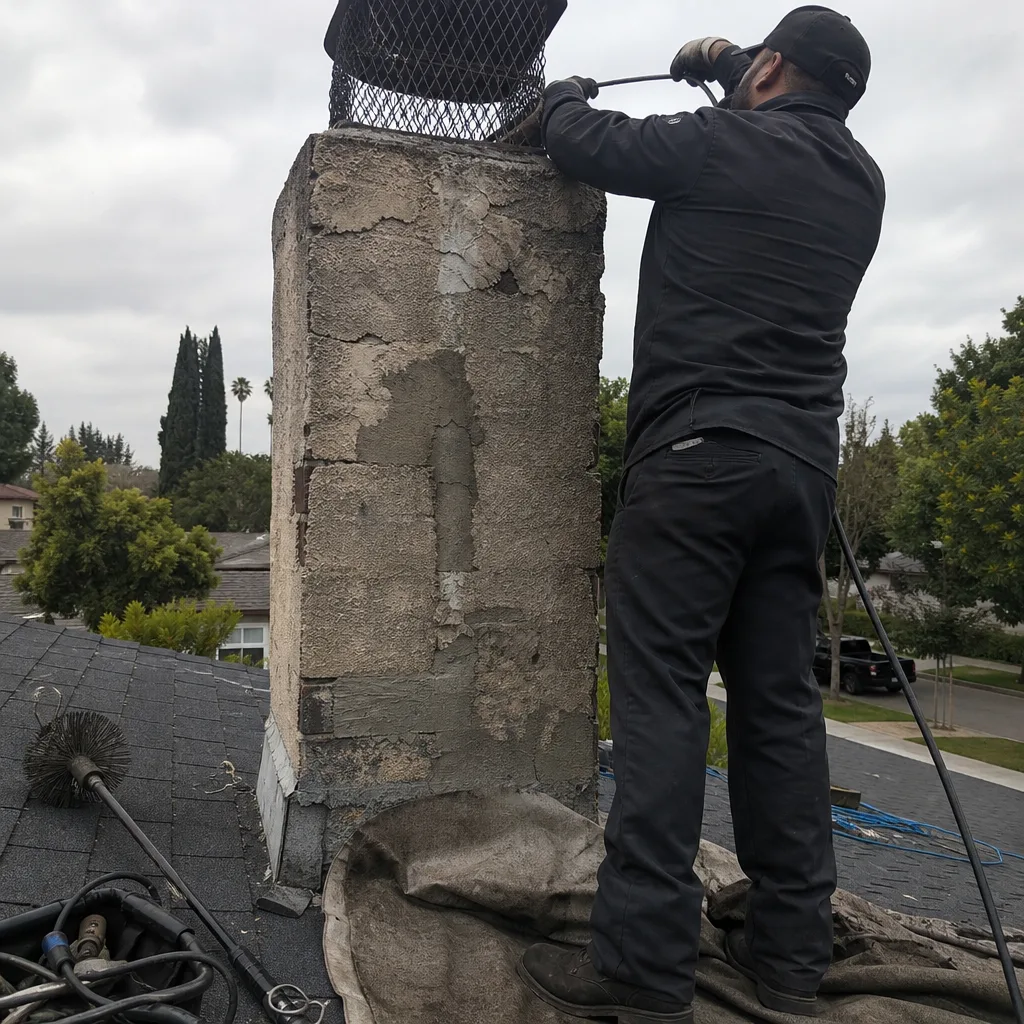 Before
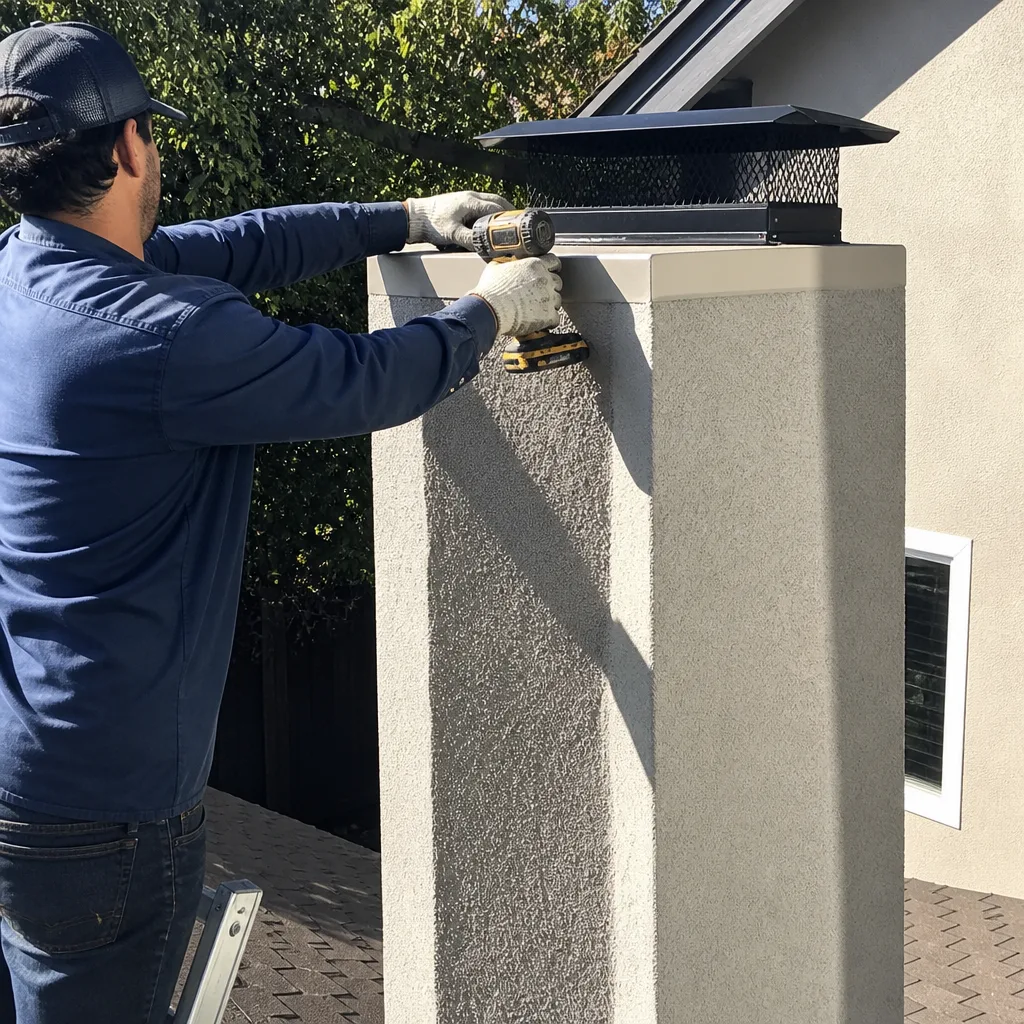 After
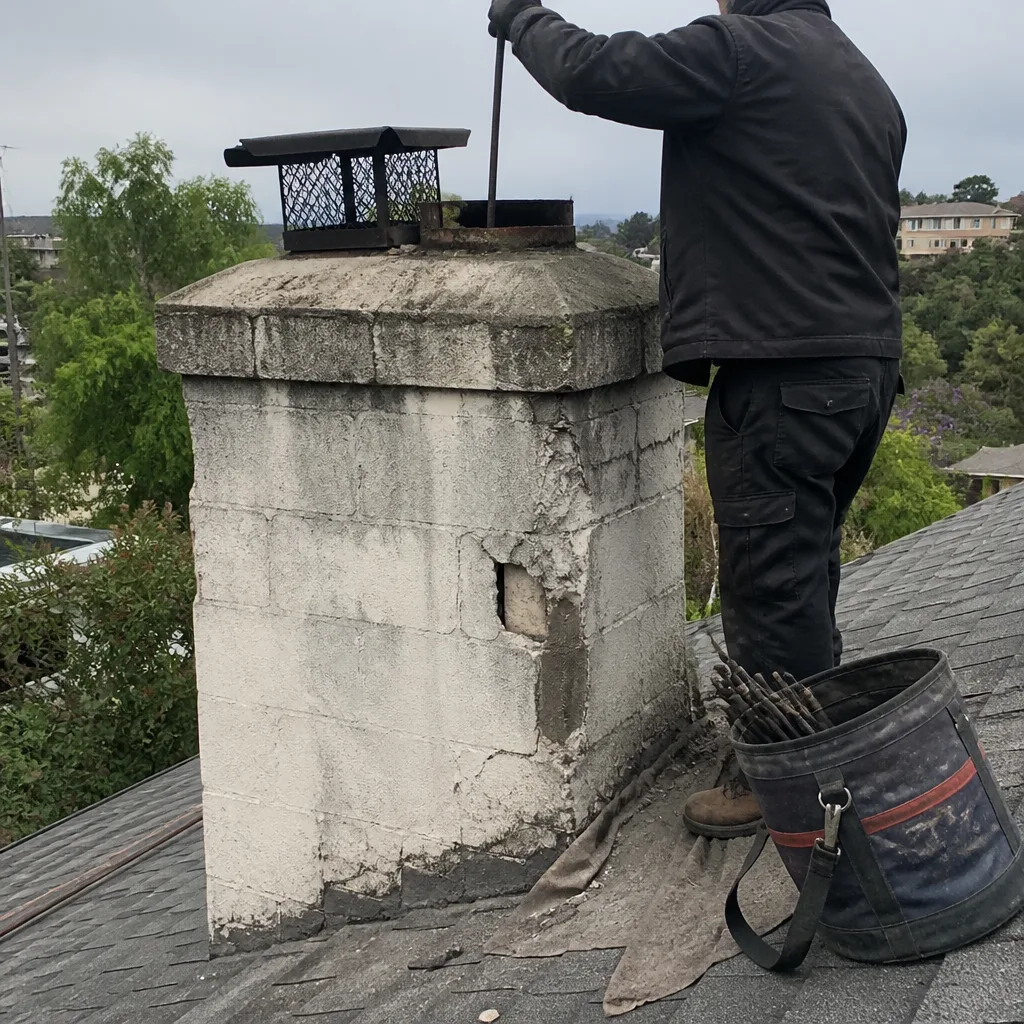 Before
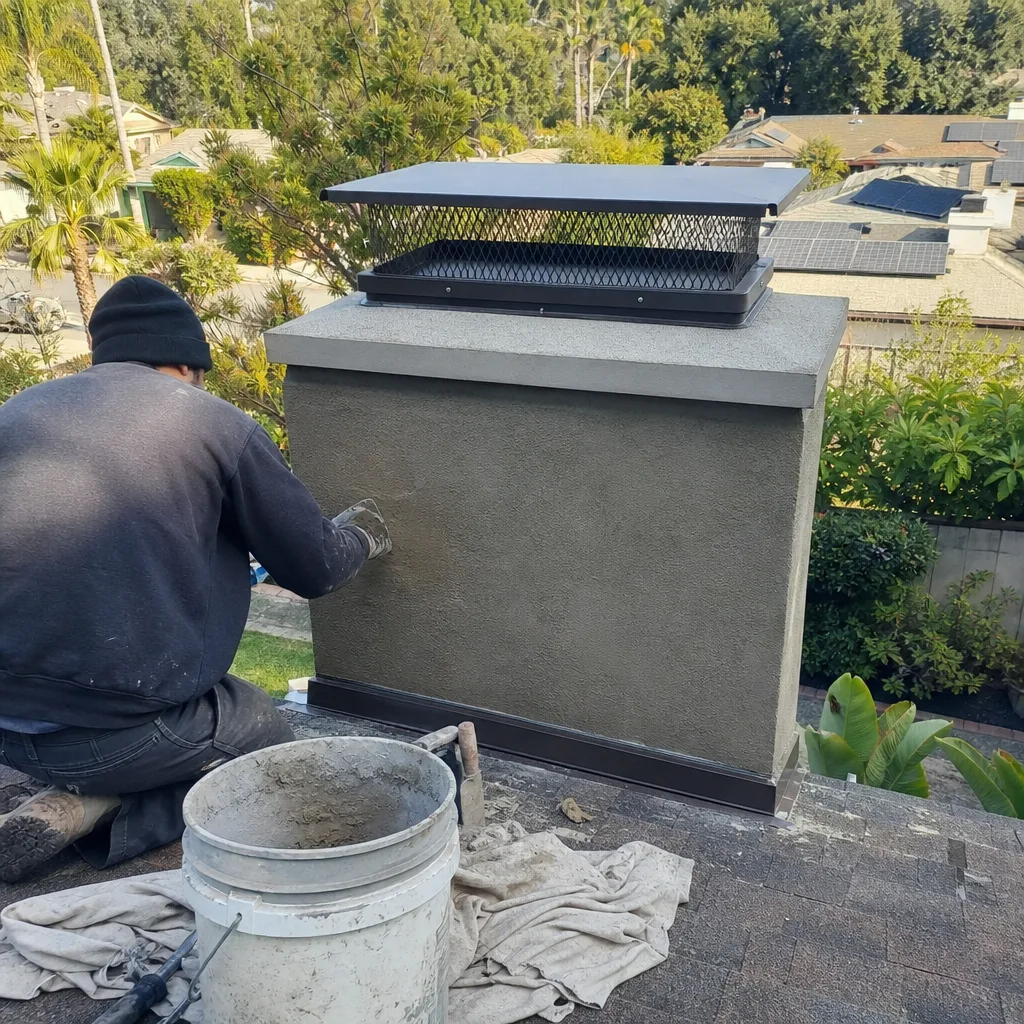 After
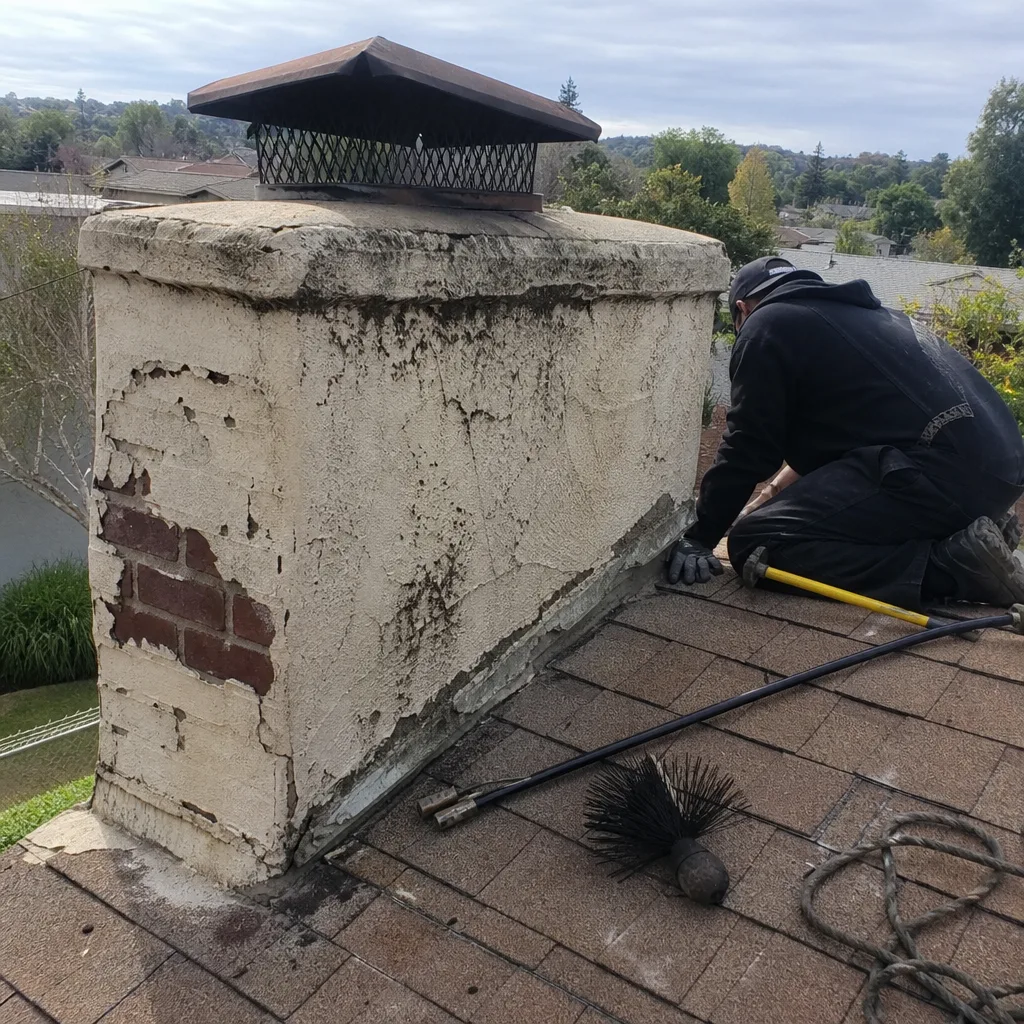 Before
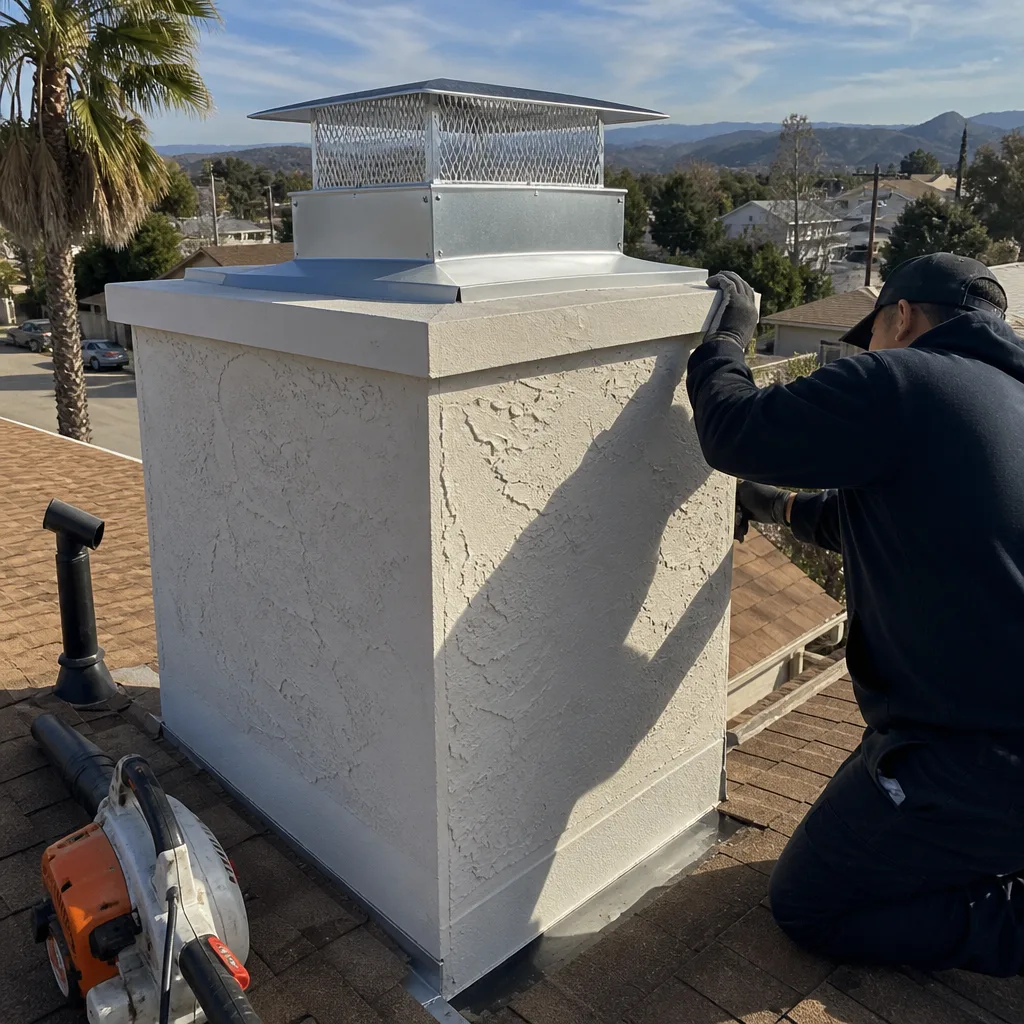 After