Last updated October 31, 2026
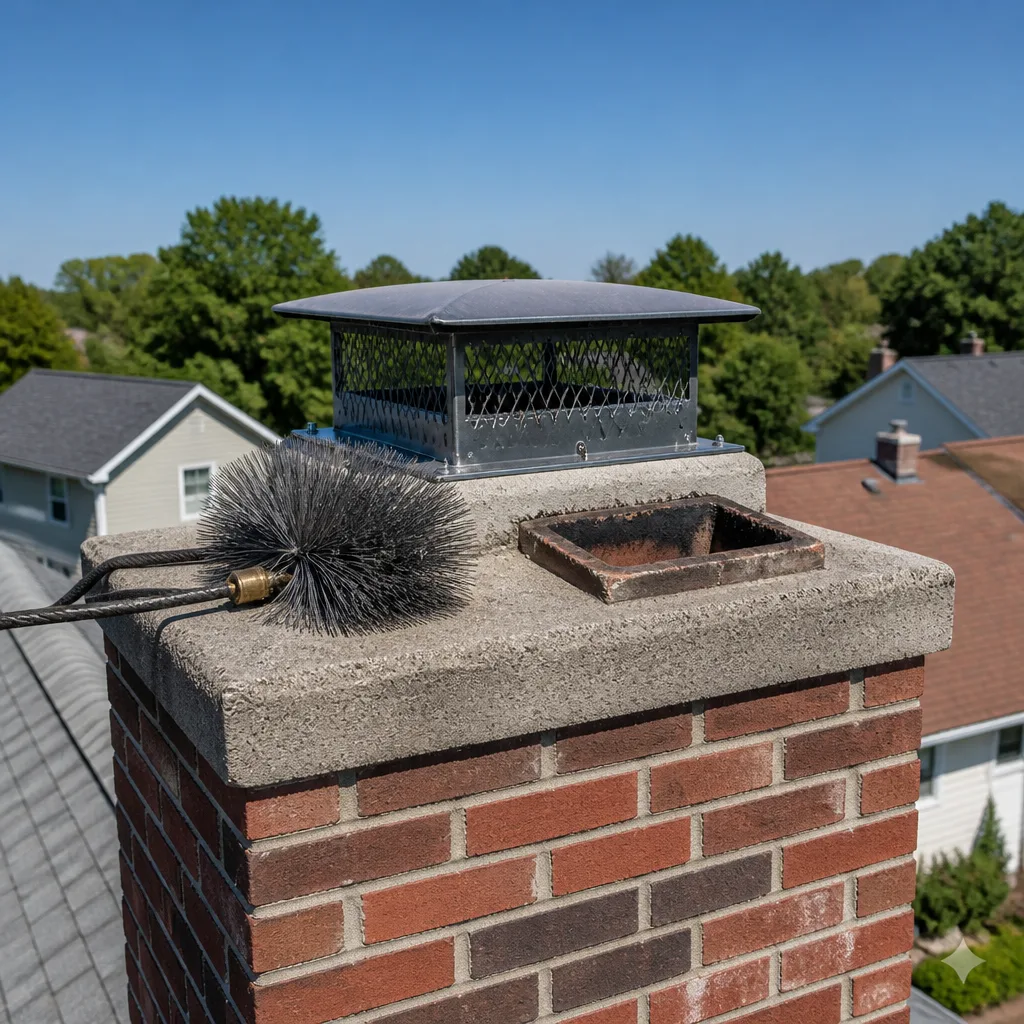 Sweep & inspection
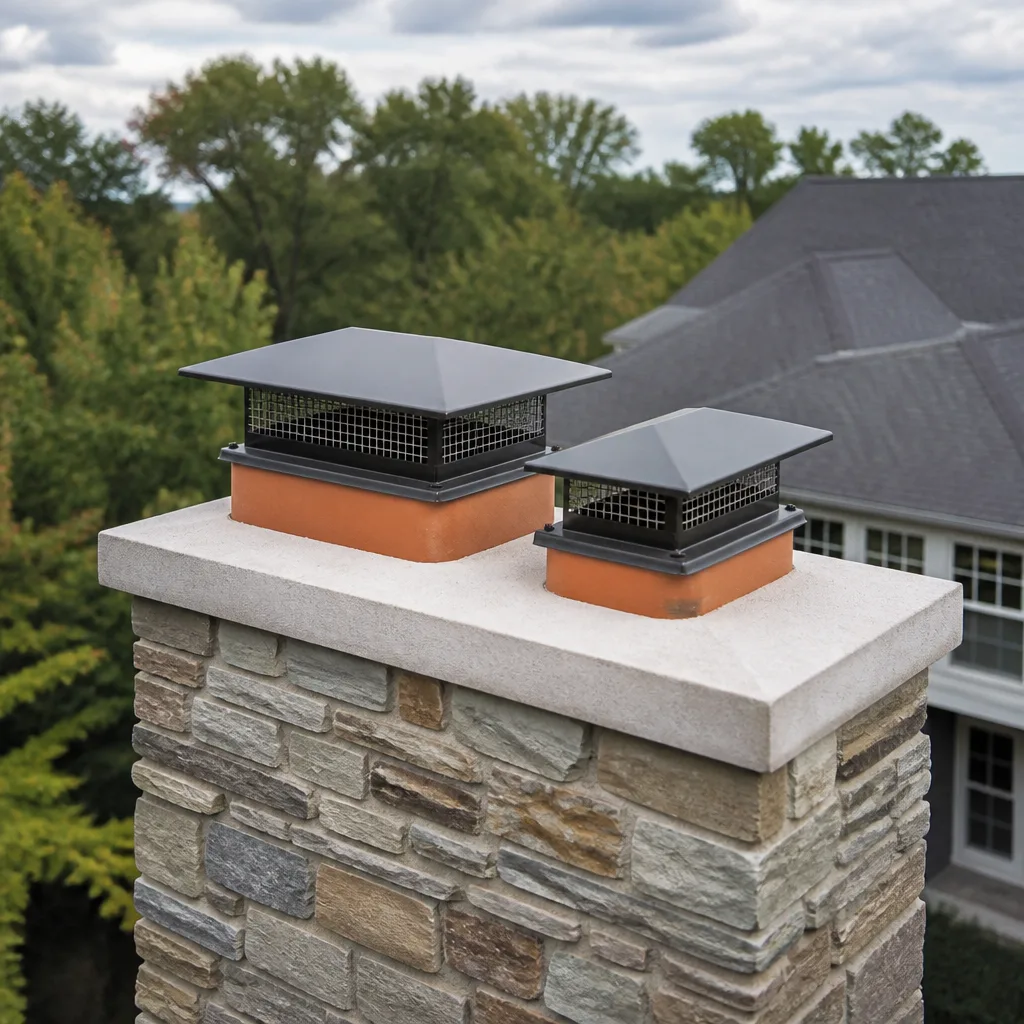 Caps & crowns
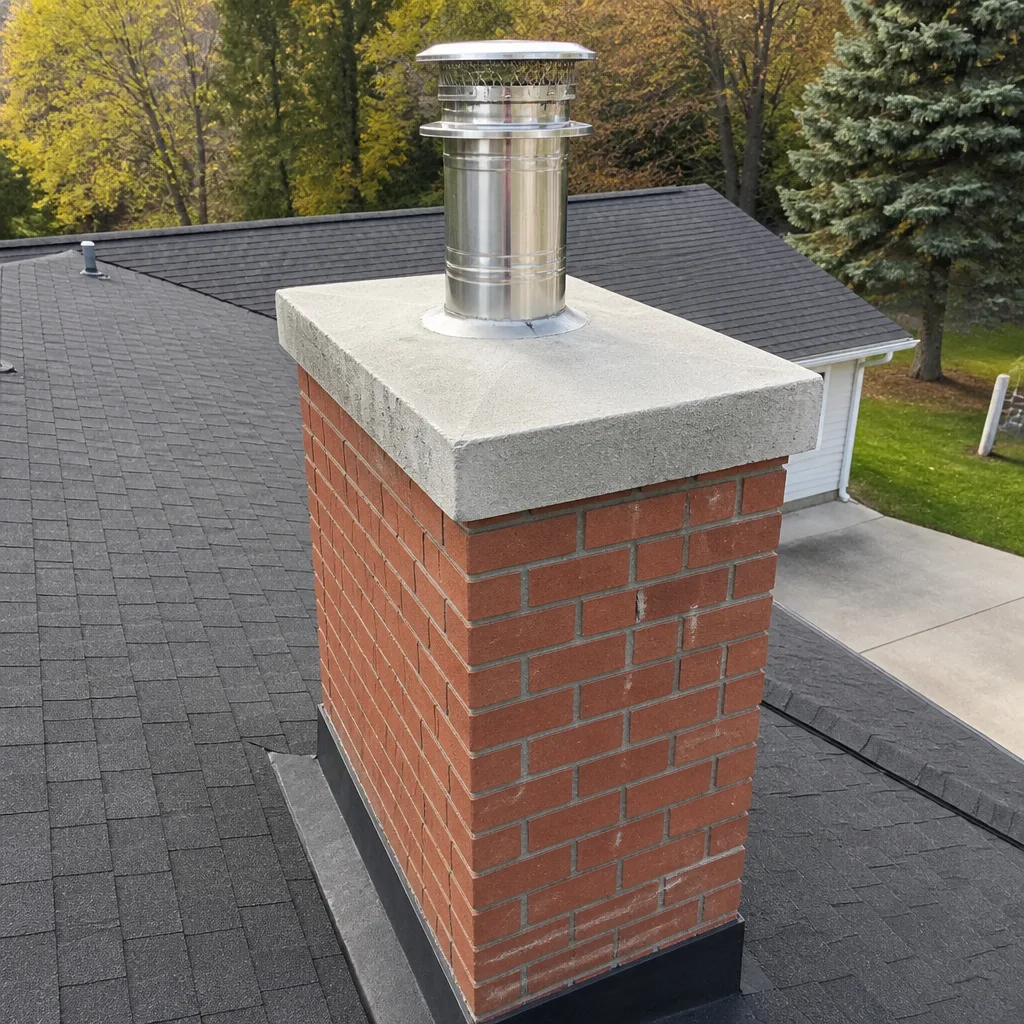 Flue relining
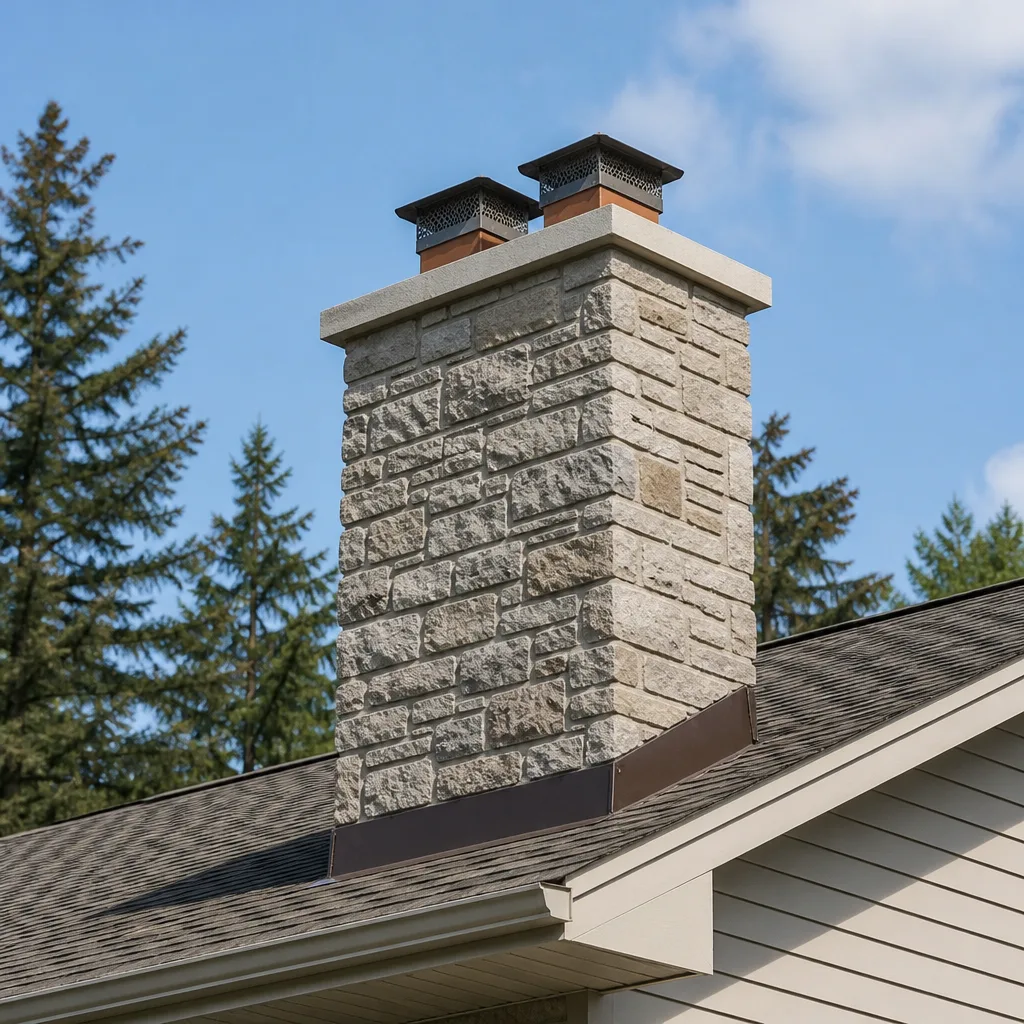 Masonry repair
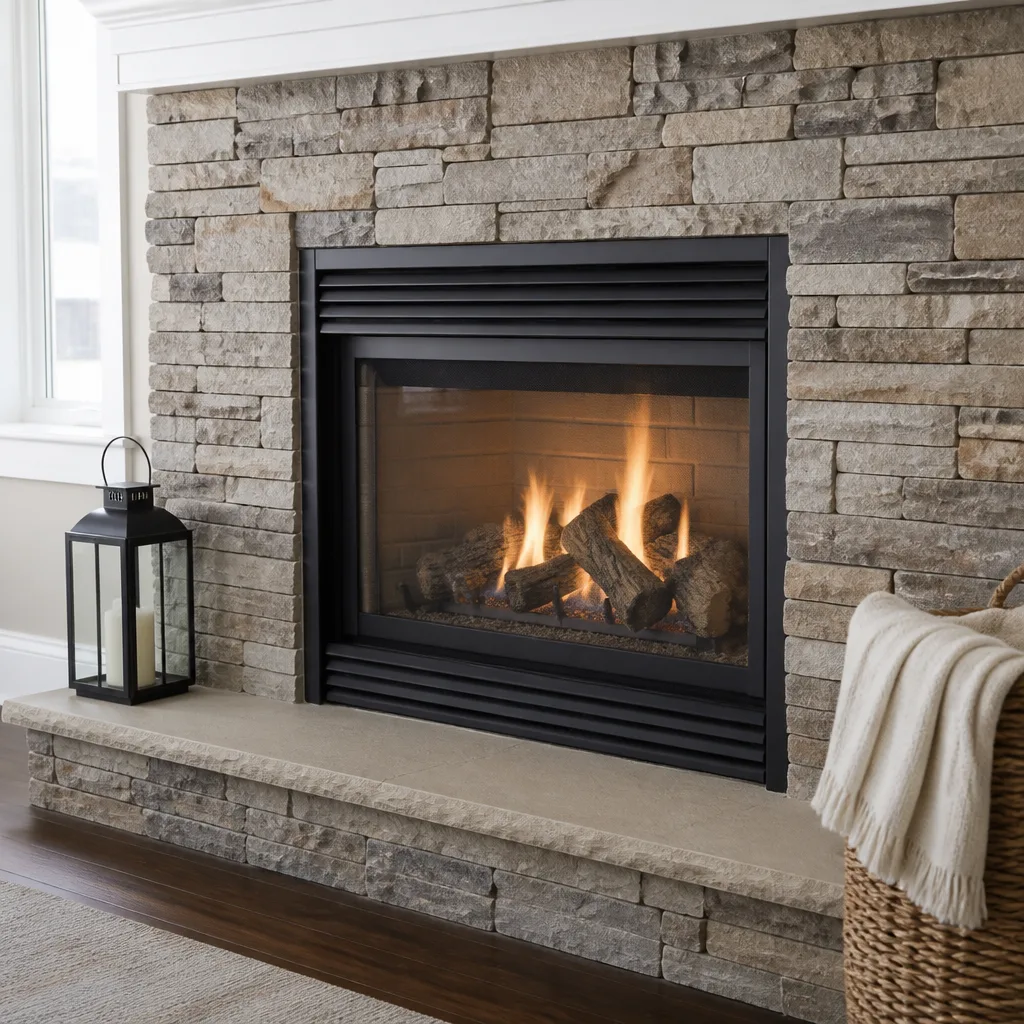 Gas fireplace service
Level 1 sweep and inspection to the NFPA 211 annual standard - flue, crown, cap, and flashing checked and photographed
Chimney sweep logs do not sweep chimneys. They loosen some creosote - which then falls where a brush and vacuum still have to collect it.
Chimney Cleaning Cost Breakdown: The Universal City Homeowner’s Reference for 2026
Here’s a number that catches most Universal City homeowners off guard: the gap between the cheapest chimney cleaning quote and the most expensive one isn’t markup. It’s scope. A $99 special gets you a brush through the flue. A $389 comprehensive service gets you a camera inspection, a documented liner assessment, a cap and crown evaluation, and a written report you can actually use to make decisions. The difference matters more in Universal City than in most markets, because our mild winters mean fireplaces get used intermittently, and intermittent use is exactly when creosote buildup and hidden liner damage get missed. This guide breaks down every line item, every method, and every upsell pattern you’re likely to encounter, so you can compare quotes that are actually comparable. For more guidance, see our Chimney Cleaning Warning Signs: A Universal City Homeowner’s Reference Guide.
Quick Answer
Chimney cleaning in Universal City, CA typically costs between $189 and $425 in 2026, with the price determined by flue configuration, access difficulty, cleaning method, and inspection depth. A basic brush-and-rod sweep on a single-story home with an open flue starts around $189, while a comprehensive camera-inspected cleaning with written documentation on a two-story home runs $300 to $425. Anything under $120 should be treated as a loss-leader intended to generate repair quotes, not a standalone service.
Styles & brands we work with
Table of Contents
- What Actually Drives Chimney Cleaning Prices in Universal City
- Line-Item Breakdown: What You’re Actually Paying For
- Cleaning Methods Compared: Rotary vs. Brush-and-Rod
- Inspection Tiers: Level 1, Level 2, and What You Need in 2026
- When Repair Quotes Are Legitimate (and When They’re Not)
- Why Materials Matter: Professional-Grade vs. Hardware-Store Patch Jobs
- Universal City-Specific Factors That Affect Your Quote
- How Often Should You Actually Clean Your Chimney Here?
What Actually Drives Chimney Cleaning Prices in Universal City
Most homeowners assume a chimney sweep is a chimney sweep: show up, run a brush, collect a check. That assumption is why two quotes for the same Universal City home can differ by $200 or more. The variables below are what a materials-literate sweep evaluates before quoting, and they explain most of the price spread you’ll see.
Access complexity is the first and often the biggest driver. A single-story ranch in the flats with a straightforward roof pitch and a ladder-friendly ridge is a fundamentally different job than a two-story mid-century with a steep roofline, dormers, or limited eave clearance. Two-story access requires taller ladders, more setup time, and often a second technician for safety. If your chimney exits through the upper roof plane rather than a lower section, expect to pay on the higher end of the range.
Flue configuration matters more than story height in some Universal City homes. An open masonry fireplace with a straight vertical flue is the cheapest to clean: direct access, no obstructions, predictable creosote patterns. But many Universal City homes, especially those built in the 1940s through 1960s, have chimneys serving both a fireplace and a furnace or water heater. Multiple flues in one chase, offsets in the flue path, or a connector between two appliances changes the cleaning geometry and adds time.
Liner type is the third variable. Older Universal City homes frequently have unlined masonry flues or original clay tile liners. Clay tile liners have joints that catch creosote differently than smooth stainless steel, and they require more careful brushing to avoid chipping deteriorated tiles. A home with a stainless steel liner, whether it’s a DuraFlex system or another professional-grade brand, generally cleans faster and with less risk, which can lower the quote.
Finally, there’s the scope of the inspection bundled with the cleaning. A sweep that includes a Level 2 camera inspection is going to charge more than one that does a visual-only Level 1 check. That’s not a ripoff. A camera can see what a flashlight cannot, and in a city where chimneys sit idle for months at a time between burn seasons, what the camera finds is often what prevents a chimney fire.
Line-Item Breakdown: What You’re Actually Paying For
When you get a quote from a Universal City chimney company, it should list line items. If it doesn’t, ask for one. Here’s what a legitimate, complete chimney cleaning service includes in 2026, with typical ranges for this market:
- Chimney sweep (labor): $120 to $250. This is the actual mechanical cleaning of the flue. It includes setup, floor and hearth protection, the cleaning itself, and cleanup.
- Chimney inspection (Level 1 or Level 2): $75 to $200. A Level 1 visual inspection is sometimes bundled free with a cleaning. A Level 2 camera inspection adds real cost because it adds real diagnostic value.
- Cap and crown assessment: $0 to $75. Reputable sweeps include a visual assessment of the chimney cap and crown as part of their standard service. If you’re charged separately for this, it should be clearly disclosed before the visit.
- Written report with photos: $0 to $50. Camera documentation of your flue condition is increasingly standard. If a company charges extra for this, confirm what you’re getting: a photo report you can keep, not just a verbal summary.
- Disposal and equipment fees: $0 to $40. Some companies fold this into the labor line; others separate it. It should be transparent either way.
- Access fees (two-story, steep roof, difficult setup): $25 to $100. This is legitimate when disclosed at the time of booking, not added at the door.
A complete Level 2 camera-inspected cleaning on a standard single-story Universal City home typically totals between $290 and $380. A two-story home with two flues or difficult roof access runs $350 to $450. When you see a quote that beats these numbers by a wide margin, something has been removed from the scope, whether it’s the inspection depth, the documentation, or the materials used.
For chimney cleaning in Universal City CA, the price you pay reflects more than sweep time. It reflects whether you’re getting an assessment that protects you. Our Chimney Sweep in Universal City service includes a camera inspection with every cleaning, because a cleaning without documentation doesn’t tell you what you actually need to know.
Cleaning Methods Compared: Rotary vs. Brush-and-Rod
There are two primary methods used to clean a chimney flue, and they produce different results for different conditions. Understanding the difference will help you evaluate why one Universal City company quotes more than another for what sounds like the same service.
Brush-and-rod cleaning is the traditional method. A wire or polypropylene brush sized to your flue is run up and down the flue on flexible rods, scrubbing creosote and soot from the walls. It’s effective for standard maintenance cleaning on chimneys with light to moderate creosote accumulation, especially when the flue is in good condition and the burn patterns are typical. It’s also the cheaper method, which is why it’s the default for low-price sweep specials.
Rotary mechanical cleaning uses a drill-powered system with spinning chains or whip heads that break apart hardened creosote, especially the glaze-like third-degree creosote that a standard brush simply cannot remove. Rotary systems are significantly more effective on chimneys with heavy buildup, which is common in Universal City homes where fireplaces are used sporadically and creosote has time to harden between fires. The added cost, typically $40 to $90 more than brush-and-rod, reflects the equipment and the additional time required to do the job properly.
Here’s what each method actually removes:
- Brush-and-rod removes: loose soot, first-degree creosote (dusty or flaky), light second-degree creosote (tar-like but still brushable), and surface debris.
- Rotary mechanical removes: all of the above, plus hardened second-degree creosote, most third-degree creosote (glazed, shiny, hardened), and buildup that has adhered to clay tile joints or liner surfaces.
If your Universal City home has an older clay tile liner or hasn’t been cleaned in three or more years, a rotary cleaning is often the difference between a flue that’s actually clean and one that still carries fire risk. A sweep that quotes brush-and-rod on a heavily glazed flue without mentioning the limitation is either not looking carefully or not being straight with you.
Inspection Tiers: Level 1, Level 2, and What You Need in 2026
Chimney inspections are categorized into three levels by the National Fire Protection Association, and the tier you need depends on your circumstances. Most Universal City homeowners should be getting a Level 2 inspection with their cleaning, not just a Level 1. Here’s the difference.
Level 1 inspection is a visual check of the readily accessible portions of the chimney. The sweep looks at the flue from the top and bottom, checks the firebox, damper, and visible exterior masonry. It’s appropriate when you’re having routine maintenance done and your chimney system hasn’t changed. It does not include camera scanning of the full flue interior.
Level 2 inspection adds video camera scanning of the entire flue, from firebox to cap. It’s required when you’re buying or selling a home, after a chimney fire, after a seismic event, or when you’ve changed the appliance venting into the chimney. It’s also what we recommend for any Universal City homeowner whose chimney hasn’t been camera-inspected in five years or more, as covered in our Chimney Cleaning Emergency Preparedness Guide for Universal City Homes. Universal City sits in a seismically active zone, and even minor movement can create cracks in clay tile liners that a visual check will miss.
Level 3 inspection involves removing portions of the chimney structure to access concealed areas. It’s rare for routine maintenance, but it’s sometimes necessary when a Level 2 inspection reveals a condition that can’t be diagnosed from the existing access points.
Here’s what you should expect in 2026:
- Any chimney cleaning that costs less than $150 almost certainly includes only a Level 1 visual check.
- A camera inspection is the single most valuable line item in any chimney service quote. It’s what turns a cleaning into an assessment.
- If you’re paying $300 or more for a cleaning in Universal City, a Level 2 camera inspection should be part of the service. If it isn’t, ask why.
- The camera report should be yours to keep, with photos or video of what the sweep found. Verbal summaries are not documentation.
When Repair Quotes Are Legitimate (and When They’re Not)
The $89 chimney cleaning special exists for one reason: to get a technician into your home. The revenue is in the repairs quoted on-site, often for conditions that a materials-literate inspector would have managed differently or less urgently. This is not to say every repair recommendation is an upsell. Many are legitimate. The skill is in telling the difference.
Legitimate repair findings are always supported by visual evidence you can see yourself. A camera inspection that shows cracked flue tiles, missing mortar joints, or a deteriorated chimney crown is evidence. The sweep should show you the footage, explain what you’re seeing, and tell you plainly what happens if you wait. A legitimate sweep will also tell you when something can wait. Not every crack is urgent. A good inspector distinguishes between a structural issue that needs immediate attention and a maintenance item that should be addressed within the next year or two.
Upsell patterns to watch for:
- The urgent liner replacement with no camera evidence. If a sweep recommends a $5,000+ liner replacement without showing you camera footage of the actual damage, get a second opinion. Legitimate liner replacement recommendations always come with visual documentation.
- The “dangerous creosote” claim without method specificity. If you’re told the creosote is dangerous and needs a pricey additive treatment, ask what level creosote you have and how it will be removed. A materials-literate sweep can tell you, specifically, what they’re seeing.
- The cap and crown upsell on a chimney that’s structurally sound. If the crown is cracking, that’s real. If the recommendation is phrased as “you should replace this before next winter” without photos showing why, ask for the photos.
- The smoke chamber parging quote timed with a cleaning. Smoke chamber parging is a legitimate repair, but it’s not an emergency. If it’s recommended during a routine cleaning, it should come with a clear explanation of severity and a written quote that doesn’t pressure an immediate decision.
When we perform a cleaning for a Universal City homeowner, we show the camera footage on site, explain what we’re seeing in plain terms, and tell you honestly what needs attention now, what can wait, and what’s fine as-is. If you want a second opinion on any recommended work, a reputable sweep won’t pressure you. For Chimney Repair in Universal City, we only recommend work after you’ve seen the evidence for yourself.
Why Materials Matter: Professional-Grade vs. Hardware-Store Patch Jobs
When a chimney needs repair work, the materials used determine how long the repair lasts. This is where most Universal City homeowners lose money without realizing it. A generalist contractor or a sweep who doesn’t maintain trade supply relationships will often use hardware-store products: generic refractory cement, standard caulk, and commodity cap components. These products work, briefly.
Professional-grade chimney supply brands exist because chimney systems have specific material demands. Creosote is acidic. Flue gases fluctuate between wet and dry, hot and cold. Expansion and contraction cycles are constant. A material that holds up in a bathroom remodel will not hold up inside a chimney flue.
HeatShield is the clearest example. It’s a ceramic-based resurfacing system designed specifically for repairing damaged chimney flues. Rather than removing and replacing a clay tile liner, a certified technician applies HeatShield to the flue walls, restoring a smooth, insulated, durable surface. It’s a specialist solution that most sweep companies don’t carry and are not trained to apply. It costs more upfront than a bucket of refractory cement. It also lasts for years rather than months, and it’s the kind of repair you’ll only hear about from a sweep with professional-grade supply access.
DuraFlex is the other name worth knowing. It’s a flexible stainless steel liner system used for full relines and for lining chimneys that vent gas appliances. When a Universal City home has an unlined masonry chimney or a deteriorating clay tile liner, a DuraFlex reline restores the chimney to a safe, code-compliant condition. The material is specified by certified sweep associations precisely because it’s engineered for chimney conditions, not improvised from generic parts. A company that installs DuraFlex liners is a company that can handle a reline from start to finish, rather than referring you to a third party.
The material difference shows up in the price, and the price difference is real: a HeatShield resurfacing or a DuraFlex reline costs more than a quick patch. But the patch fails, and the professional system doesn’t. When you’re comparing repair quotes in Universal City, ask what materials will be used. “Professional-grade products” should mean HeatShield, DuraFlex, Olympia Chimney, or Gelco product lines, not whatever was on the shelf at the home center.
Universal City-Specific Factors That Affect Your Quote
Universal City has a few characteristics that affect chimney conditions and pricing differently than other LA-area markets. Understanding these will help you evaluate whether a quote is appropriate for your specific situation.
Our climate is the biggest factor. Universal City gets cool enough in winter that fireplaces are used, but the burn season is shorter and less intense than in colder regions. That intermittent use pattern means creosote doesn’t accumulate as quickly as it does in a Vermont chimney, but it also means the creosote that does form sits for months at a time. Sitting creosote hardens. Hardened creosote requires rotary mechanical cleaning, not basic brushing. This is why a Universal City sweep may quote rotary cleaning more often than a sweep in a colder climate would.
Home age is the second factor. Much of Universal City’s housing stock dates to the post-war boom and the mid-century expansion. Those homes were built with clay tile chimney liners, and clay tile liners are now 60 to 80 years old. Clay liners crack. They crack from seismic movement, from thermal stress, and simply from age. A chimney cleaning on an original clay liner is more than a cleaning: it’s a condition assessment for a liner that’s likely near the end of its service life. That assessment has value, and it should be reflected in a thorough inspection.
Seismic exposure matters. Universal City sits in a seismically active corridor, and even minor ground movement can shift chimney structures. If you haven’t had a camera inspection since the last significant earthquake you felt, it’s worth getting one. A Level 2 inspection costs more than a visual check, but it’s the only way to see what shifted.
Roof access varies across the city. Single-story homes in the flatter sections are straightforward ladder jobs. Homes in the hillier pockets or with steep rooflines require more setup and more safety equipment. This isn’t a Universal City-specific problem, but it’s more common here than in flat suburban markets, and it shows up in quotes as access fees.
Gas appliance venting is also common here. Many Universal City homes have gas furnaces or water heaters vented through masonry chimneys. When gas appliances vent through a chimney, the inspection scope changes: you’re checking for corrosion from acidic condensate, not just creosote. A sweep who understands gas venting conditions will quote differently than one who treats every chimney as a wood-burning fireplace. Our service area includes homes with both configurations, and we quote based on what’s actually venting through your flue.
How Often Should You Actually Clean Your Chimney Here?
The standard answer from the National Fire Protection Association is once per year. That’s the right answer for most Universal City homeowners, but with a nuance worth understanding. Annual cleaning isn’t about the volume of creosote buildup in our climate; it’s about ensuring that whatever has accumulated gets removed before it hardens, and that your liner condition gets checked on a regular cycle.
Here’s the practical frequency guidance for Universal City:
- Weekly or regular fireplace users during winter: Annual cleaning, ideally in late summer or early fall before the burn season starts. This ensures you start the season with a clean flue and a fresh inspection.
- Occasional users (a few fires per month during winter): Annual cleaning is still recommended. Intermittent use creates the hardening pattern described above, and annual service prevents it from progressing.
- Rare users (a few fires per year or a gas log set): Every 12 to 18 months. Even infrequent use deposits creosote, and the inspection is still the primary value: you’re looking for liner deterioration, cap damage, and water intrusion.
- Gas-only appliance venting (no fireplace use): Annual inspection with cleaning as needed. Gas appliance venting doesn’t create creosote, but it does create acidic condensate that corrodes liners. This condition needs regular monitoring.
If you’re unsure when your Universal City chimney was last cleaned, the answer is to schedule a service now. The cost of a cleaning is a fraction of the cost of the repairs that get worse when a chimney sits unmaintained. Causeway Chimney Sweep home is your starting point for scheduling and service details. If your dryer vent hasn’t been cleaned in the last year either, ask about bundling: we handle Dryer Vent Cleaning in Universal City as a core service, not an afterthought, because your dryer vent is a venting system with the same safety stakes as your chimney.
Common Mistakes to Avoid
- Choosing a quote based on price alone. The cheapest Universal City chimney cleaning is almost always the one with the least scope. You’re not comparing the same service, so you’re not actually saving money; you’re buying less protection.
- Skipping the camera inspection to save $75. The camera is what finds the cracked liner, the hidden creosote, and the failed mortar joint. Without it, you’re paying for the appearance of maintenance without the diagnostic value.
- Accepting a repair recommendation without seeing the evidence. If a sweep tells you the liner needs replacing but doesn’t show you camera footage, you have no way to verify the claim. A legitimate recommendation always comes with visual proof.
- Waiting until fall to schedule. Universal City sweeps book up in September and October. Schedule in late summer and you’ll have more flexibility and avoid the seasonal rush.
- Hiring a generalist handyman for a chimney cleaning. A handyman with a brush is not a chimney technician. The assessment portion of the service, which is where the real value lives, requires training in combustion systems and liner conditions.
- Ignoring dryer venting because it’s “not the chimney.” Dryer vents are a documented home fire hazard, and they share the same ventilation principles as chimneys. If you’re having one venting system serviced, have the other assessed too.
- Assuming an old chimney doesn’t need maintenance because it’s “been fine for years.” “Been fine” is the most expensive phrase in home maintenance. Chimney conditions deteriorate gradually, and by the time a problem is visible from outside, it’s usually past the point of simple repair.
See the difference
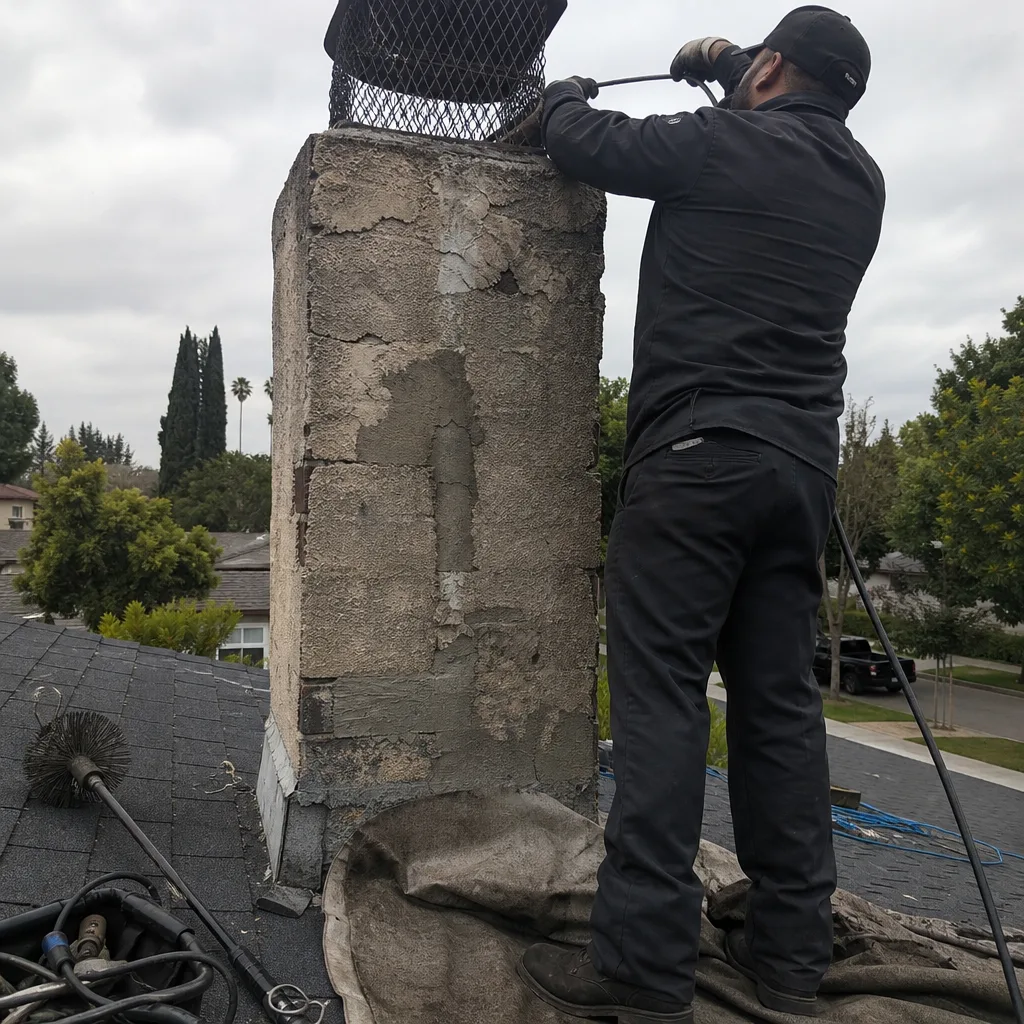 Before
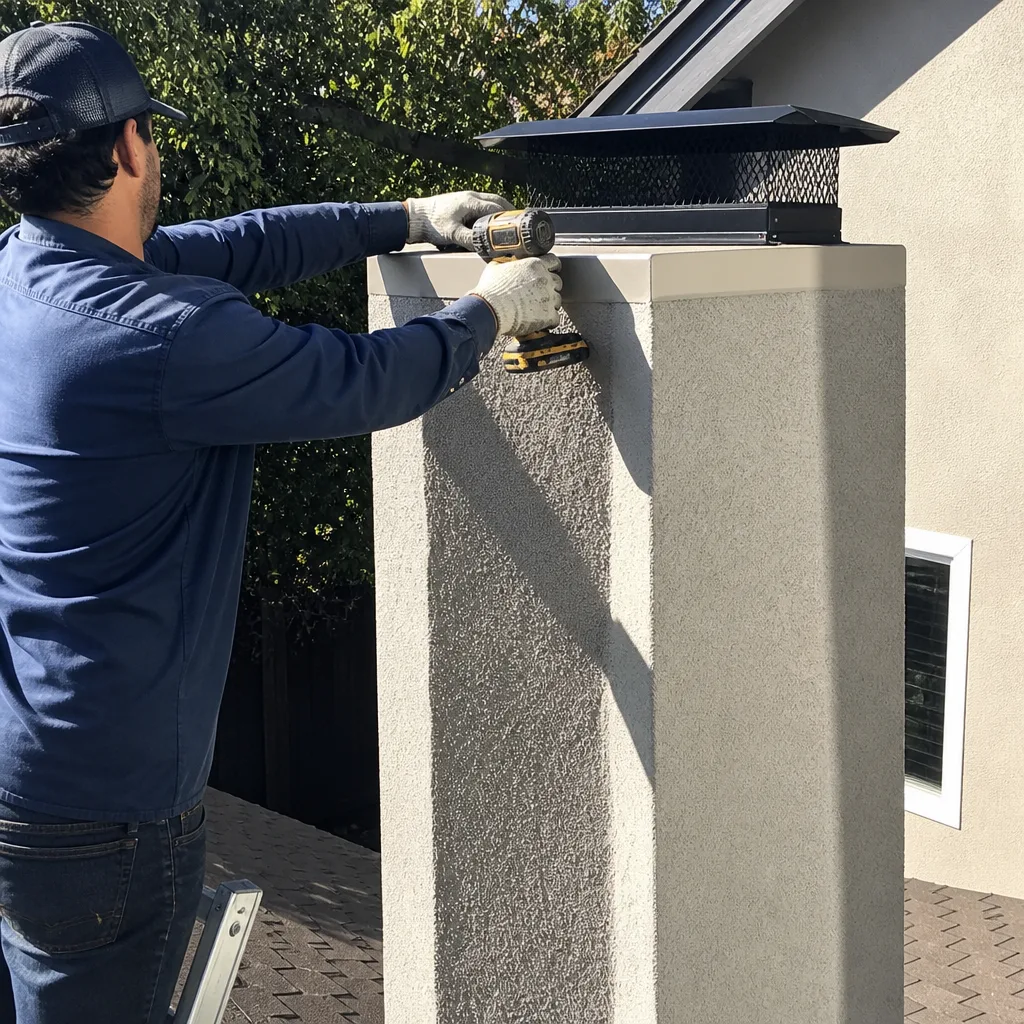 After
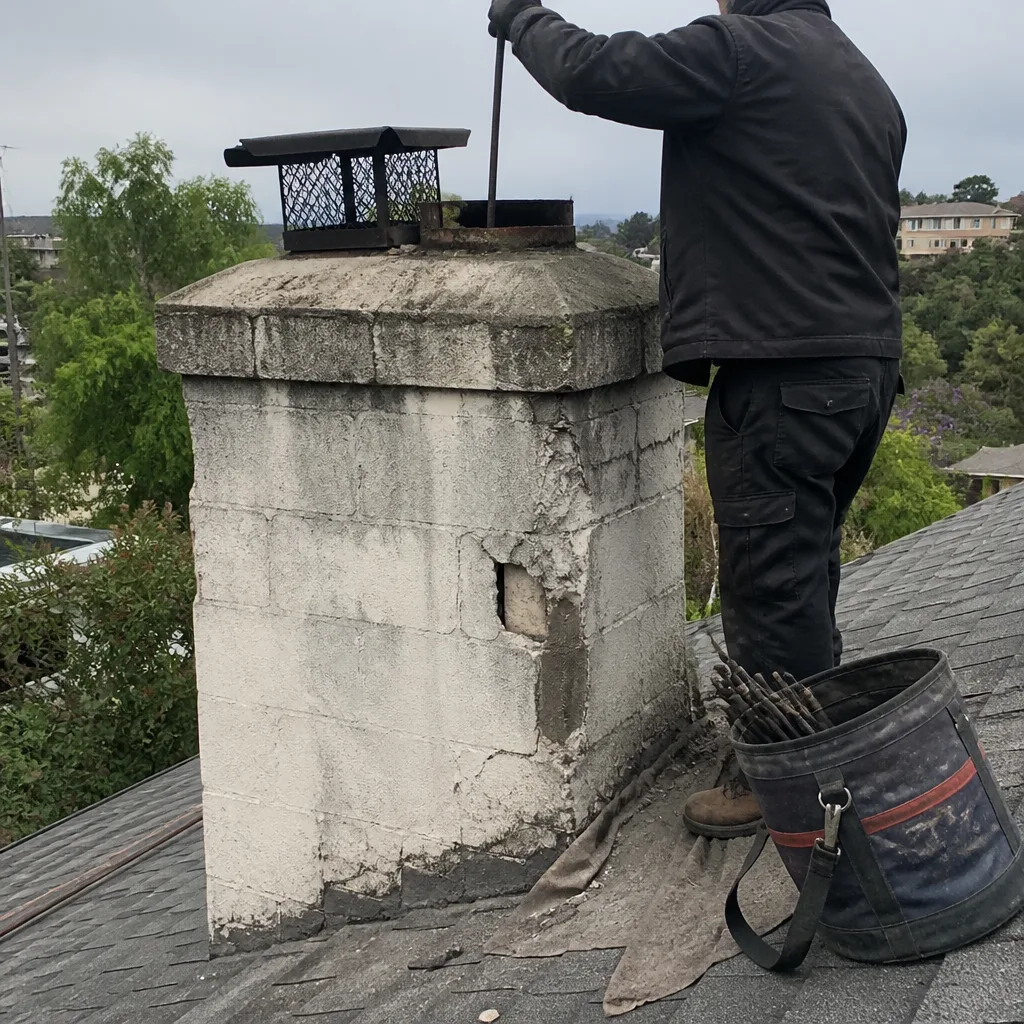 Before
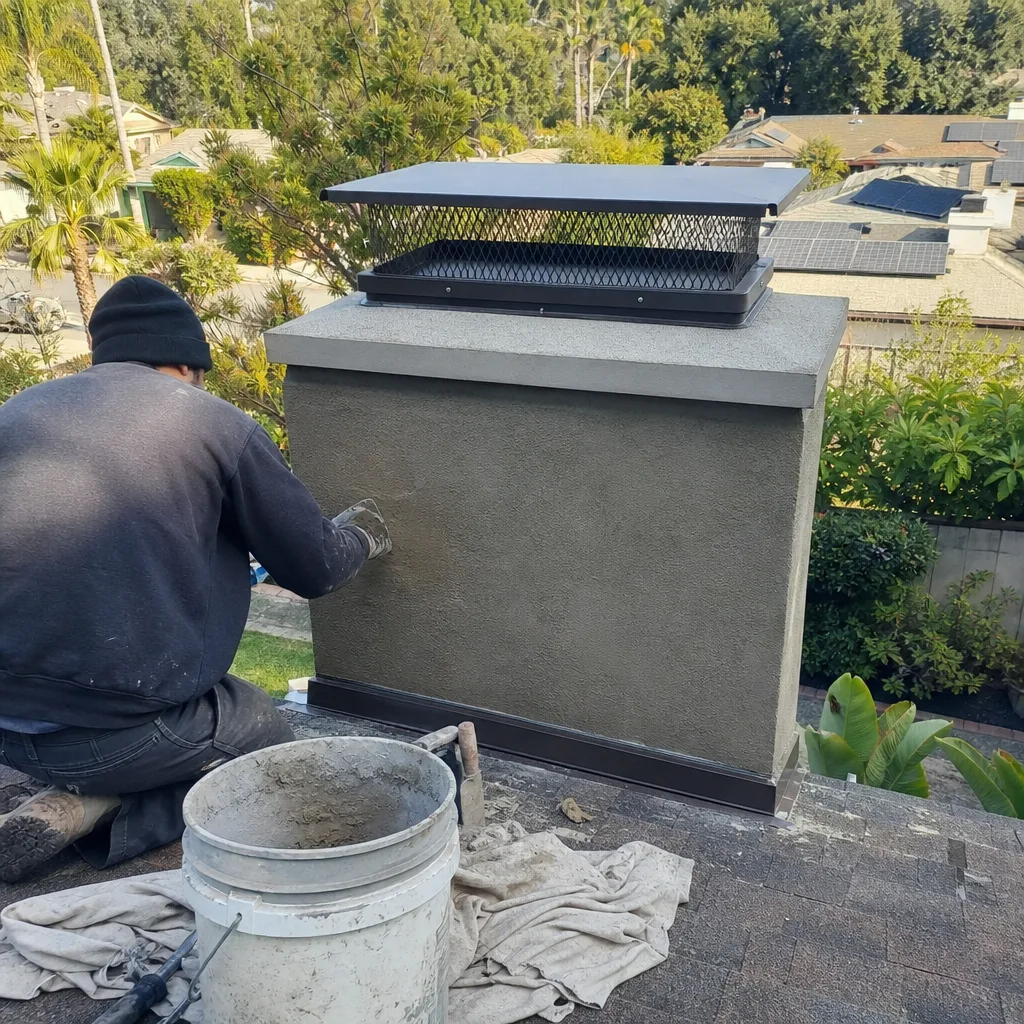 After
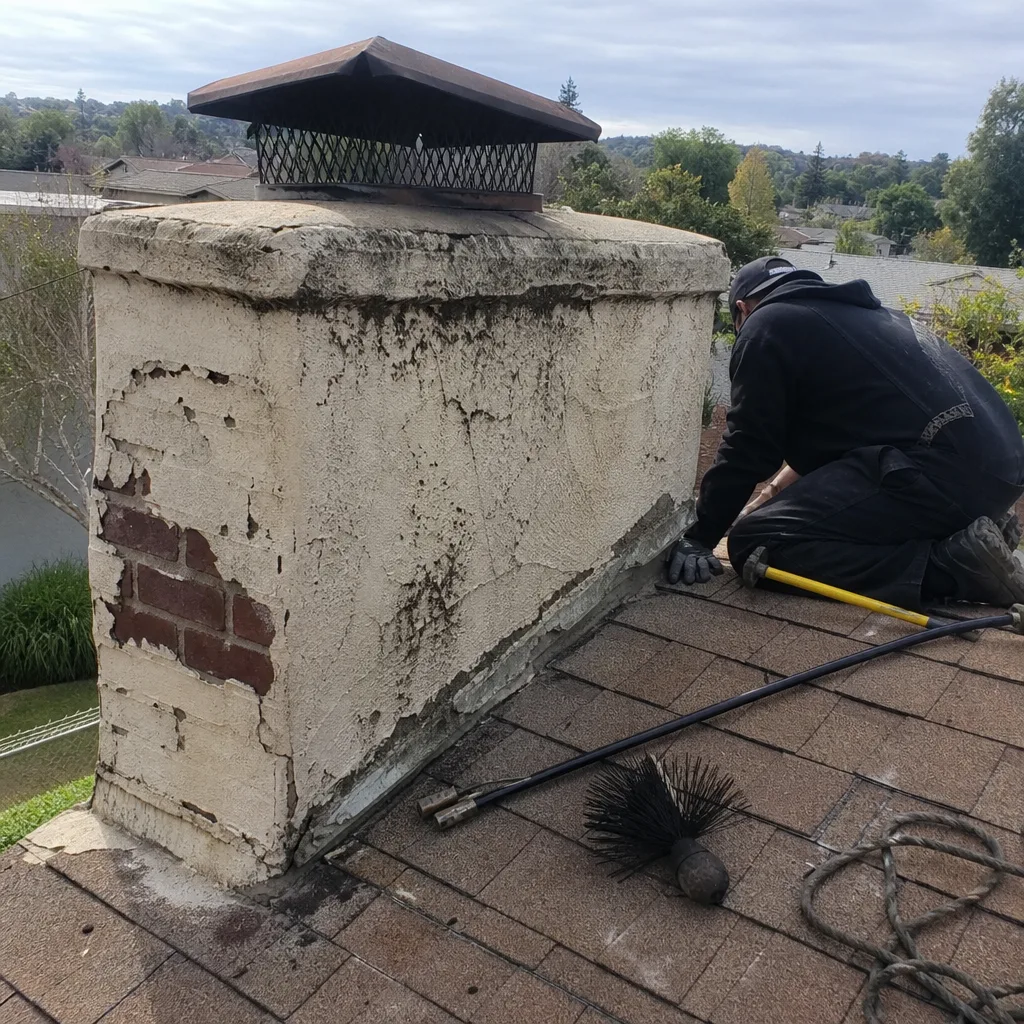 Before
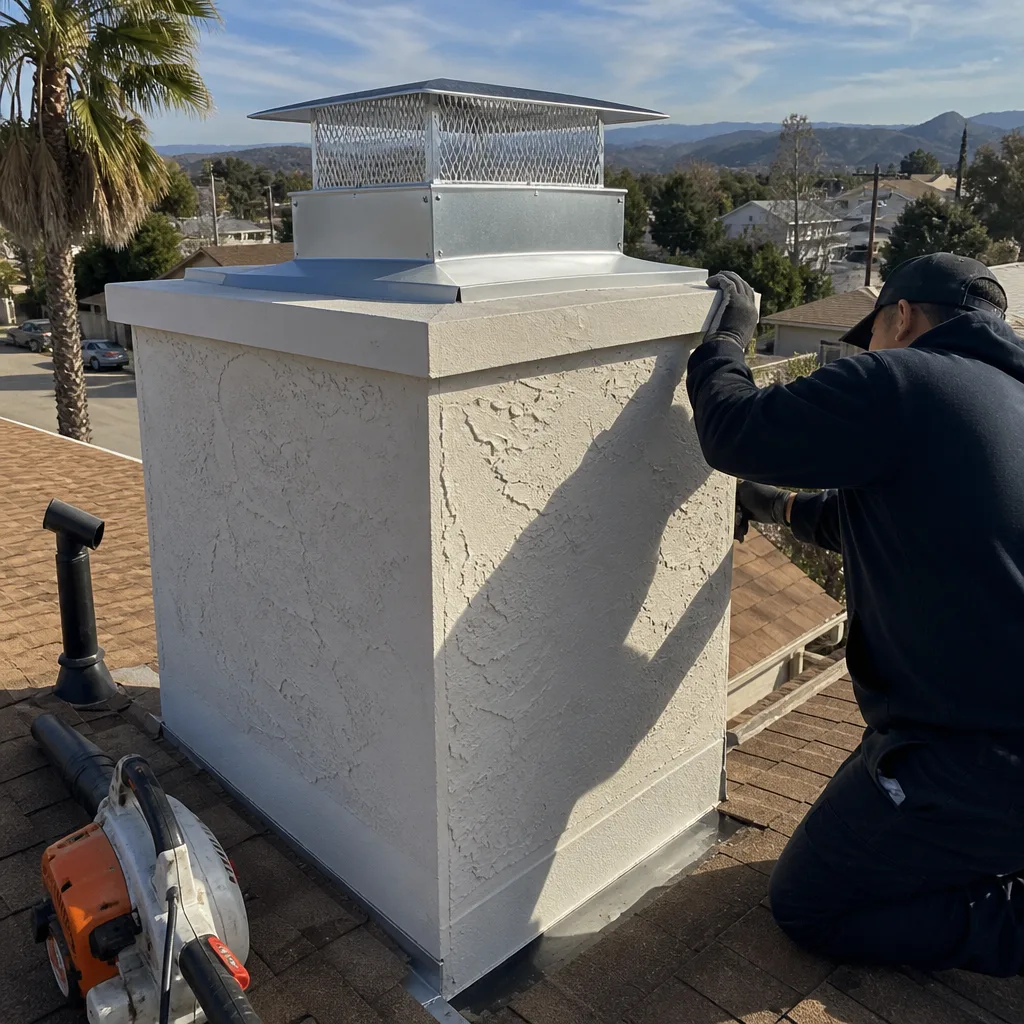 After
When to Call a Professional
Chimney cleaning is not a DIY project, and in Universal City, where roof access can be treacherous and flue conditions vary widely, it’s particularly unwise to attempt it yourself. Call a professional when you notice any of these conditions: a strong smokey smell in the house even when the fireplace isn’t in use, visible soot or staining around the fireplace opening, difficulty getting a fire to draw properly, a chimney that hasn’t been cleaned in two or more years, or any signs of water staining on the ceiling near the chimney chase. If you’re buying or selling a Universal City home, a Level 2 camera inspection should be part of your due diligence. Causeway Chimney Sweep offers free estimates in Universal City. Call (877) 500-2276 to schedule a cleaning and camera inspection.
Frequently Asked Questions
A chimney sweep in Universal City typically costs between $189 and $425 in 2026, with most homeowners paying $250 to $350 for a complete cleaning with a camera inspection. Call (877) 500-2276 for a specific quote for your home, estimates are free.
A $99 chimney cleaning special is a legitimate service, but it’s a loss-leader priced to get a technician into your home, and it almost always includes only a basic brush cleaning with no camera inspection and no documentation. The business model depends on finding repair work during the visit, which is not inherently dishonest but does mean you’re getting a partial service, not a comprehensive assessment.
A chimney in Southern California should be cleaned once per year for regular users, and at least every 12 to 18 months for occasional users, because creosote hardens during long idle periods and becomes more difficult to remove. Gas-only chimneys still need annual inspection for liner corrosion.
Yes, a camera inspection is the single most valuable part of a chimney service because it’s the only way to see liner cracks, hidden creosote, and other conditions that a visual check misses, especially in older Universal City homes with clay tile liners.
A chimney sweep is the mechanical cleaning of the flue, while a chimney inspection is the assessment of the system’s condition, and in 2026 these are usually bundled together, with the inspection depth ranging from a basic visual check to a full camera scan.
Cleaning your own chimney is not recommended because proper cleaning requires specialized equipment and training, and DIY attempts often miss liner damage or create new problems, especially on the multi-story and steep roofs common in Universal City.
The Bottom Line
Chimney cleaning pricing in Universal City is a scope question, not a markup question. A $189 brush cleaning and a $389 camera-inspected assessment are different services sold under the same name. The assessment is what protects you: it documents liner condition, identifies creosote levels accurately, and gives you a written record you can use to make repair decisions without pressure. When repair work is needed, the materials matter as much as the labor: professional-grade systems like DuraFlex and HeatShield cost more upfront and last years longer than generic patches. Your chimney is a combustion venting system that operates under fire, heat, and acidic conditions. Treat it like one, and compare quotes by what’s actually included, not by the price on the line. Browse our more guides & resources for additional homeowner tips.
Written by the team at Causeway Chimney Sweep, serving Universal City since 2015.