
Last updated October 31, 2026
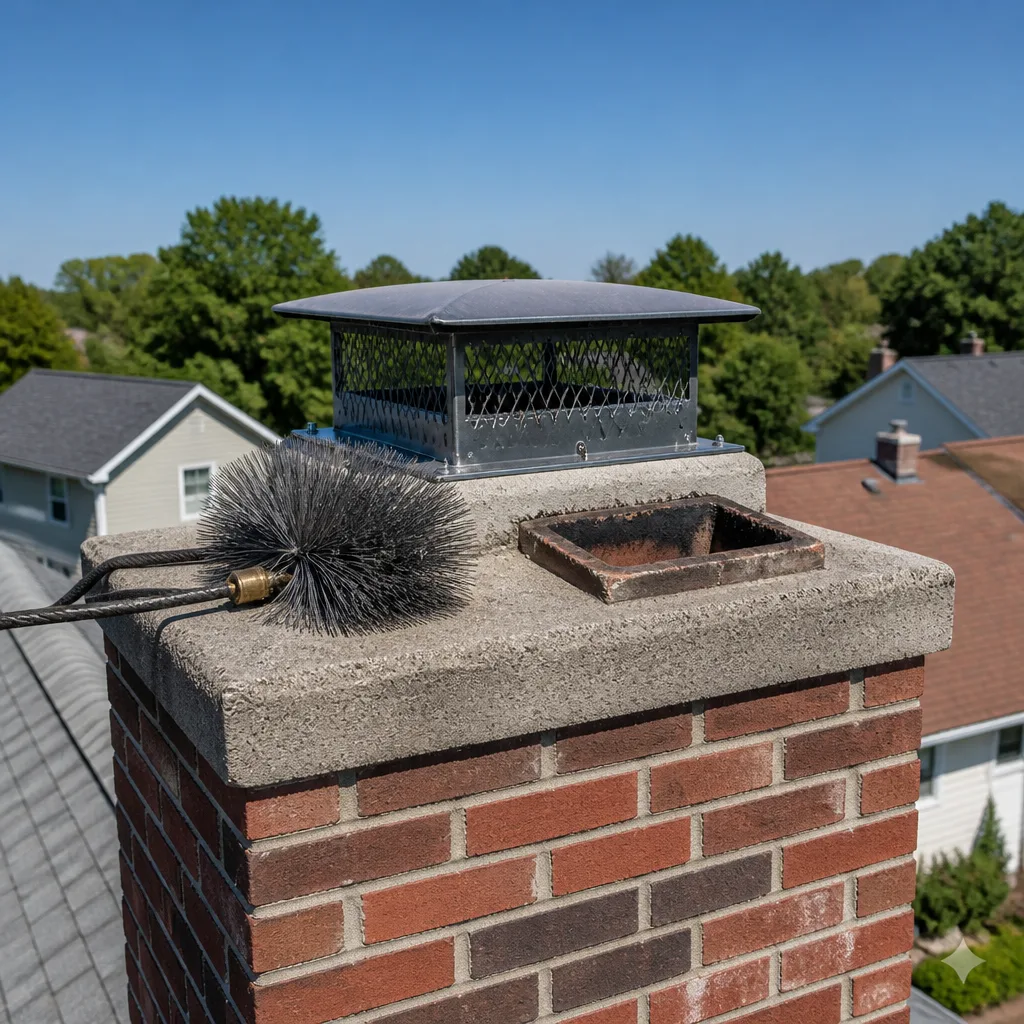 Sweep & inspection
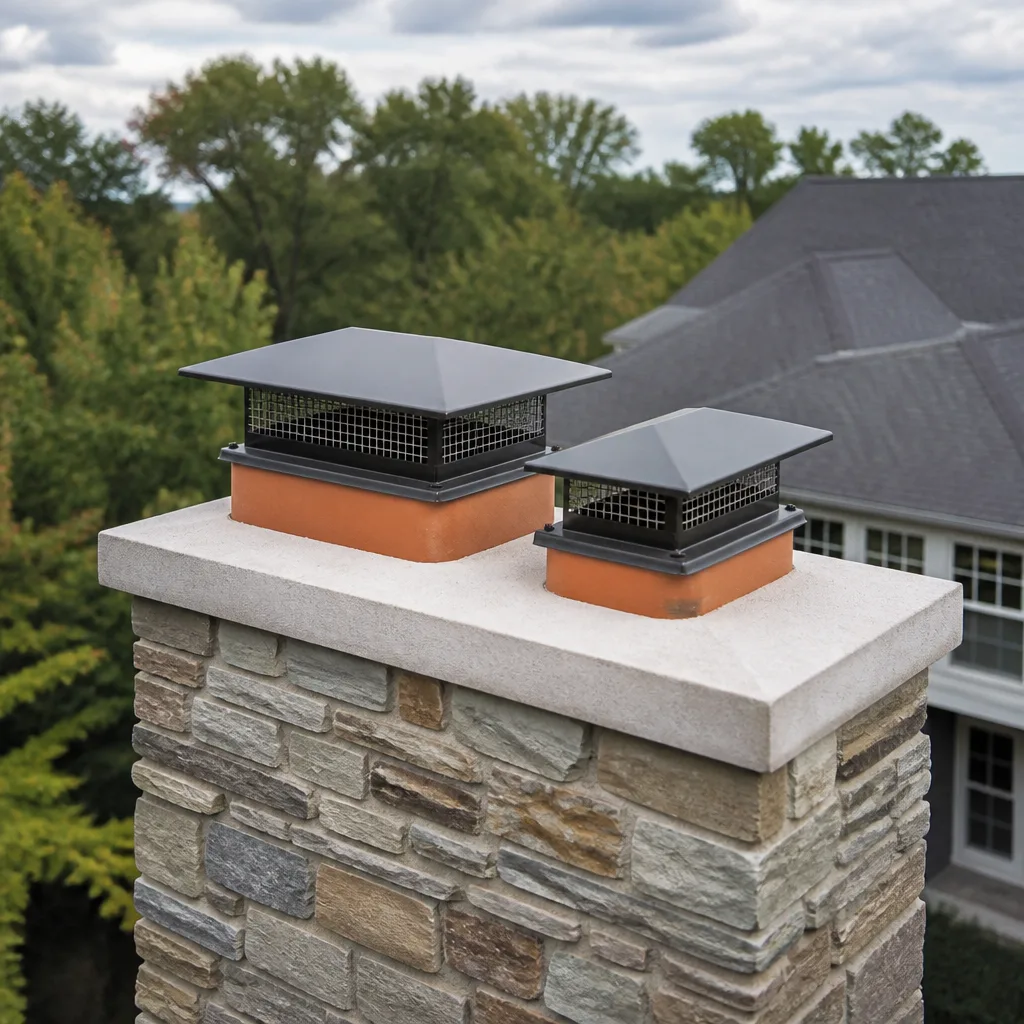 Caps & crowns
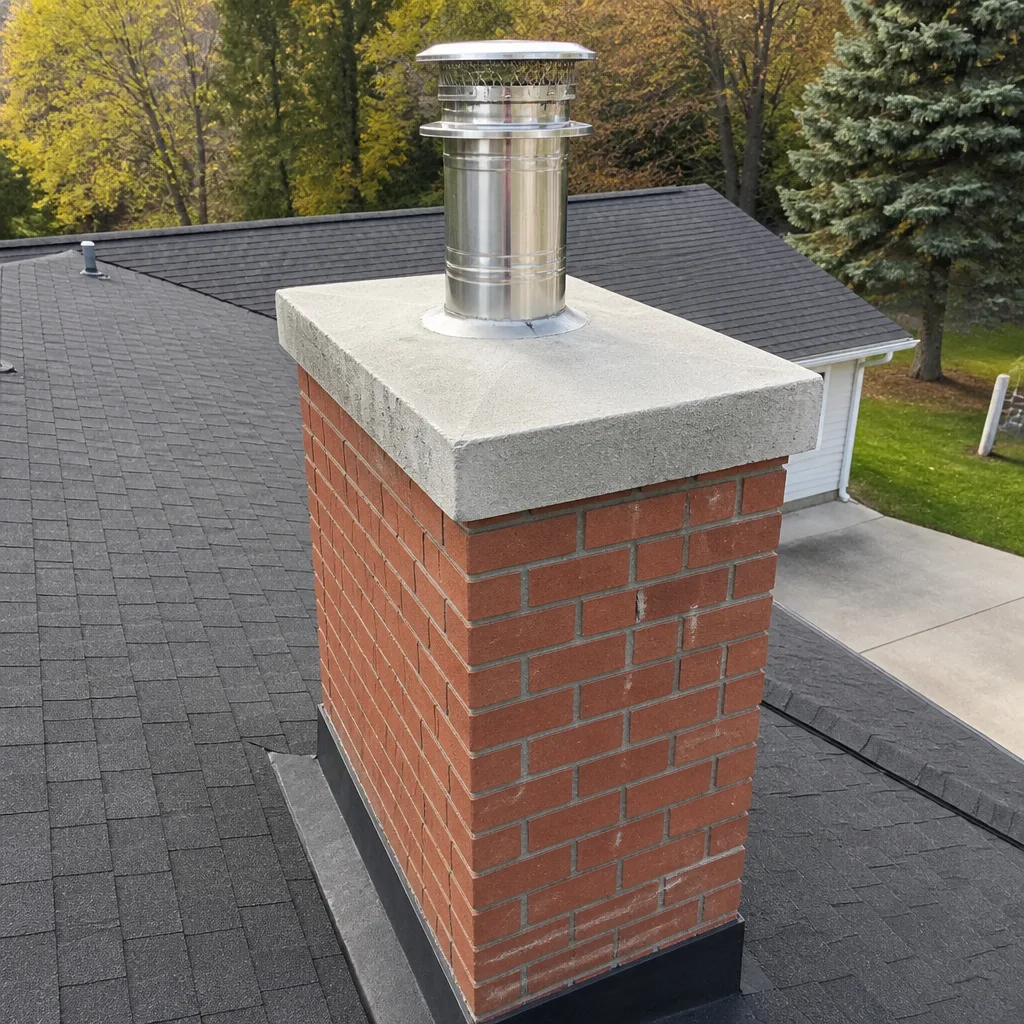 Flue relining
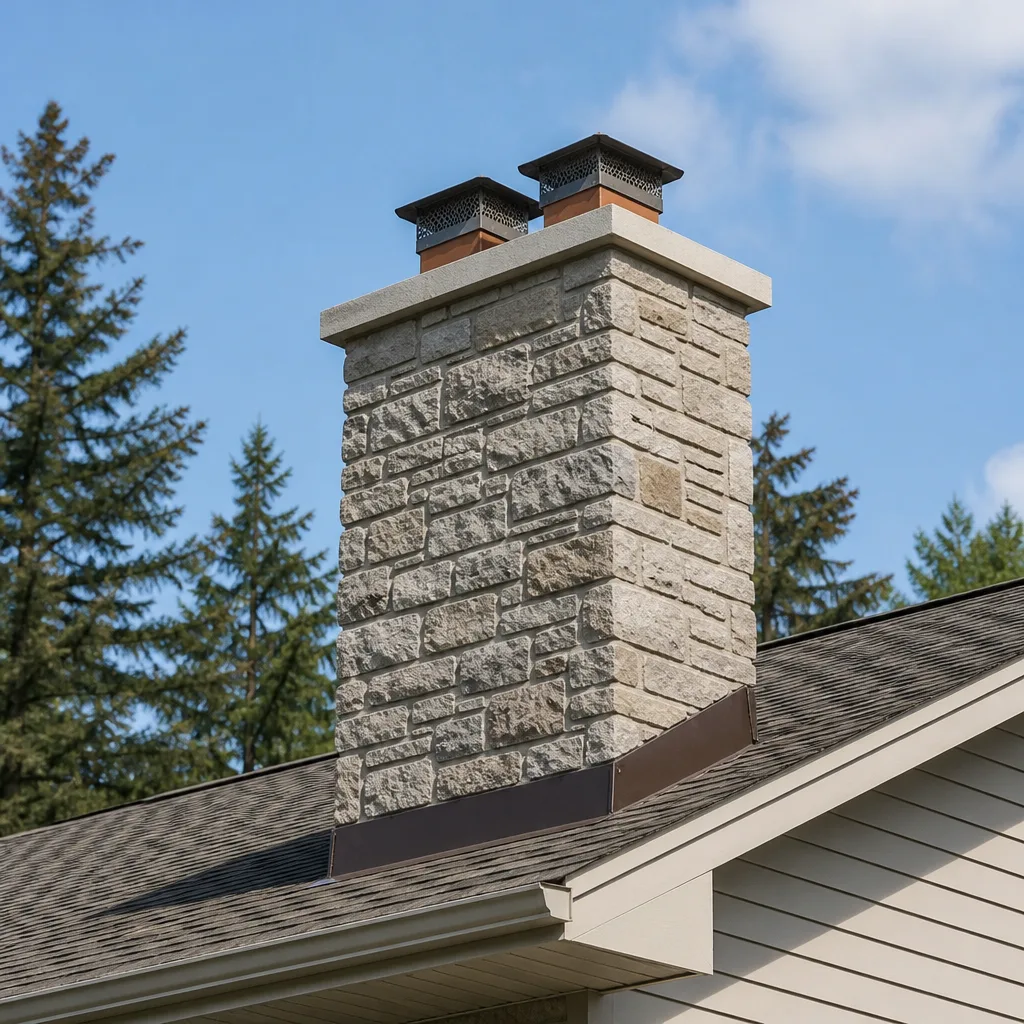 Masonry repair
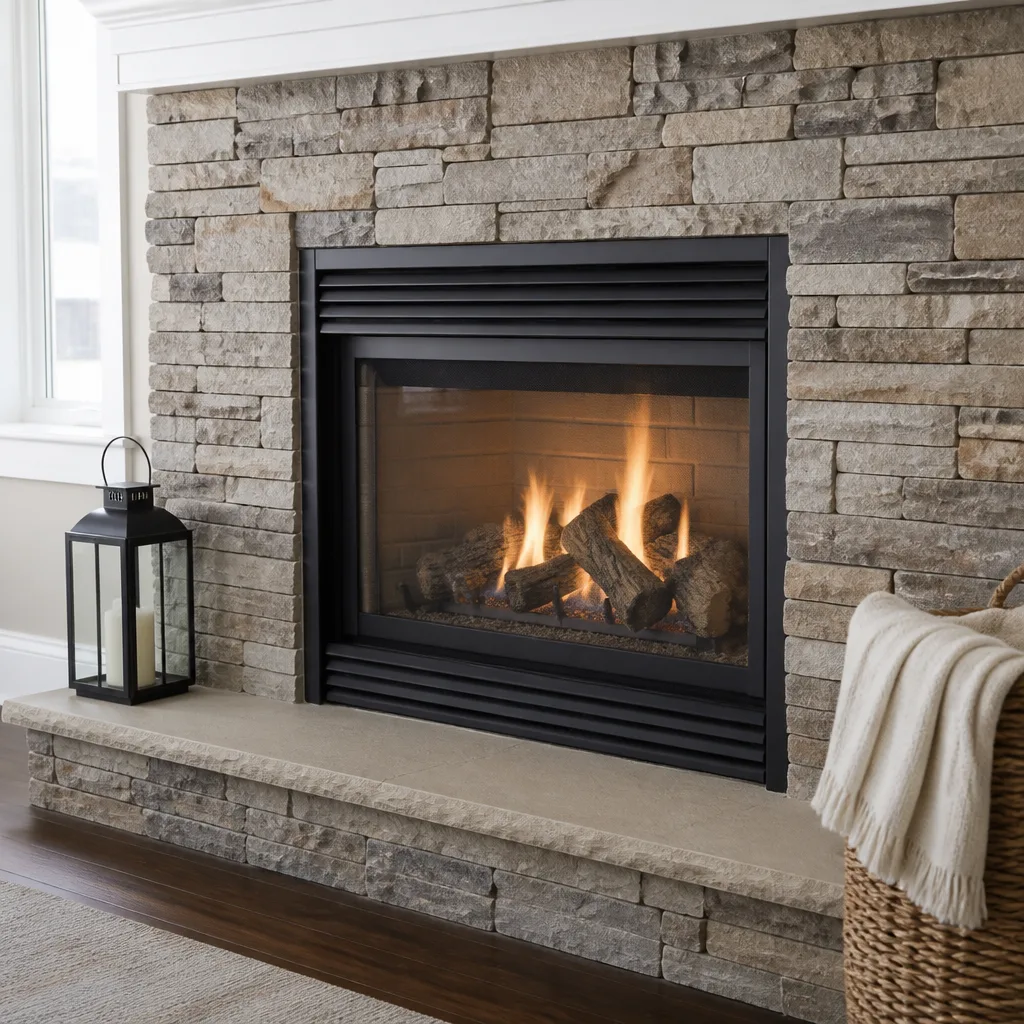 Gas fireplace service
Level 1 sweep and inspection to the NFPA 211 annual standard - flue, crown, cap, and flashing checked and photographed
Chimney sweep logs do not sweep chimneys. They loosen some creosote - which then falls where a brush and vacuum still have to collect it.
The Complete Guide to Chimney Cleaning in Universal City
Most Universal City homes sit within five miles of brush-fire risk zones, yet the majority of chimneys inspected here haven’t been cleaned since before the last major fire season, when airborne debris and heat stress quietly compromised their liners. What settles inside a Universal City flue is not the same as what collects in a chimney in Portland or Chicago. The dry Southern California air hardens creosote into a glass-like scale that a basic wire brush skates right over. This guide maps exactly what’s inside a typical Universal City chimney, why each layer forms, what it means for your fireplace or gas appliance, and what a proper cleaning actually requires. You’ll learn what professional-grade rotary systems remove that commodity brush-and-rod setups leave behind, why gas inserts still demand annual venting inspections, and how to spot the difference between a chimney that needs cleaning and one that needs repair.
Quick Answer
Chimney cleaning in Universal City typically costs between $189 and $450 depending on flue condition, creosote stage, and accessibility, and a professional sweep removes hardened creosote, soot, and debris using rotary systems rather than basic brushes. Homes near the Burbank and Studio City brush corridors accumulate finer airborne particulate than the regional average, which binds to creosote and accelerates glazing. The chimney should be swept at least once per year if you burn wood, and inspected annually even if you only have a gas insert vented through the masonry. Causeway Chimney Sweep home offers free estimates and camera-documented inspections throughout Universal City.
Styles & brands we work with
Table of Contents
- Why Creosote Behaves Differently in Universal City’s Dry Climate
- What Actually Collects Inside a Universal City Chimney
- Gas Insert Retrofits: Why “No Smoke” Doesn’t Mean No Maintenance
- Rotary Cleaning vs. Brush-and-Rod: What the Difference Means for Your Flue
- Mid-Century Masonry Profiles and What They Dictate on the Job
- What a Full Chimney Sweep Entails, Step by Step
- How Often Should You Sweep a Chimney in Universal City?
- Common Mistakes to Avoid
Why Creosote Behaves Differently in Universal City’s Dry Climate
Creosote is a byproduct of incomplete wood combustion. Smoke rises, cools against the flue walls, and condenses into a tarry residue. In humid climates that residue stays sticky and relatively easy to remove with mechanical brushing. Universal City’s climate changes the equation. Relative humidity here averages under 50 percent for most of the year, and that aridity pulls moisture out of creosote deposits quickly. What remains is a dense, brittle layer that bonds tightly to clay tile or stainless steel. We see stage-2 creosote, a flaky, hardened scale, in chimneys that have seen only a single season of regular use. Stage-3 creosote, the glazed, shiny variety that resembles obsidian, forms faster here than in coastal markets because there is no atmospheric moisture to keep deposits soft.
This matters for two reasons. First, stage-2 and stage-3 creosote cannot be reliably removed with hand brushes. The material is too hard; the brush bristles deflect off the surface, leaving most of the deposit intact. Rotary systems with metal cutting heads are required to mechanically shear the glazed layer from the flue wall. Second, hardened creosote changes the fire risk calculus. Stage-3 creosote is a fuel source that can ignite at approximately 2,000 degrees Fahrenheit. A chimney fire fueled by glazed creosote burns hot enough to crack clay tile liners and melt mortar joints, and it does not need an exceptional amount of buildup to start. Universal City’s climate does not create creosote, but it does cure it into its most dangerous form faster than homeowners from other regions typically expect.
The local Wildland Urban Interface also plays a role. Brush-fire smoke drifting from the hills around Burbank and Studio City carries fine particulate and oils that settle inside open flues. When those particulates land on a still-warm creosote layer, they act as a binder, adding mass and accelerating the hardening process. A chimney that would take three seasons to reach stage-2 in a humid market can reach it in one season here. This is not an argument for alarm, it’s an argument for timing. Sweep before the burn season begins, not after, and you remove the deposit while it is still manageable rather than after it has cured.
What Actually Collects Inside a Universal City Chimney
Most homeowners think of chimney sweeping as removing soot. Soot is the easy part. What we actually remove from a Universal City flue is a layered composite that varies by neighborhood, appliance type, and usage pattern. Understanding the layers explains why a visual inspection from the firebox tells you almost nothing about flue condition.
Here is what a typical Universal City wood-burning chimney accumulates over one burn season:
- Loose soot: Fine black powder from incomplete combustion. It brushes off easily but masks what lies beneath.
- Stage-1 creosote: A flaky, dark residue that forms early in the burn season. It is combustible and should be removed annually.
- Stage-2 creosote: Hardened, crunchy scale, often with a honeycomb texture. This is where a manual brush begins to fail.
- Stage-3 creosote: A shiny, tar-like glaze fused to the flue wall. It cannot be brushed away and requires rotary tools or chemical treatment.
- Airborne debris: Leaves, twigs, and fine brush particulate that enter through an uncapped flue. Homes near the hills accumulate more of this than flats areas.
- Animal intrusions: Bird nests, squirrel debris, and in some Universal City chimneys, raccoon signs. These are not just blockages, they are fire fuels and health hazards.
- Masonry spalling: Crumbled mortar and chipped clay tile that collect at the smoke shelf. This debris indicates flue liner damage and should not be ignored.
The smoke shelf deserves special mention. In masonry chimneys, the smoke shelf is a ledge just above the firebox that catches falling debris. Universal City’s mid-century homes typically have shallow smoke shelves by modern standards, which means they fill faster and spill debris into the firebox more readily. A shallow smoke shelf also makes animal removal more delicate. We use a camera inspection on nearly every first-time sweep in Universal City because what we find on the smoke shelf tells us more about chimney history than any visual check from below can.
The neighborhood factor is real. Homes in the hills above Universal City, where the streets climb toward Mulholland, collect more wind-driven debris. Homes closer to the 101 corridor collect more fine soot from vehicle exhaust and construction dust. Neither is catastrophic, but both change the cleaning interval and the tooling we bring to the job. Chimney Sweep in Universal City work is not a standardized checklist. It is a response to what the flue actually holds.
Gas Insert Retrofits: Why “No Smoke” Doesn’t Mean No Maintenance
Universal City has a significant stock of mid-century homes that originally burned wood and now heat with gas inserts or gas log sets. The conversion makes sense in this climate. Gas burns cleaner, starts instantly, and produces no creosote. But the assumption that a gas-fueled fire needs no chimney attention is the most common maintenance error we encounter in this market. The flue does not stop functioning because the fuel changed. It still vents combustion gases. And the conditions inside a gas-vented masonry chimney create their own set of problems.
Gas combustion produces water vapor. A lot of it. A vented gas insert sends that moisture-laden exhaust up through the existing masonry flue, where it condenses on the tile walls. Over time, that moisture soaks into the mortar between the tiles. The resulting damage is slow but consistent: mortar joints soften, tile spalls, and the chimney structure begins to deteriorate from the inside out. In Universal City’s dry climate, the exterior of the chimney tells you almost nothing about this process. The damage is interior, and by the time you see staining on the firebox or ceiling, the liner is already compromised.
Gas inserts also vent through smaller diameter liners than the original masonry flue. If the conversion was done correctly, a stainless steel liner runs from the insert up through the existing chimney. If it was done incorrectly, or if it was never done at all, the insert vents directly into the oversized masonry flue, where combustion gases cool too quickly and condense even faster. That oversized venting configuration also produces weak draft, meaning trace amounts of carbon monoxide can spill into the living space. We inspect gas insert setups in Universal City and regularly find liner configurations that predate current building codes.
Annual gas chimney inspection should not resemble an oil and gas services bullshit add-on. It is a basic safety procedure. We check for venting configuration, condensation damage, obstruction, and liner condition. We do it with a camera so you can see what we see. If your gas insert has not been inspected in more than two years, the smart move is to schedule one before the first cold snap, when every technician in the city is booked solid.
Rotary Cleaning vs. Brush-and-Rod: What the Difference Means for Your Flue
There are two fundamentally different approaches to chimney sweeping, and they are not equivalent. The older method uses a wire or poly brush attached to flexible rods, worked up and down the flue by hand. The newer method uses a rotary cleaning system: a powered drill drives a spinning head with metal cutting blades or whip lines through the flue, mechanically shearing deposits from the walls. Universal City’s chimney conditions, meaning hardened stage-2 and stage-3 creosote, make the choice between these methods consequential.
A brush-and-rod sweep works adequately on loose soot and stage-1 creosote in a flue that was cleaned within the last year. It fails on the glazed deposits that form in this climate. The bristles ride over the hardened surface without cutting into it. The homeowner receives a receipt and a false sense of security, and the most dangerous material in the flue remains in place. We have seen chimneys in Universal City that were “cleaned” six months prior and still carried a full stage-3 glaze because the previous sweep used hand tools on a material that required mechanical cutting.
A professional-grade rotary system does what a hand brush cannot. The spinning head contacts the flue wall with enough force to fracture glazed creosote. The cutting blades chip the deposit away in small pieces, which are then vacuumed out. The process is faster than hand brushing, usually under an hour for a standard fireplace flue, and the result is verifiable by post-sweep camera. We run a camera inspection after every rotary sweep, not because the customer asked but because we want the flue wall documented. If the glaze is gone, the video shows bare tile. If it is not, we go back in.
There is a nuance worth understanding. Rotary systems have different head types for different flue materials. A stiff metal cutting head that works on a clay tile flue will tear up a stainless steel liner. This is where our material specificity matters. We work with professional-grade chimney supply brands because the tooling and the replacement parts come from the same supply chains. When we run a rotary sweep, the heads, the rods, and the vacuum systems are specified for the flue type we are cleaning. We specify by name. That is not marketing language; it is the difference between cleaning a chimney and damaging one.
Dryer vents are a parallel case. Dryer Vent Cleaning in Universal City uses rotary brush systems threaded through the vent run to pull compacted lint from the duct walls. Your dryer vent is a venting system, not an afterthought. The same principle applies: a hand brush on a flexible rod does not remove lint that has been compressed by heat and moisture into a papery mat. The rotary tool does. Different appliance, same logic of using the right tool for the material.
Mid-Century Masonry Profiles and What They Dictate on the Job
Universal City’s housing stock is dominated by mid-century construction, and mid-century masonry chimneys have distinct profiles. The flues are typically rectangular clay tile, often 8 by 13 inches or 9 by 13 inches in cross-section. The tiles were laid in runs of two to four feet with mortar joints between. The chimneys run through the center of the house or up an exterior wall, depending on the original floor plan. The caps were often built from concrete wash, and many have not been inspected since the house was sold.
These older clay tile flues have two vulnerabilities. The first is mortar joint deterioration. Fifty to seventy years of thermal cycling, plus the condensation damage described earlier in gas conversions, erodes the mortar between tile sections. When those joints fail, the flue loses its structural continuity. Gases can leak into the wall cavity, and the chimney becomes dangerous to operate even if the firebox looks fine. The second vulnerability is tile spalling. When moisture absorbed by the clay tile expands and contracts with temperature changes, the interior face of the tile begins to flake off. That spalled clay collects on the smoke shelf or falls into the firebox, and it signals that the liner is degrading from within.
Universal City’s climate adds one more twist. Exterior masonry expands and contracts with the wide temperature swings between the hot valley-side afternoons and the cool nights. Over decades, that movement creates hairline cracks in the exterior brick or block. Those cracks let moisture into the chimney structure, which accelerates interior damage. It is a slow process, but not a subtle one when you know what to look for.
Tool selection on these mid-century chimneys matters. We choose rotary heads sized to the flue dimensions, not a one-size-fits-most approach. An oversized head can crack already-weakened tile. An undersized head leaves ridges of creosote in the corners, especially in rectangular flues where a round brush cannot fully contact the corners. The difference shows up in the post-sweep camera footage. We can tell immediately whether the previous sweep used the right tooling by looking at what remains in the corners.
When we find damaged tile liners during a sweep, the conversation shifts from cleaning to repair. Chimney Repair in Universal City is a significant part of our work. We carry HeatShield, a resurfacing system that repairs damaged flue liners without full tile replacement, and we install DuraFlex stainless steel liner systems when the chimney needs to be relined. These are professional-grade materials sourced from Olympia Chimney and Copperfield, the same distributors specified by certified sweep associations. Most Universal City chimneys that fail inspection do not need to be torn down and rebuilt. They need their liners repaired with the right material by someone who works with it regularly.
What a Full Chimney Sweep Entails, Step by Step
A professional chimney sweep is not a guy with a brush and a tarp. It is a systematic process that protects the home, documents the flue condition, and removes the material that actually needs removing. Here is what we do on a standard wood-burning chimney sweep in Universal City, in order.
- Interior protection: We lay drop cloths around the hearth, seal the firebox opening with a barrier, and set up a high-powered vacuum with a HEPA filter. The goal is zero dust migration into the living space.
- Initial camera inspection: Before any tool touches the flue, we run a camera from the firebox to the top of the chimney. We are looking for liner damage, animal intrusions, hidden blockages, and the stage of creosote present. This initial footage determines the tooling.
- Rotary cleaning from the firebox: We run the rotary head up the flue, shearing creosote and debris from the walls. The vacuum runs continuously to capture loosened material at the source.
- Smoke shelf and damper cleaning: The rotary system cannot fully clear the smoke shelf and damper area. We clean these by hand with specialized tools, removing compacted debris and checking the damper function.
- Roof access and cap inspection: We go on the roof to inspect the flue cap, crown, and chimney exterior. We check for cracked caps, damaged spark arrestors, and missing mortar on the crown.
- Final camera verification: After the cleaning, we run the camera again. You see the before and after footage. If sections of the flue still carry heavy glaze, we repeat the rotary pass or discuss chemical treatment.
- Written report: We provide a summary of what we found, what we removed, and what we recommend. If the chimney needs repair work, the report includes camera stills showing the damage. We do not recommend work we cannot show you, and we do not recommend work that can safely wait.
This process takes about an hour to ninety minutes for a standard fireplace. If we find a bird nest or animal intrusion, the job takes longer because removal is delicate and often requires follow-up remediation to prevent re-entry. If the flue carries heavy stage-3 glaze, we may need to make a second pass or apply a chemical treatment that softens the hardened creosote before mechanical removal. Either way, you get a documented result, not just a receipt.
Gas fireplace inspections follow a different path. We inspect the venting configuration, run the camera to check for condensation damage and liner condition, test the draft where applicable, and verify the cap and termination. We do not run rotary heads through gas liners unless they are clearly clogged with debris. The process is diagnostic first, cleaning second. In Universal City, many gas inserts have never had a proper camera inspection, and the findings are often surprising to the homeowner.
How Often Should You Sweep a Chimney in Universal City?
The one-year rule is a national guideline, not a Universal City one. For wood-burning fireplaces used regularly during the burn season, we recommend a sweep every year, ideally in the late summer or early fall before the first fire of the season. This timing puts you ahead of the rush, and it removes the previous season’s creosote before it has had a full year to cure in the dry air. For occasional wood burners, meaning a dozen fires or fewer per season, every other year may be sufficient, but we advise a camera inspection annually regardless. The inspection tells you whether the cleaning interval can be extended.
Gas insert fireplaces should be inspected annually even if they are never cleaned. The concern is not creosote but condensation damage and draft function. A gas insert that vents through a deteriorated masonry flue is a carbon monoxide risk, and that risk does not announce itself. Universal City homes with gas inserts should have the venting configuration verified at least once, and then rechecked every year or two based on the initial findings. If the venting was never brought up to code, you want to know that immediately, not after years of operation.
The Wildland Urban Interface factor applies here too. If your chimney cap is damaged or missing, airborne debris from brush areas enters the flue directly. Homes in the hills of Universal City should have their caps checked each fall, especially after high-wind events. A missing spark arrestor is not just a debris problem, it is an ember risk during burn season. California fire codes require spark arrestors in interface zones, and for good reason.
Common Mistakes to Avoid
- Assuming gas means no maintenance: Gas inserts produce condensation that damages masonry liners over time. Annual venting inspections are not optional just because there is no smoke.
- Using chemical “creosote removers” as a substitute for sweeping: These products can soften stage-1 creosote, but they do not remove stage-2 or stage-3 deposits, which are the most dangerous forms found in Universal City’s dry climate.
- Relying on a visual check from the firebox: The firebox view shows you almost nothing. The dangerous accumulation is mid-flue and upper-flue, which requires a camera to assess.
- Firing the furnace without checking the shared flue: Some mid-century Universal City homes share a flue between the fireplace and the heating system. If that flue is blocked or damaged, both appliances are compromised.
- Ignoring spalling clay tile: Chipped tile in the firebox is not cosmetic. It indicates the liner is degrading and may need HeatShield resurfacing or relining.
- Waiting until winter to schedule: Every chimney service in the city is overbooked in November and December. Schedule in August or September and you choose your appointment time instead of taking what’s left.
- Skipping the cap replacement because the old one “looks fine”: Rusted and warped caps let water into the flue, and water in the flue accelerates everything else. A cap is the cheapest insurance a chimney has.
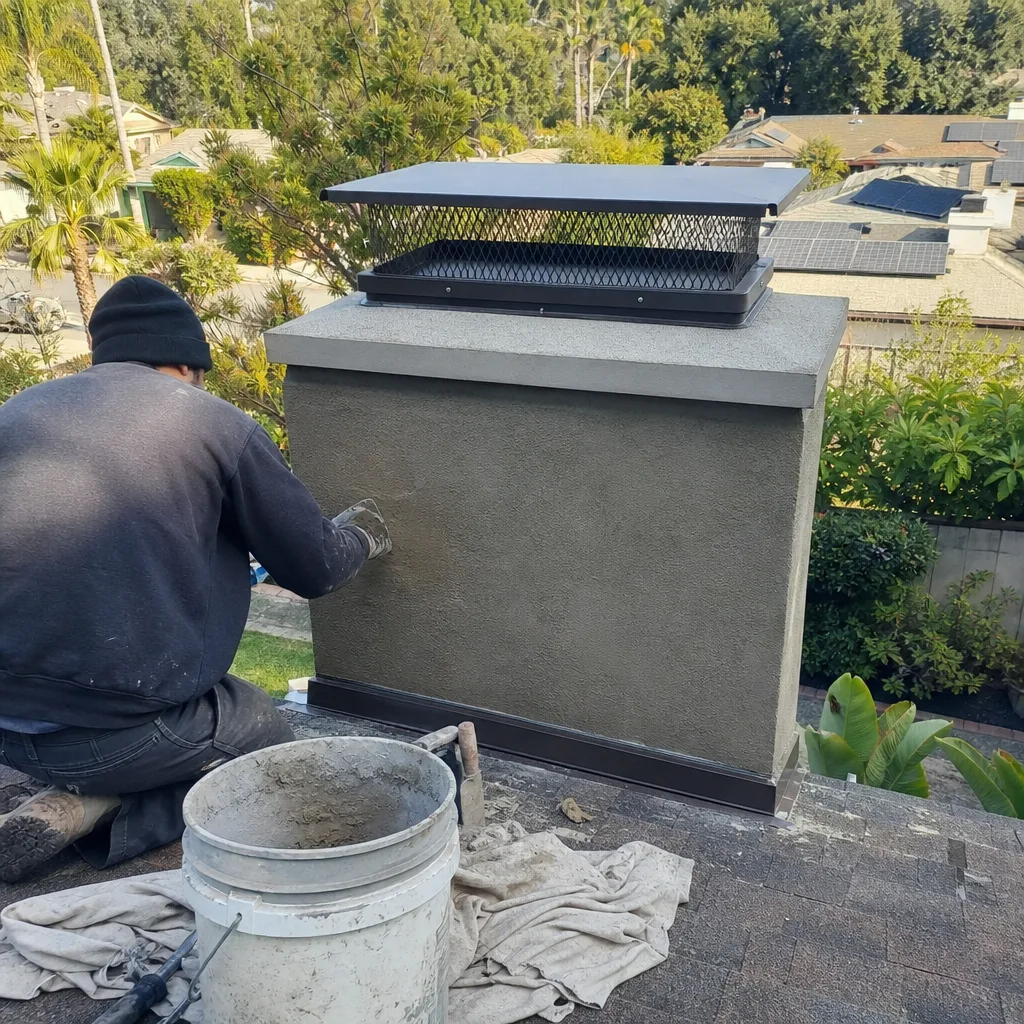
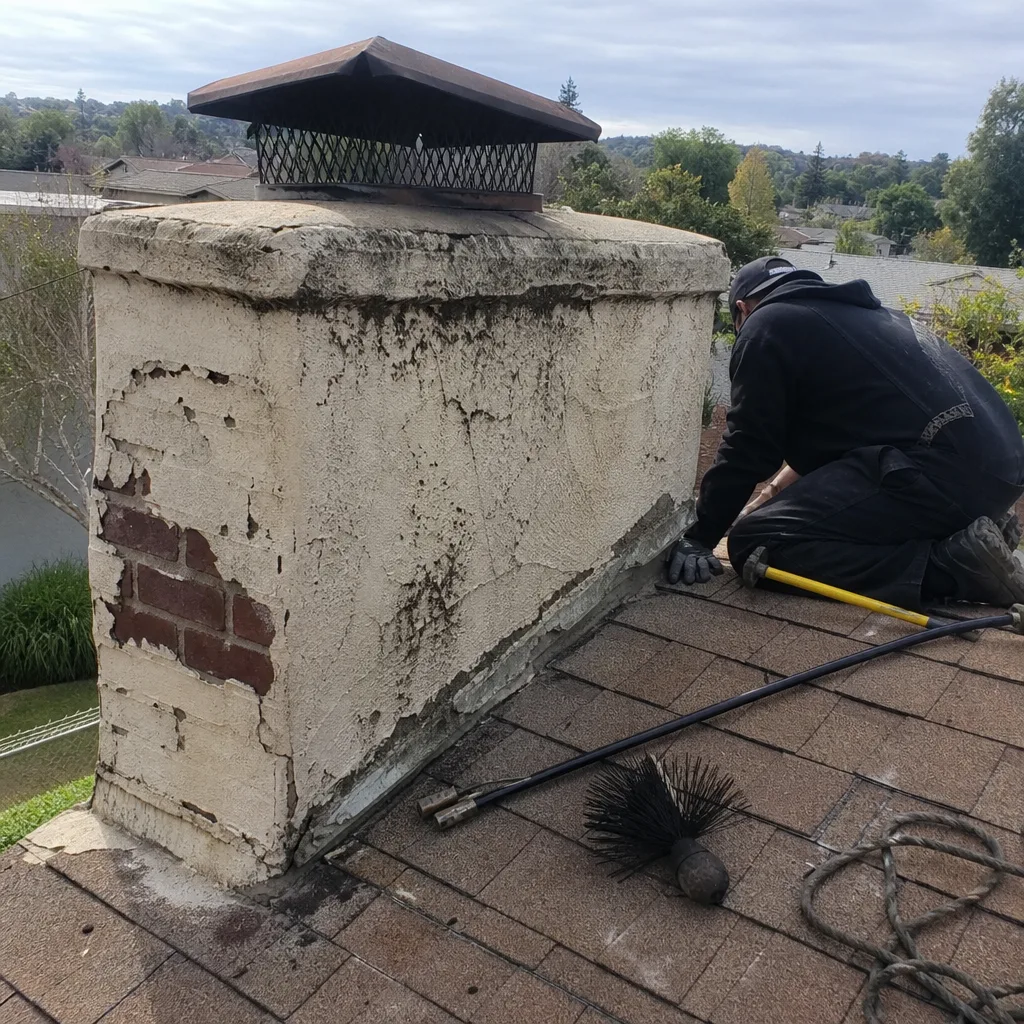
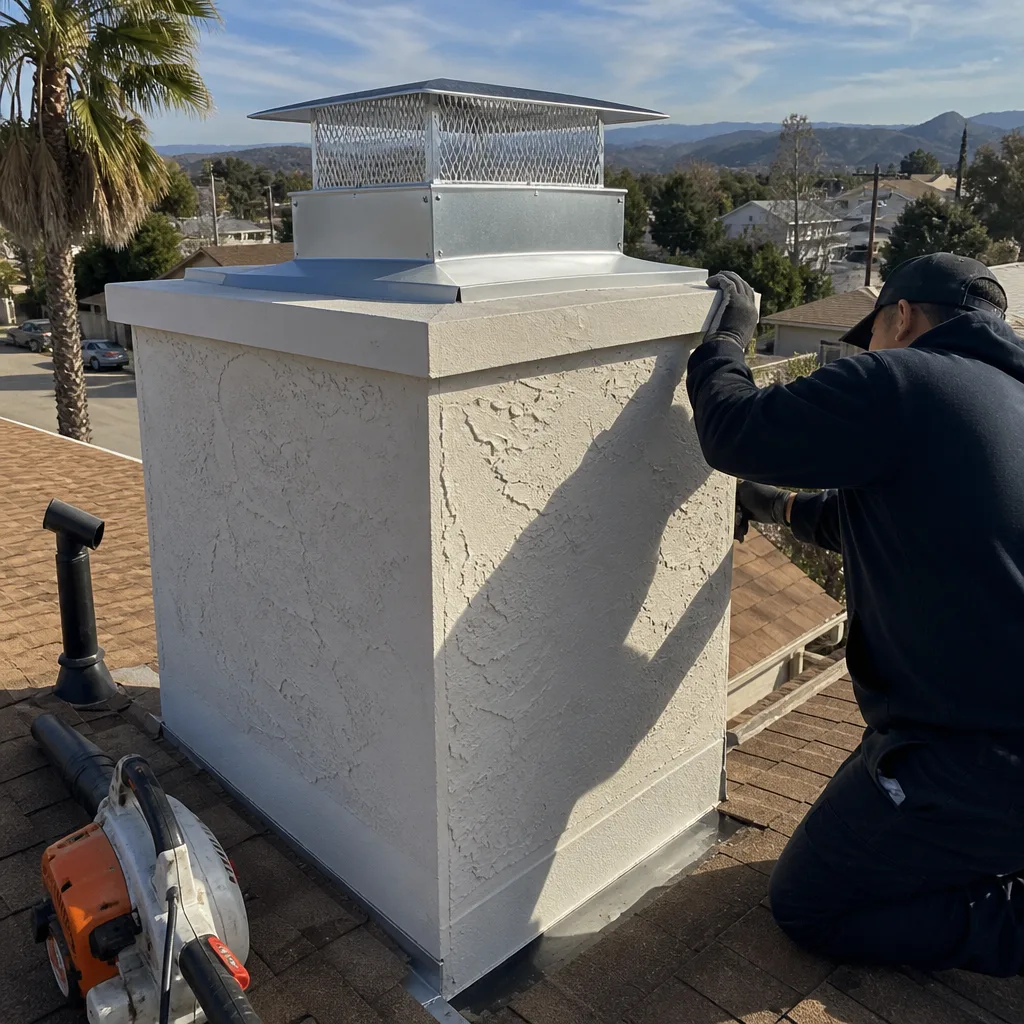
See the difference
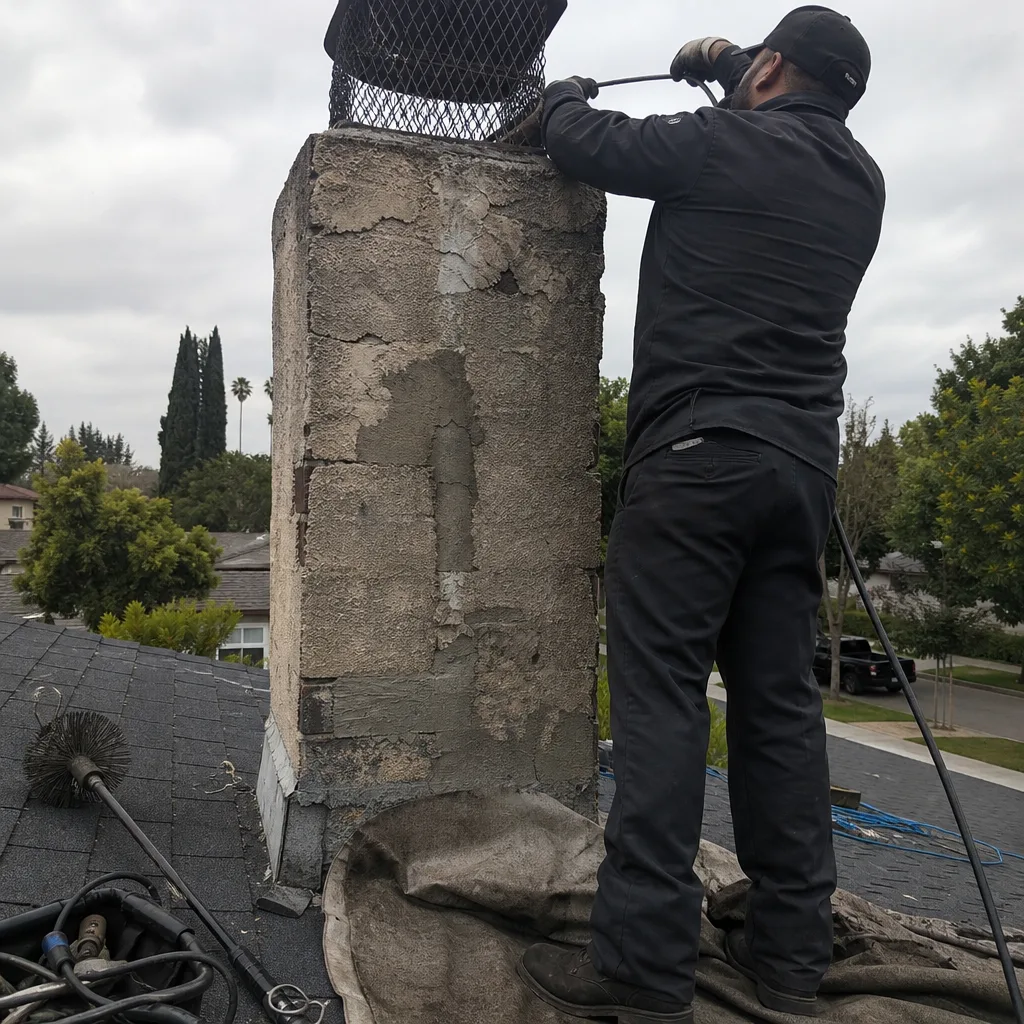 Before
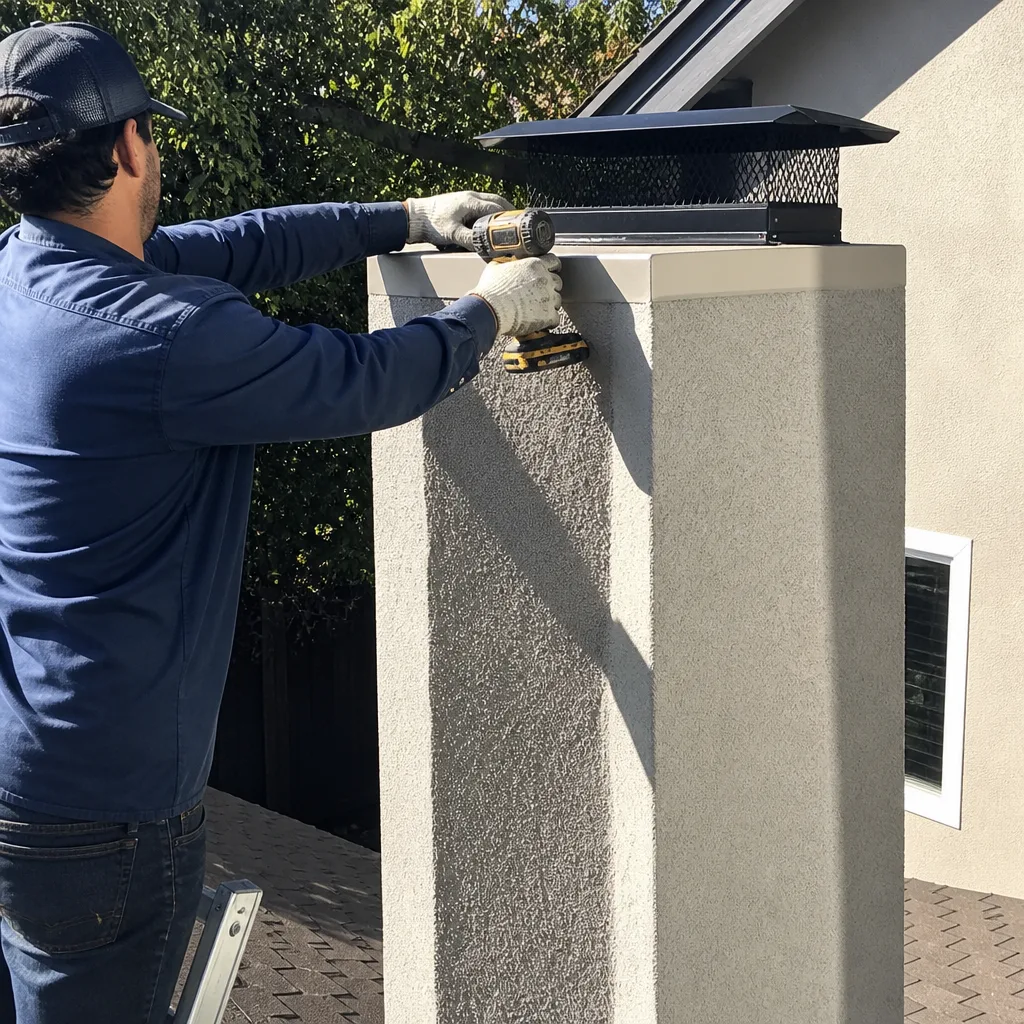 After
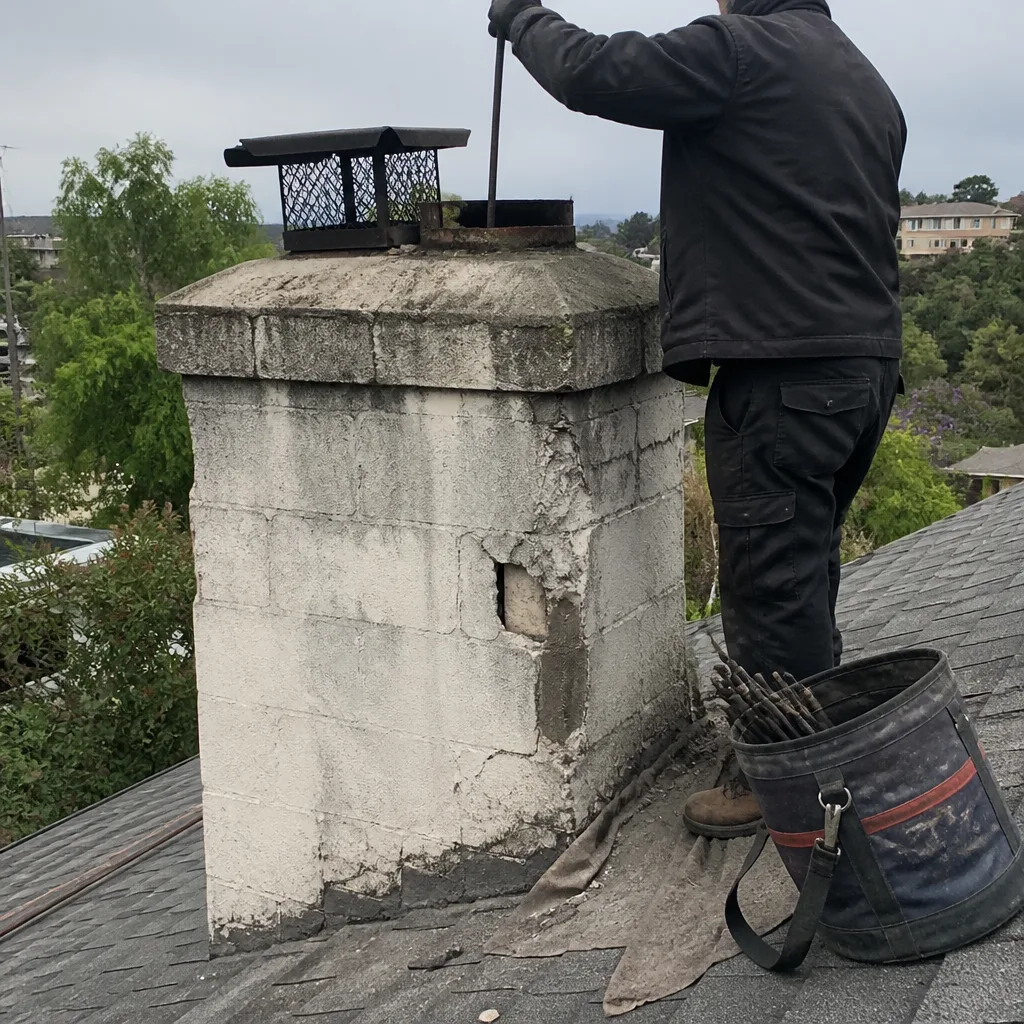 Before
 After
 Before
 After
When to Call a Professional
Some conditions demand a professional inspection before the next fire, not a DIY look. If you smell a strong campfire-like odor in the house during humid weather, that is the scent of creosote accumulating in the flue. If you see black staining on the firebox face or around the damper, call for a sweep. If you hear birds or animals in the chimney, do not attempt to smoke them out; removal requires specific tools and a plan to prevent re-entry. If you notice cracked tile, crumbling mortar, or water staining in the firebox, the chimney needs repair work, not just cleaning. And if your gas insert has been operating for years without a camera inspection, that inspection should happen before the next season.
Causeway Chimney Sweep offers free estimates in Universal City. Call (877) 500-2276 and we will schedule a camera-documented inspection, explain what we find in plain language, and show you the footage. No one at our shop recommends a repair we cannot demonstrate on camera. If the chimney can safely wait, we say so.
Frequently Asked Questions
A standard chimney sweep in Universal City typically runs between $189 and $350 for a wood-burning fireplace in good condition. Heavy stage-3 creosote, animal removal, or a damaged liner can raise the total to $450 or more. We provide a flat quote before any work begins, and the quote includes a pre-sweep camera inspection. Call (877) 500-2276 for an exact price based on your flue.
The reliable test is a camera inspection of the flue walls. Visual checks from the firebox cannot see the accumulation that matters. If you have burned a face cord or more since the last sweep, or if it has been more than two years regardless of use, schedule an inspection. Universal City’s dry climate hardens creosote quickly, so the window between stage-2 and stage-3 is shorter here than in humid markets.
Gas fireplaces rarely need the mechanical creosote removal that wood burners do, but they need annual venting inspections. Gas exhaust is moisture-laden and condenses inside masonry flues, slowly deteriorating the liner and mortar. An annual camera inspection catches that deterioration early. Call (877) 500-2276 to book a gas venting inspection.
Sweeping removes accumulated creosote and debris from the flue. Repair addresses structural damage to the liner, cap, crown, or masonry. In Universal City, many chimneys need both, because a damaged liner traps more depositis and a neglected chimney is more likely to reveal damage once cleaned. Chimney Repair in Universal City covers everything from HeatShield resurfacing to full DuraFlex relining.
A standard wood-burning fireplace sweep takes about an hour to ninety minutes from setup to final camera verification. Gas venting inspections run shorter, usually 30 to 45 minutes, unless the inspection reveals damage requiring documentation. We typically complete the work in a single visit.
Yes, but only if it removes the right material. Chimney fires are fueled by creosote, and Universal City’s dry climate cures creosote into stage-2 and stage-3 forms that a standard hand brush leaves behind. A professional rotary cleaning that removes the glaze is the difference between a clean chimney and a chimney that only looks clean. After each sweep, we run a camera so you can verify the result with your own eyes.
The Bottom Line
Chimney cleaning in Universal City is more demanding than most homeowners expect. The dry climate cures creosote into hardened forms that resist basic brushing. Gas conversions mask condensation damage that only a camera inspection reveals. Mid-century masonry requires tooling that matches the flue profile, not a generic approach. And the Wildland Urban Interface adds a debris load that changes both the cleaning interval and the cap requirements. The solution is a sweep that treats the chimney as a system, documents everything with a camera, and uses professional-grade materials when repairs are needed. For Universal City homeowners, that means an inspection before burn season, a rotary cleaning when needed, and a repair plan that prioritizes what can be proven on video. Chimney Sweep in Universal City starts with a phone call to (877) 500-2276, and it ends with a flue you can see is clean.
Written by the team at Causeway Chimney Sweep, serving Universal City since 2015.