Last updated October 31, 2026
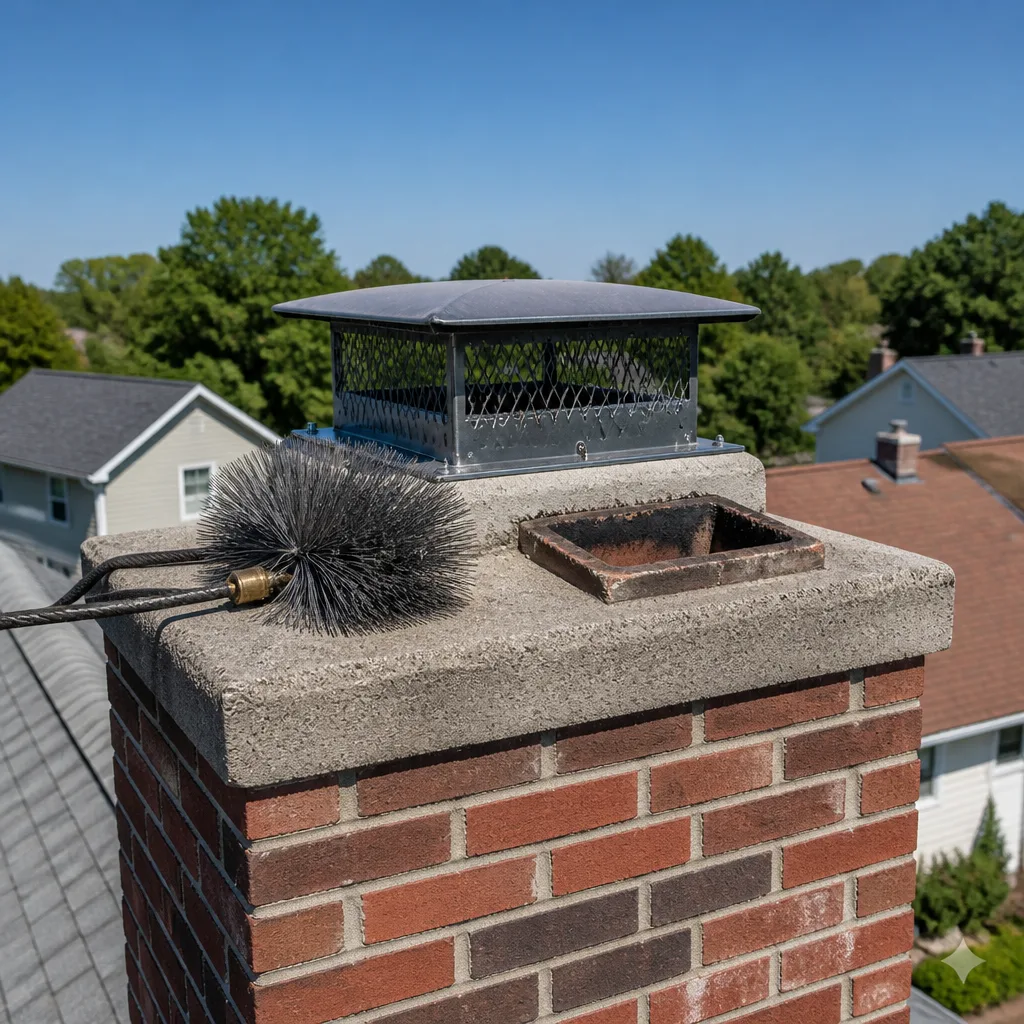 Sweep & inspection
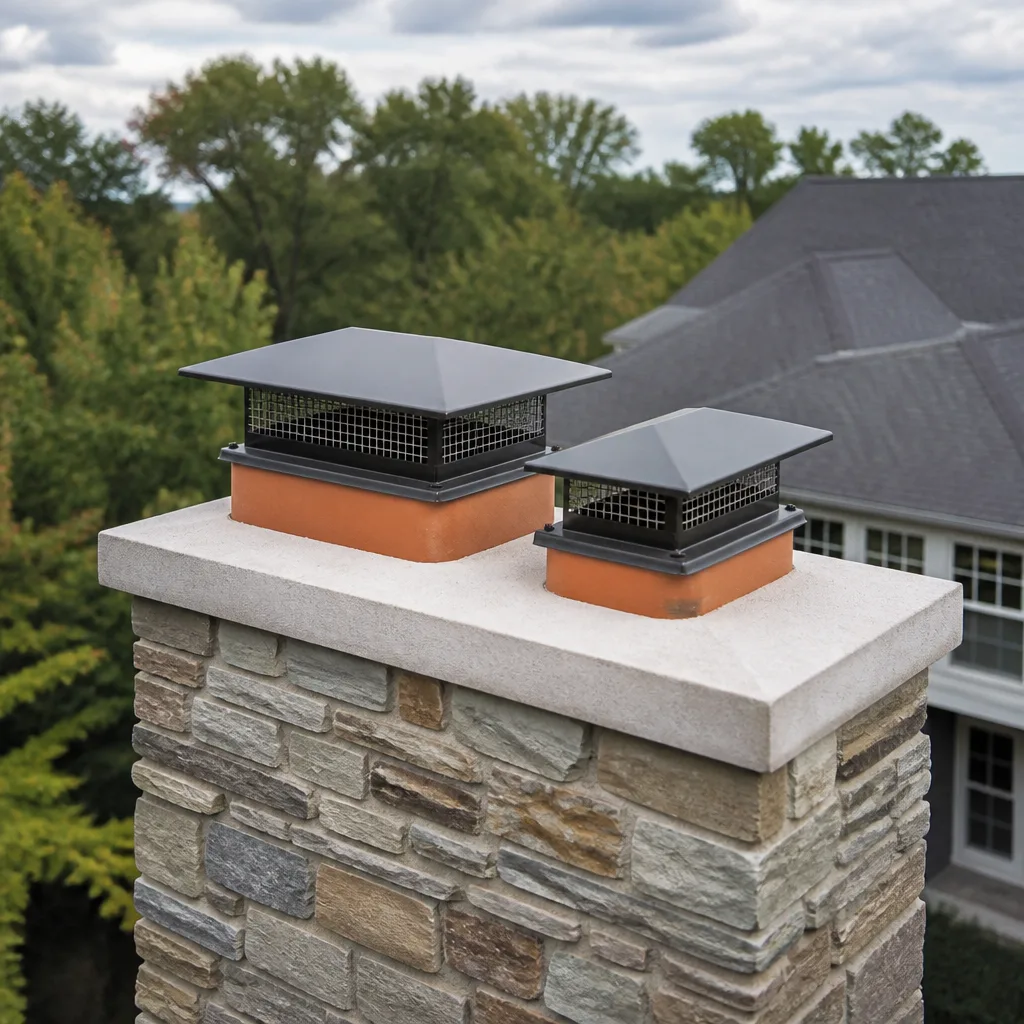 Caps & crowns
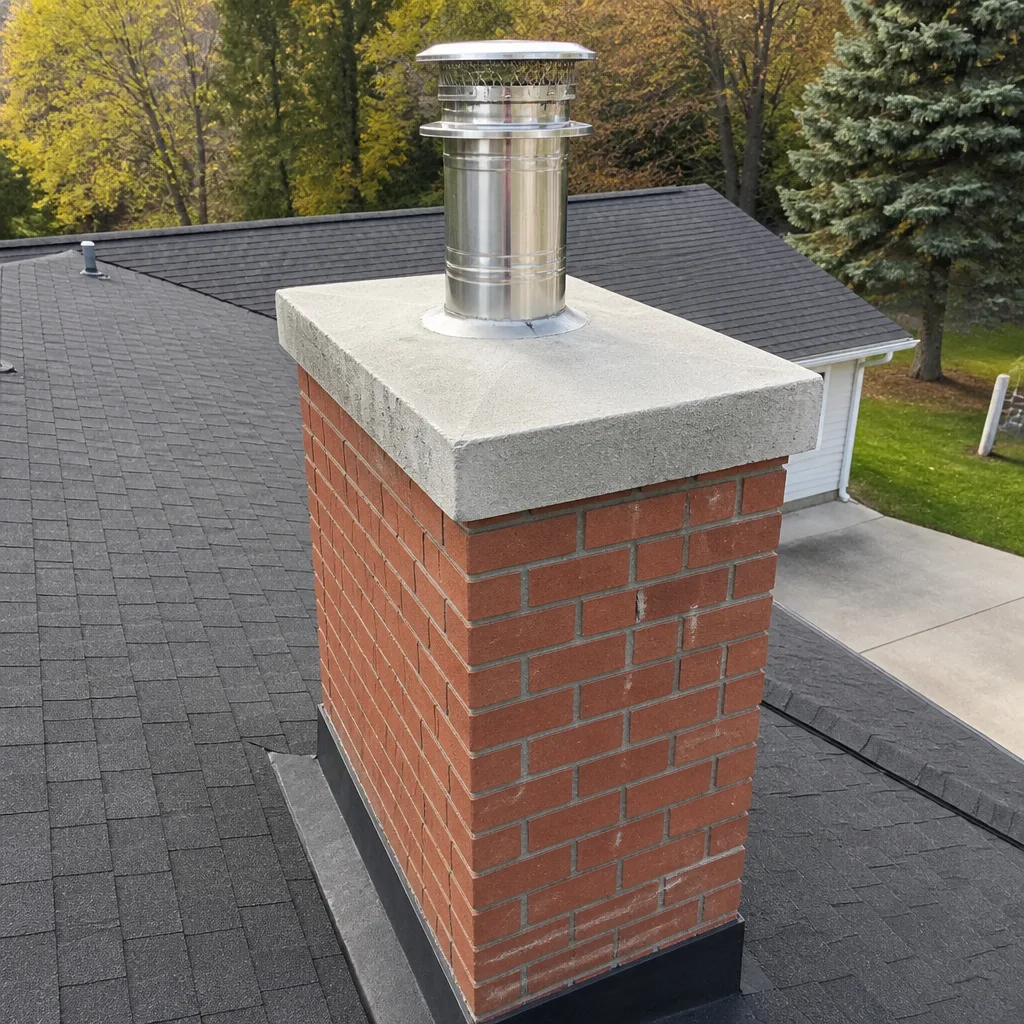 Flue relining
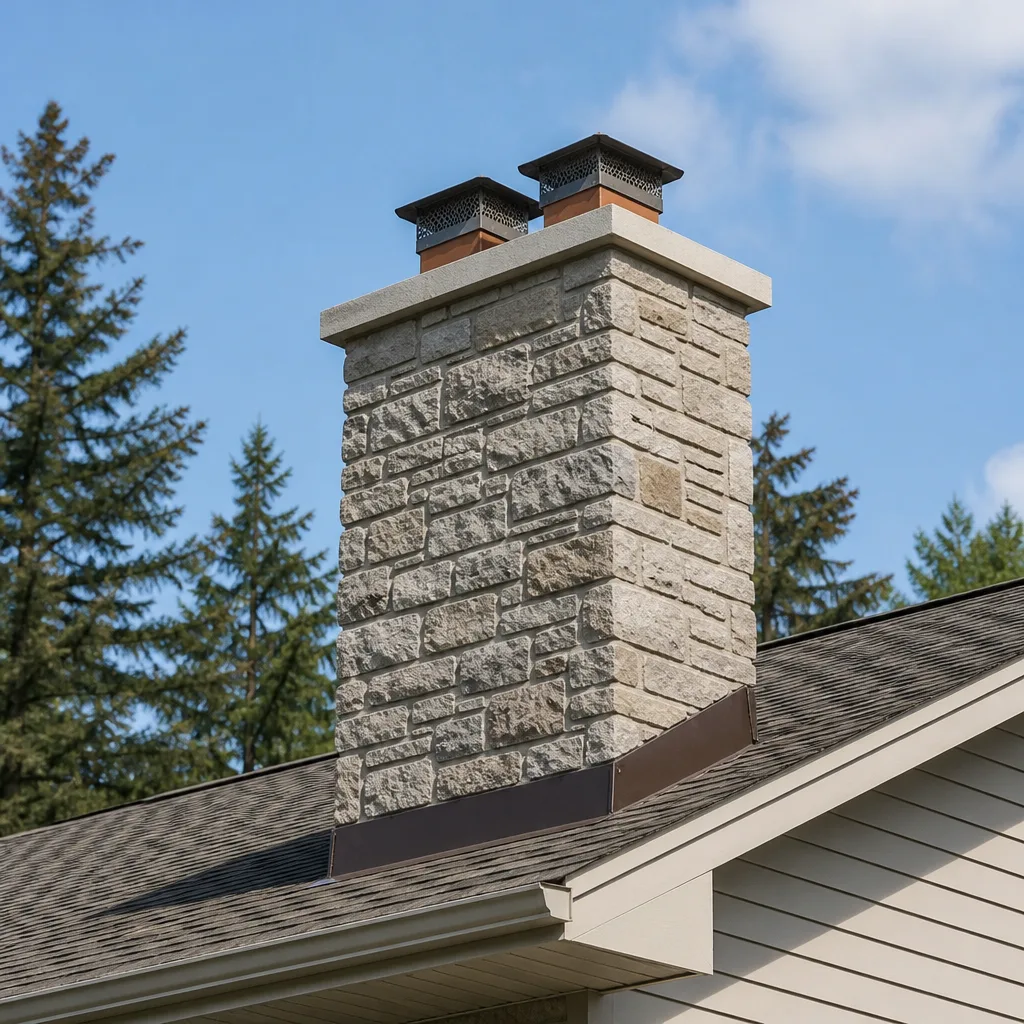 Masonry repair
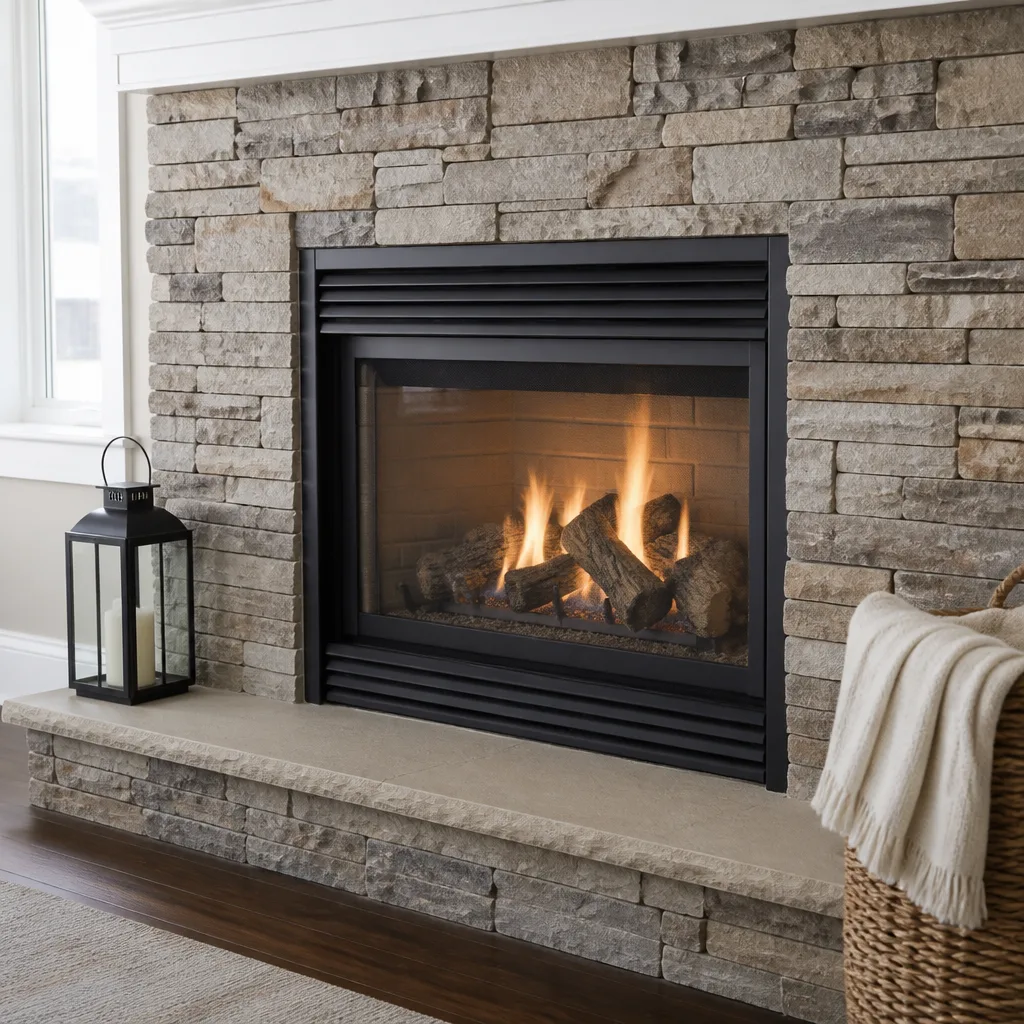 Gas fireplace service
Level 1 sweep and inspection to the NFPA 211 annual standard - flue, crown, cap, and flashing checked and photographed
Chimney sweep logs do not sweep chimneys. They loosen some creosote - which then falls where a brush and vacuum still have to collect it.
Chimney Sweep Troubleshooting: Common Problems and How to Fix Them
Smoke backing into the room is the most searched chimney complaint on Google, and here’s what surprises most Universal City homeowners: only one of its six common causes is actually solved by sweeping. The other five have nothing to do with soot buildup. They’re mechanical, structural, or pressure-related problems that a brush will never fix. This guide walks you through the diagnostic logic we use on every service call, so the next time something goes wrong with your fireplace or venting system, you’ll know exactly what to look for, what to tell the technician, and which problems genuinely need a chimney sweep versus which need a repair specialist.
Styles & brands we work with
Quick Answer
Most chimney problems fall into one of six categories: creosote buildup, draft failure, damper malfunction, water infiltration, liner damage, or flue obstruction. A routine chimney sweep fixes only the first. Everything else requires inspection, and often repair, before cleaning can even be done safely. Knowing the difference before you book saves you from paying for a cleaning that won’t solve the problem.
Table of Contents
- Smoke Backing Into the Room: The Six Causes, Ranked
- Creosote Buildup: Stage 1 vs. Stage 3 and Why It Matters
- Poor Draft: Debris Blockage vs. Negative Air Pressure
- Damper Seal Failure: The Problem Everyone Blames on Dirt
- Water Stains: White Efflorescence vs. Brown Ceiling Stains
- Liner Damage: When Sweeping Reveals a Bigger Problem
- Dryer Vent Symptoms That Mimic Chimney Problems
- Common Mistakes to Avoid
- When to Call a Professional
- Frequently Asked Questions
- The Bottom Line
Smoke Backing Into the Room: The Six Causes, Ranked
We’re going to give you the full diagnostic tree right up front, because this is the question that drives most of the calls we get in Universal City. Smoke in the living room is never normal, but it’s also rarely solved by what homeowners assume will fix it.
Here are the six causes, ranked from most common to least common in our experience:
- Cold flue / stack effect failure. On a cold morning, the air inside the chimney is heavier than the air in the room. You light a fire, and the smoke has nowhere to go because the flue hasn’t warmed enough to create upward pull. This is a draft issue, not a cleanliness issue. Pre-warming the flue with a rolled newspaper held up near the damper for 30 to 60 seconds usually solves it. If it doesn’t, you have another problem.
- Damper not fully open or warped. A damper that’s stuck half-open, rusted, or warped from heat restricts the flue opening. The fire gets starved for air, and smoke lingers at the firebox instead of rising. This is mechanical, not soot-related.
- Debris blockage. Leaves, twigs, animal nests, or a dead bird in the flue. This is the only cause on this list where a sweep is the primary fix, and even then, you want the sweep to check why debris got in, which usually means a damaged or missing cap.
- Flue cap obstruction. A cap that’s clogged with creosote or rusted shut at the mesh restricts air flow at the very top of the system. Cleaning or replacing the cap is the fix.
- Negative air pressure in the home. Modern Universal City homes are sealed tight. Range hoods, bathroom fans, and forced-air HVAC systems all pull air out of the house. When the house can’t draw makeup air from outside, it pulls air down the chimney instead, dragging smoke with it. This is a ventilation design problem, not a chimney problem, and we cover it more below.
- Improperly sized flue or liner damage. If the flue is too large for the firebox, smoke cools too quickly and loses its upward momentum. If the liner is cracked or spalled, the flue can’t maintain a clean draft path. Both require repair, not sweeping.
What this list tells you is that five out of six smoke-back causes need a technician to look at something other than soot. When you call a company like Causeway Chimney Sweep, describe the symptom precisely. Say when it happens (cold starts, windy days, only with the furnace running). That detail cuts the diagnosis time in half.
Creosote Buildup: Stage 1 vs. Stage 3 and Why It Matters
Creosote is the byproduct of incomplete wood combustion. It condenses on the flue walls as smoke cools. But not all creosote is created equal, and treating Stage 1 buildup the same way you’d treat Stage 3 is how chimneys get damaged and fires get started.
Stage 1 creosote is a soft, flaky, sooty deposit. It brushes off easily with standard sweeping equipment. This is what most people picture when they think of chimney cleaning, and for many Universal City homes that burn seasoned hardwood, Stage 1 is as bad as it gets.
Stage 2 creosote is a hardened, granular deposit that looks like crushed black cornflakes. It’s harder to remove and often requires rotary brushes or chemical treatment to break it down before standard sweeping is safe.
Stage 3 creosote is a glazed, tar-like coating that looks like black glass. It forms when flue temperatures stay consistently low, usually from burning unseasoned wood, restricting air supply, or running a fire too cool. Stage 3 cannot be brushed off. Attempting to brush it is a waste of time and risks scoring the liner. It requires chemical treatment, often applied over multiple visits, before a full cleaning can be completed.
Here’s why the distinction matters practically:
- A quote for “chimney sweep” usually assumes Stage 1 or mild Stage 2. If you have Stage 3, the scope of work changes completely.
- Glazed creosote holds heat. In a chimney fire, Stage 3 deposits are what burn hot enough to crack flue tiles and ignite surrounding framing.
- Chemical treatments work, but they’re a process, not a one-visit miracle. A reputable technician will tell you that upfront.
If you’ve burned a lot of pine, used a fireplace insert with the damper mostly closed, or haven’t swept in more than three seasons, assume the creosote is at least Stage 2 and tell the company you call. It changes how they quote and what equipment they bring. We specify professional-grade products from Gelco for creosote treatment because hardware-store alternatives are often just detergents relabeled as chimney chemicals.
Poor Draft: Debris Blockage vs. Negative Air Pressure
Here’s the diagnostic fork that separates a real chimney company from a brush-and-go operation: a weak draft can be caused by something physically blocking the flue, or by pressure dynamics inside the house. The fix for one is completely useless for the other.
Debris blockage is straightforward. Something is in the flue. A nest, a bird, leaves, a tennis ball, or a collapsed section of chimney liner. The symptom is usually a draft that was fine last season and bad this season, or a draft that’s weak regardless of wind or appliance use. The fix is physical removal, followed by a cap replacement if debris got in through a damaged or missing cap.
Negative air pressure is more subtle. The house itself becomes the problem. Here’s how to test for it in about ten minutes:
- Close every window and exterior door in the house.
- Open the damper fully and hold a lit match or lighter near the fireplace opening.
- If the flame leans toward the fireplace, the flue is drafting correctly.
- If the flame leans away from the fireplace, or blows out, the house is depressurized, and the chimney is being used as a makeup air intake.
- Open a window an inch. If the draft immediately improves and smoke stops backing in, you’ve confirmed negative air pressure as the culprit.
This is common in newer Universal City construction, where building codes require tight envelopes for energy efficiency. The house is sealed well, which is good for your air conditioning bill, but it starves the fireplace of combustion air. The fix is often a dedicated combustion air vent, not a chimney cleaning. Some homes need a make-up air system tied to the HVAC return. Either way, this is a venting system problem, and it’s exactly the kind of combustion air and venting configuration work that Famco ventilation products are built for. For help selecting the right equipment, see our buyer’s guide. A chimney sweep who doesn’t understand house pressure dynamics will sell you a cleaning and leave the problem unsolved.
Damper Seal Failure: The Problem Everyone Blames on Dirt
A damper has one job: seal the flue when the fireplace isn’t in use. When it fails, the symptoms are subtle enough that most homeowners misdiagnose them.
Here’s what a failing damper actually looks like:
- Cold air pouring into the room even with the fireplace doors closed. This is the most common report. The damper is leaking, and you’re paying to air condition or heat the outdoors.
- Fireplace odor in summer. Warm, humid outside air enters through the leak, hits the cold flue walls, and carries the creosote smell back into the house. This is often misread as “needing a cleaning,” when the actual issue is a damper that doesn’t seat.
- Difficulty getting a fire started. A warped damper plate restricts the opening even when “open,” reducing air flow.
- Downdraft gusts. Wind pushes air down through the leak when the fireplace isn’t running, sending ash puffs into the room.
Here’s the test before you book a cleaning:
- Close the damper and shut the fireplace doors or glass.
- Wait about 30 minutes for air to settle.
- Hold a lit incense stick or a thin strip of tissue near the damper edge, from inside the firebox if possible.
- If the smoke or tissue wavers toward the flue, the damper is leaking. If you can feel cold air with your bare hand, the leak is significant.
Damper repair is not a sweep. It’s a mechanical fix. Sometimes a damper can be adjusted or reseated. Often it needs replacement. In masonry chimneys, installing a top-sealing damper at the flue exit is a better long-term solution because it seals from above, where water and downdrafts actually enter. We install top-sealing dampers from Copperfield, which are spec’d for outdoor exposure and hold their seal over repeated thermal cycling. A top-sealing damper also slows down the creosote smell problem in summer, because it stops the air movement that carries the odor in the first place.
Water Stains: White Efflorescence vs. Brown Ceiling Stains
Water is the worst enemy of a masonry chimney, and the stain pattern tells you exactly where it’s coming from. Universal City’s occasional heavy rain combined with year-round humidity means water intrusion is a year-round risk, not just a winter problem.
White efflorescence on the exterior brick or chase is a salt deposit, not a paint defect. When water soaks into masonry and then evaporates, it leaves behind mineral salts that appear as a white, chalky film. Efflorescence means water is moving through the chimney structure. The water source is usually one of these:
- Damaged or missing chimney cap, allowing direct rain entry
- Cracked crown (the concrete slab at the top of the chimney)
- Failed mortar joints, allowing water to wick into the brick
- Improper flashing where the chimney meets the roofline
Efflorescence itself is cosmetic, but it’s the early warning sign of structural deterioration. Left unaddressed, the freeze-thaw cycle in masonry causes spalling and brick face loss, which gets expensive fast.
Brown ceiling stains near the fireplace or chimney chase tell a different story. This is active water penetration, not slow wicking. The water is finding a direct path into the building envelope. Brown staining near the roofline usually points to flashing failure. Staining lower down, near the firebox or hearth, often means water is coming down through the flue itself, which suggests a missing cap or a crown failure.
The distinction matters because the fix is completely different. Efflorescence usually requires masonry sealing and crown repair. Brown staining requires active leak tracing first, often involving flashing, cap replacement, or chase cover work. A proper diagnosis involves a camera inspection to find the water path before any repair is quoted. If a company wants to repoint your brick without finding the water source first, walk away. That’s symptom treatment, not diagnosis.
Liner Damage: When Sweeping Reveals a Bigger Problem
Sometimes the reason you book a sweep is the reason you discover you need a repair. A thorough chimney sweep includes an inspection of the flue liner, and that inspection is where serious problems surface.
Common liner damage findings during a sweep:
- Cracked or spalled clay tile. Clay tile liners crack under chimney fire heat, water freeze-thaw stress, or earthquake movement. Once cracked, the liner can no longer contain heat or combustion gases.
- Gaps between tile sections. Mortar between clay tiles degrades over time, creating openings where heat and gases can reach the chimney structure.
- Rusting metal liner. Older stainless steel or aluminum liners corrode, especially in humid environments or with gas appliance exhaust, which is acidic.
- Missing or collapsed sections. This is the most serious finding. The flue path is compromised, and the fireplace or appliance should not be used until the liner is replaced.
Here’s the part most Universal City homeowners don’t know: a damaged liner isn’t just a cosmetic issue. It’s a fire safety issue and a carbon monoxide risk. The liner’s job is to contain combustion byproducts and direct them out of the house. When the liner fails, those byproducts find other paths, including into wall cavities and living spaces.
The fix is relining. Modern relining uses a flexible stainless steel liner system, and DuraFlex is the product line we install because it’s the one specified by the chimney industry’s professional associations. The liner is pulled through the existing flue, insulated, and connected to the appliance. The result is a continuous, smooth, sealed flue path that restores the chimney to safe operation.
For chimneys where the original clay tile is cracked but the structure is otherwise sound, there’s an alternative called HeatShield. It’s a ceramic resurfacing system that’s applied to the interior of the existing flue, sealing cracks and restoring the liner’s integrity without a full stainless reline. Most sweep companies don’t carry HeatShield because it requires specialized training and certification. The fact that we offer it means a cracked liner isn’t automatically a full replacement job. Sometimes it’s a resurfacing. Either way, you want a company that can make that call honestly, not one that sells you the only option they know how to install.
This is the chimney repair in Universal City conversation, not the sweep conversation. If your sweep finds liner damage, the job changes from maintenance to restoration.
Dryer Vent Symptoms That Mimic Chimney Problems
We’re going to spend a section on this because your dryer vent is a venting system, not an afterthought, and the symptoms of a clogged dryer vent often send homeowners looking in the wrong place.
Here’s what a clogged or malfunctioning dryer vent looks like:
- Clothes taking longer than one cycle to dry. This is the first symptom. The dryer is working, but the moisture has nowhere to go, so it takes two or three cycles to finish the job.
- The laundry room feeling humid or smelling musty during a dry cycle. That’s moist air leaking from the vent connection instead of being pushed outside.
- The dryer exterior getting hot to the touch. The dryer is overheating because the exhaust is restricted. This is a fire hazard, not just an efficiency problem.
- A burning smell during operation. Lint is accumulating in the dryer or the vent and getting close to the heating element.
- The vent hood outside not opening when the dryer is running, or opening only partially. This is the visible sign of restricted air flow.
Lint is intensely flammable, and the U.S. Fire Administration has documented dryer vent fires as a leading cause of residential fires. This is not an add-on service; it’s a core safety issue, which is why we run dryer vent cleaning in Universal City as a primary service, not a sideline. A clogged dryer vent is not a chimney problem, but it’s a venting problem, and the same diagnostic logic applies: restricted air flow, heat buildup, and flammable material accumulation. The fix is the same discipline applied to a different pipe.
One call, full system. Your chimney and your dryer vent are both exhaust systems, and they fail in similar ways when they aren’t maintained. A company that handles both under one roof saves you from coordinating separate contractors and from the misdiagnosis that happens when each specialist only looks at their own thing.
Common Mistakes to Avoid
- Booking a sweep before diagnosing the actual problem. If the issue is a damper leak, negative air pressure, or a damaged liner, a sweep won’t fix it. You’ll pay for a cleaning and the problem will persist. Describe symptoms accurately when you call, and ask whether the company does inspection as part of the sweep.
- Ignoring white efflorescence on the exterior chimney. It’s easy to dismiss as a cosmetic issue, but it’s a water intrusion signal. The longer you wait, the more expensive the repair gets. In Universal City’s humid climate, water damage compounds faster than in dry climates.
- Burning unseasoned wood to save money on fuel. Wet wood burns cooler and produces more creosote. You’ll spend more on sweeping and increase your chimney fire risk. Seasoned hardwood burns cleaner and hotter.
- Closing the damper partially to “control” the fire. This is how Stage 3 glazed creosote forms. The damper should be fully open during active burning. Control the fire with air intake at the firebox level, not by choking the flue.
- Assuming a missing chimney cap is a minor issue. A missing cap is an open pipe. Rain enters, wildlife enters, debris enters. The cap is cheap insurance against all three.
- Neglecting the dryer vent because “it’s just a dryer.” The lint in your dryer vent is the same flammable material as creosote, just in a different pipe. Clean it annually, or more often if you do a lot of laundry.
When to Call a Professional
You should call a professional any time you smell smoke or creosote odor inside the house, see water stains near the chimney, hear debris falling in the flue, or notice that your fireplace or dryer is behaving differently than it did last season. If you have a gas appliance venting through the chimney, a carbon monoxide detector that triggers during appliance use is an immediate stop-and-call situation. Do not use the fireplace or appliance until it’s been inspected. Chimney sweep in Universal City work includes inspection as a standard part of the service, so even a routine cleaning should give you a clear picture of the flue’s condition. Causeway Chimney Sweep offers free estimates in Universal City, call (877) 500-2276 to describe your symptoms and we’ll tell you whether you need a sweep, a repair, or just a different fire-building technique.
Frequently Asked Questions
A wood-burning fireplace should be swept after every cord of wood burned, or at minimum once per year. Gas fireplaces should be inspected annually and swept as needed, usually less frequently than wood-burning systems. Universal City’s mild climate means most homeowners burn seasonally, but even seasonal use produces creosote that condenses on flue walls over the summer months.
Chimney sweep pricing in Universal City typically ranges from $150 to $350 for a standard cleaning and inspection, with the final price depending on flue size, creosote stage, and accessibility. Stage 3 creosote removal, animal removal, or liner repair will change the scope. Call (877) 500-2276 for an exact quote, estimates are free.
You can physically push a brush through a flue, but that misses the point. A proper sweep includes camera inspection, damper evaluation, cap condition check, and creosote staging. Without those, you’ve cleaned the pipe without knowing whether the pipe is safe to use. Most homeowners are also not equipped to handle Stage 2 or Stage 3 creosote safely.
Creosote accumulates in layers, hardens into glazed deposits, and becomes the fuel for a chimney fire. A chimney fire can crack the liner, which then allows heat and gases into the house structure. The chain from skipped sweep to house fire is direct and well documented. Even without a fire, a blocked or damaged flue can route carbon monoxide into living spaces.
That depends on the extent and location of the damage. Hairline cracks in an otherwise sound clay tile liner can often be addressed with HeatShield resurfacing, which seals the flue from the inside. More extensive cracking, gaps, or structural compromise usually requires a DuraFlex stainless steel reline. A camera inspection is the only way to make that call accurately.
Summer fireplace odors are caused by air movement through the flue carrying creosote smell into the house. The air movement is usually caused by a damper that doesn’t seal properly, not by excess creosote. Fix the damper seal, and the smell usually stops. If it persists after damper repair, then you’re looking at residual creosote that needs cleaning.
The Bottom Line
Chimney troubleshooting is a discipline of reading symptoms accurately. Smoke in the room, summer odors, water stains, and weak draft each point to a specific cause category, and only one of them is solved by sweeping alone. The rest require mechanical repair, structural work, or ventilation correction. The homeowner who learns to describe symptoms precisely saves money on misdiagnosis and avoids paying for cleanings that don’t fix the problem. Browse our more guides & resources for additional home maintenance tips. When in doubt, call a specialist who does all three: sweep, repair, and dryer vent cleaning. One call, full system. We’re at (877) 500-2276.
Written by the team at Causeway Chimney Sweep, serving Universal City since 2015.
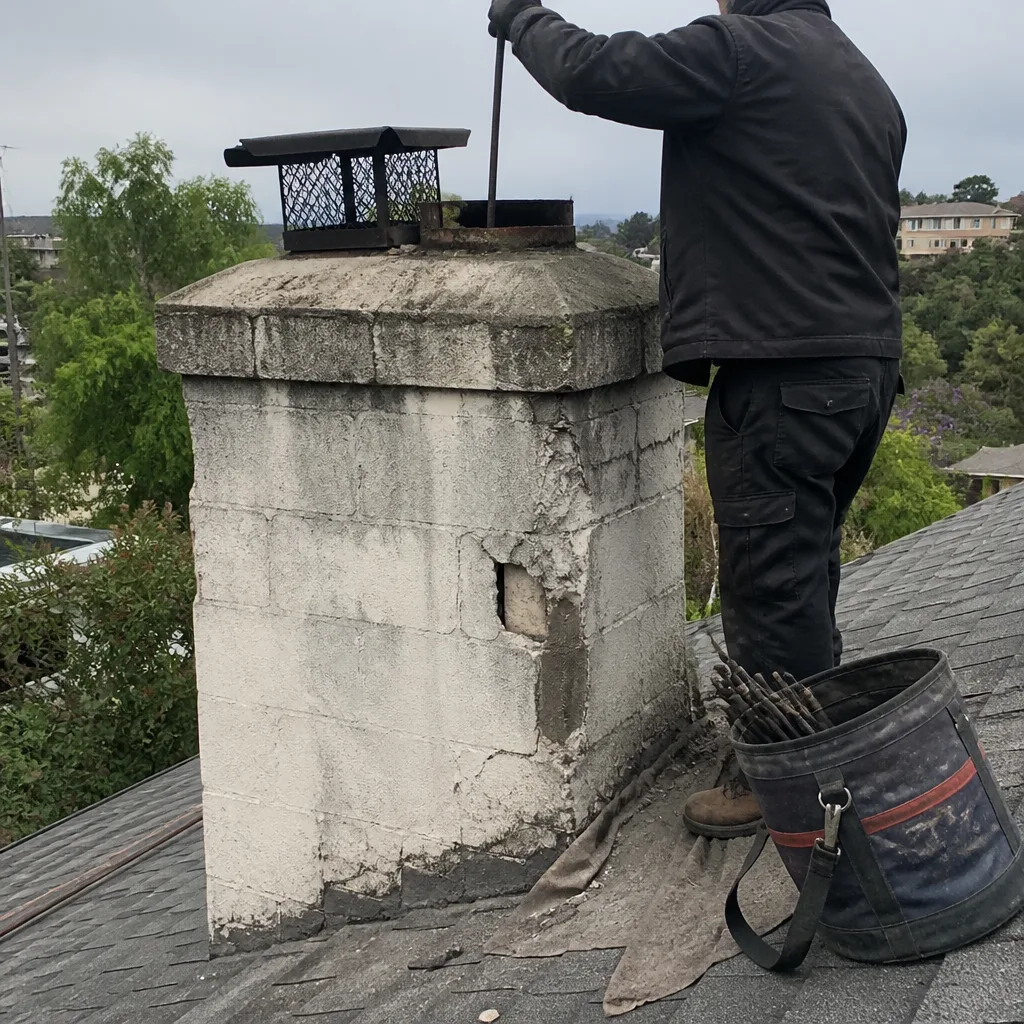
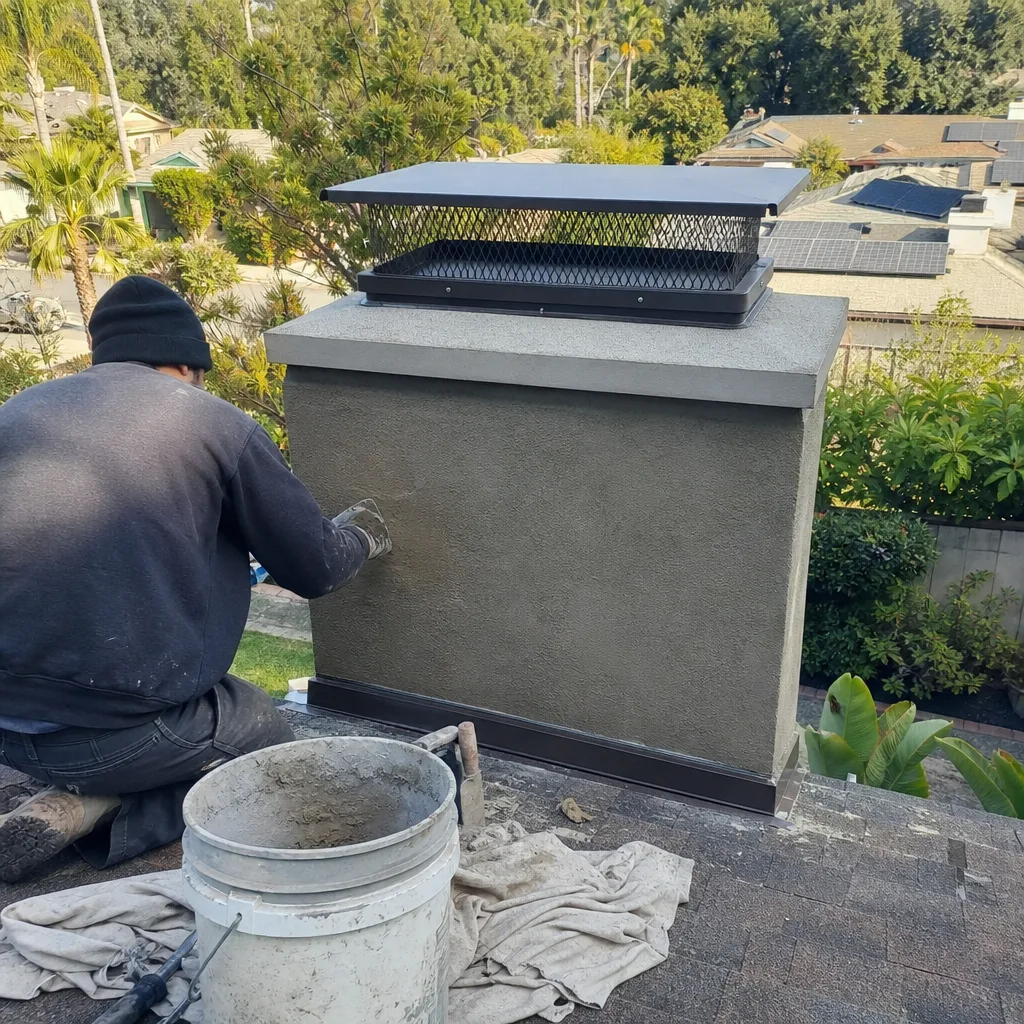
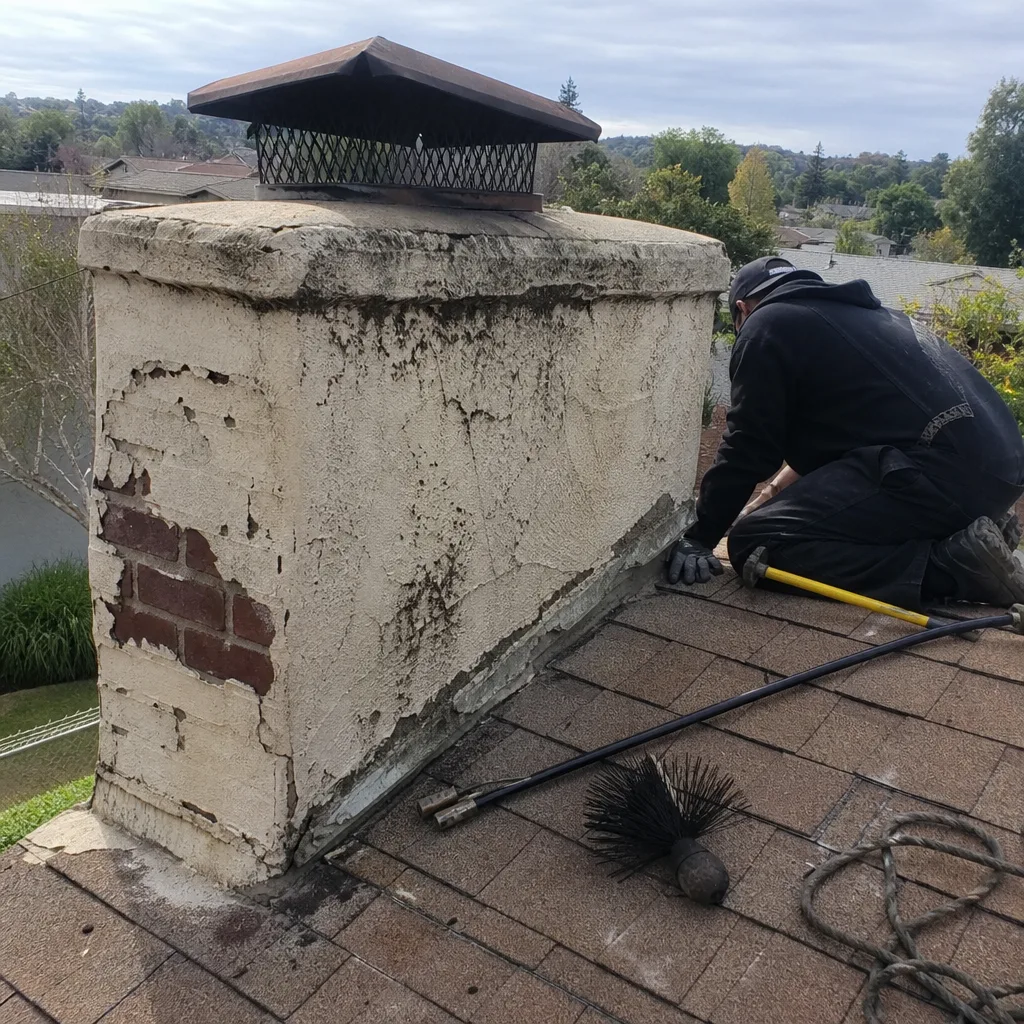
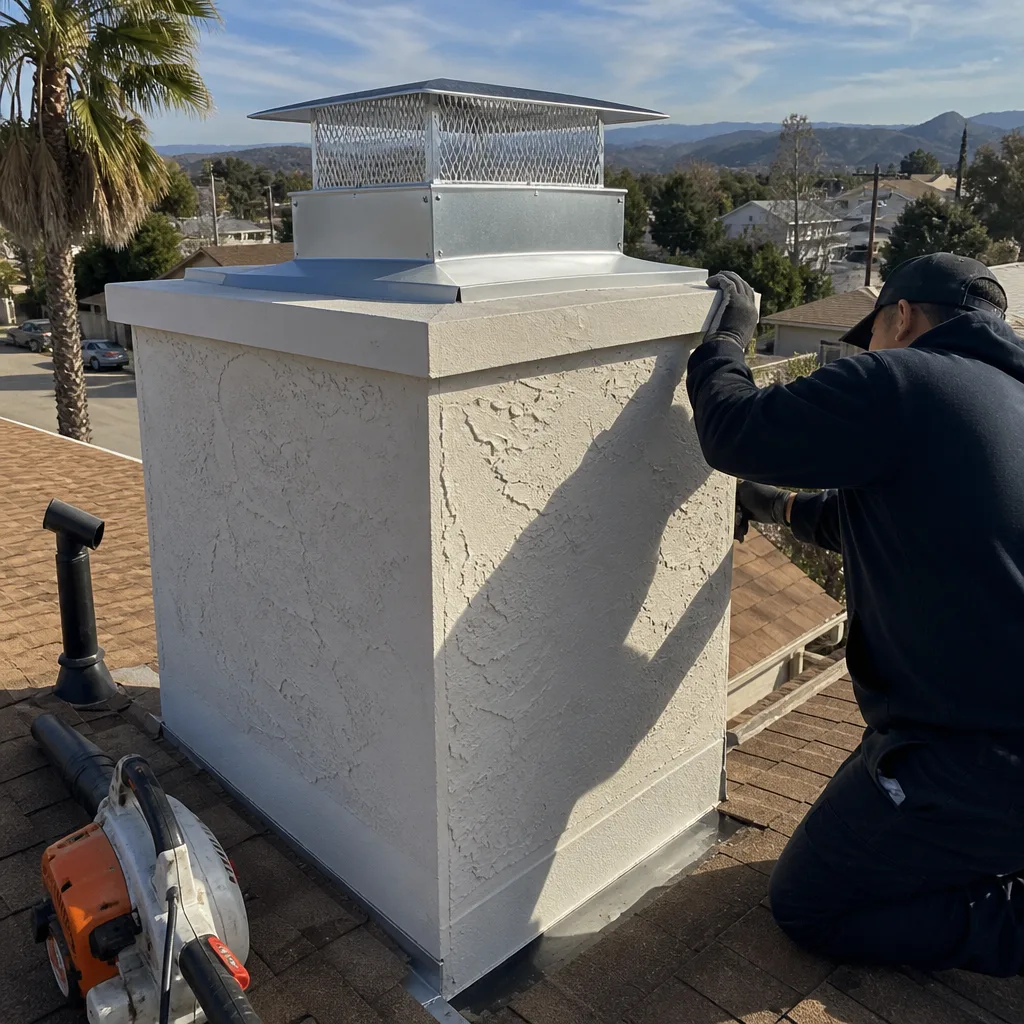
See the difference
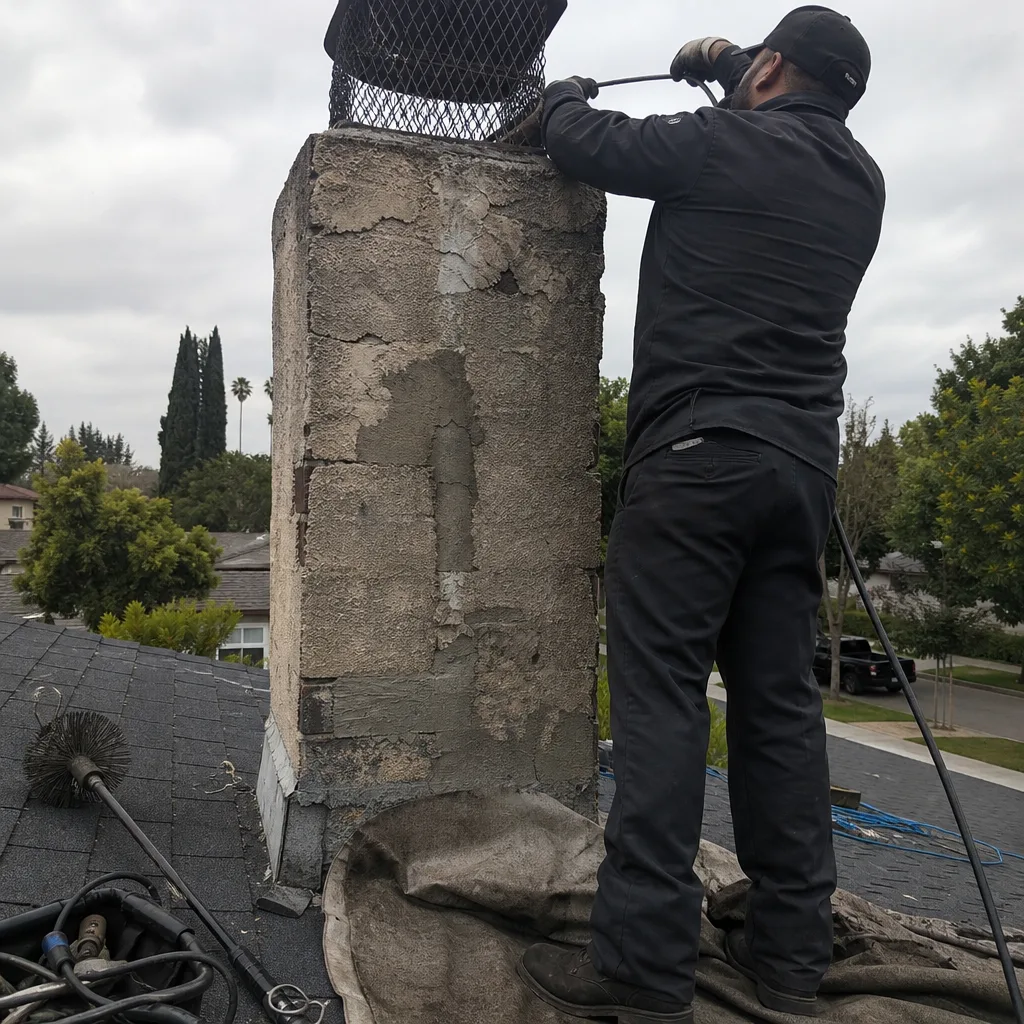 Before
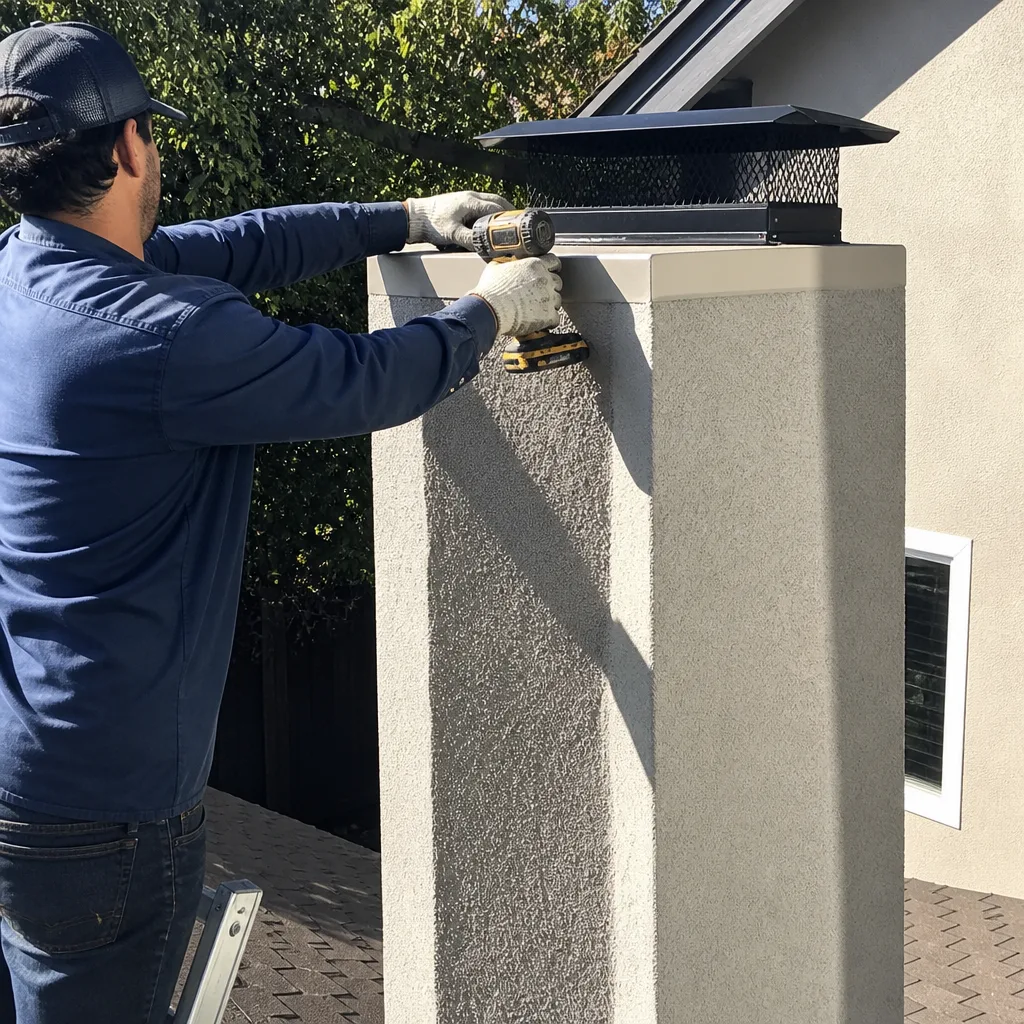 After
 Before
 After
 Before
 After