Last updated October 31, 2026
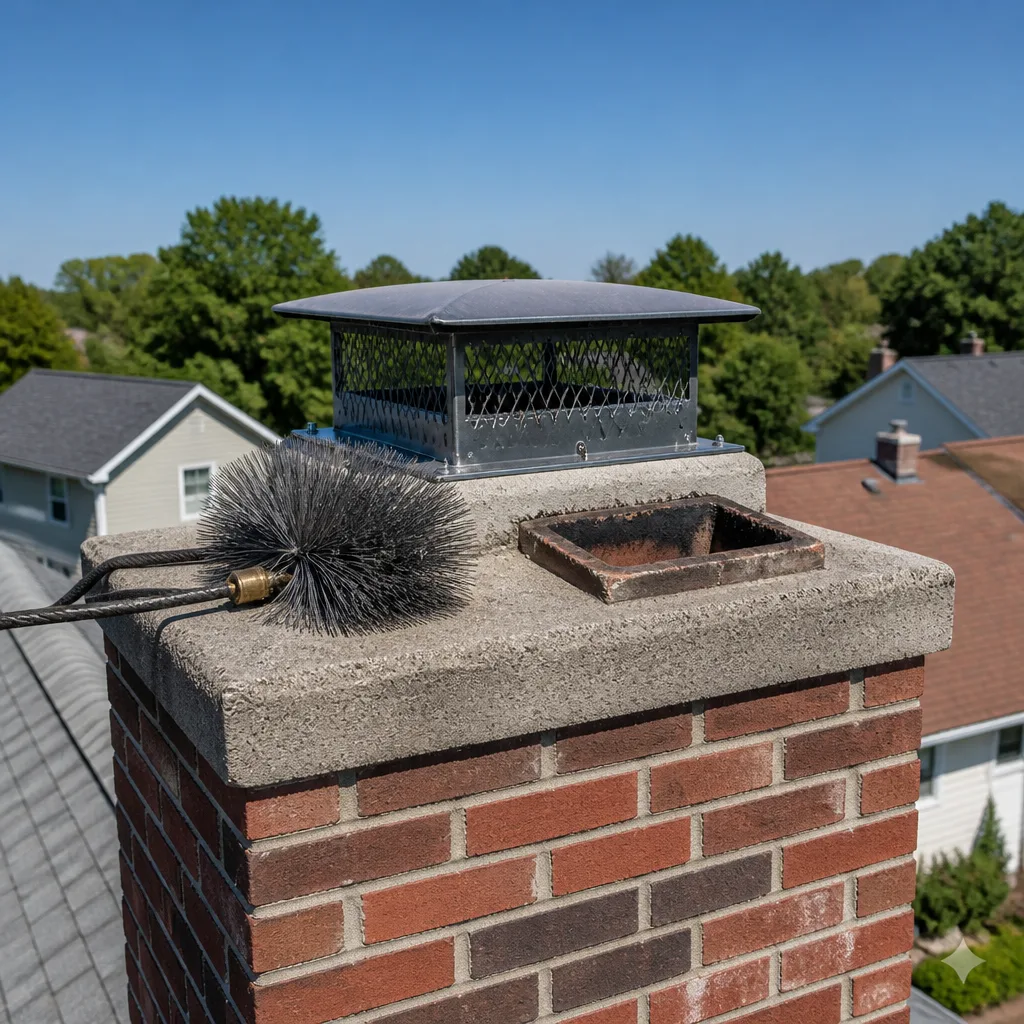 Sweep & inspection
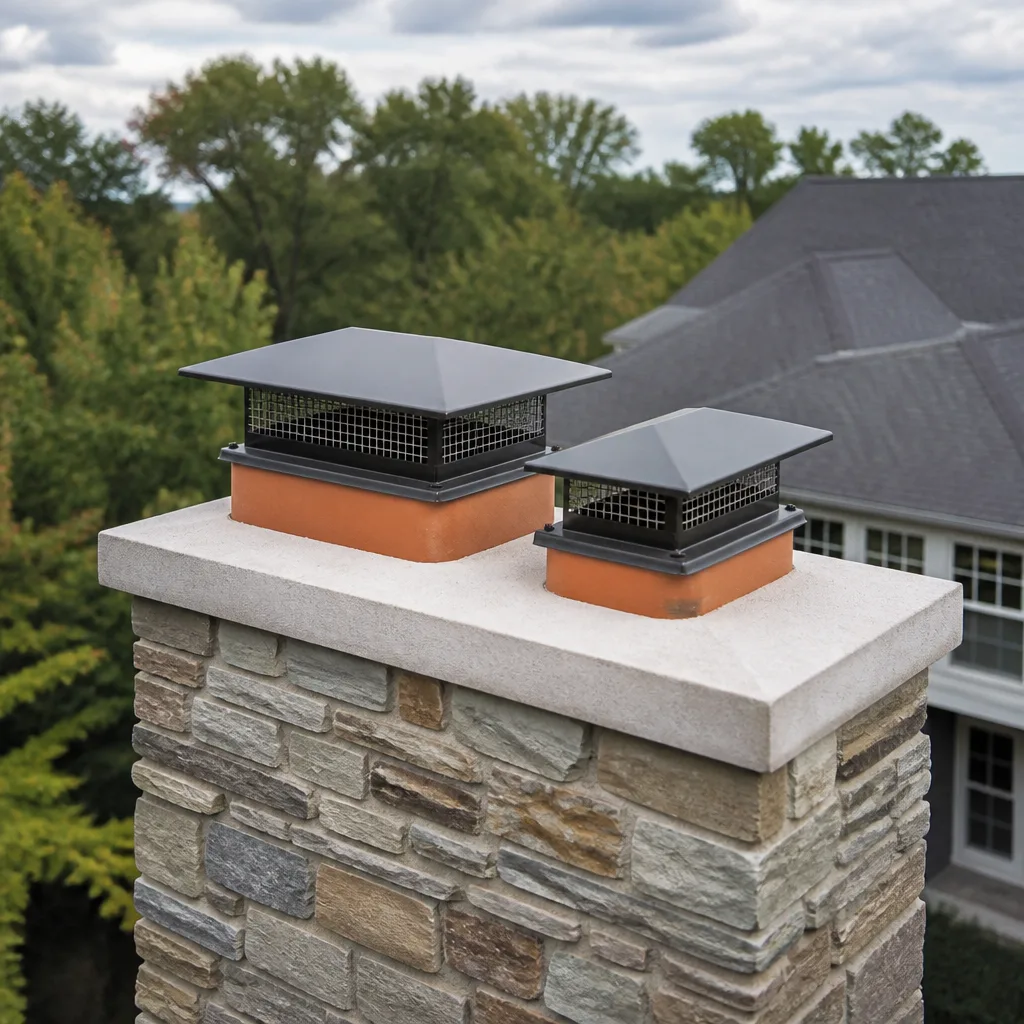 Caps & crowns
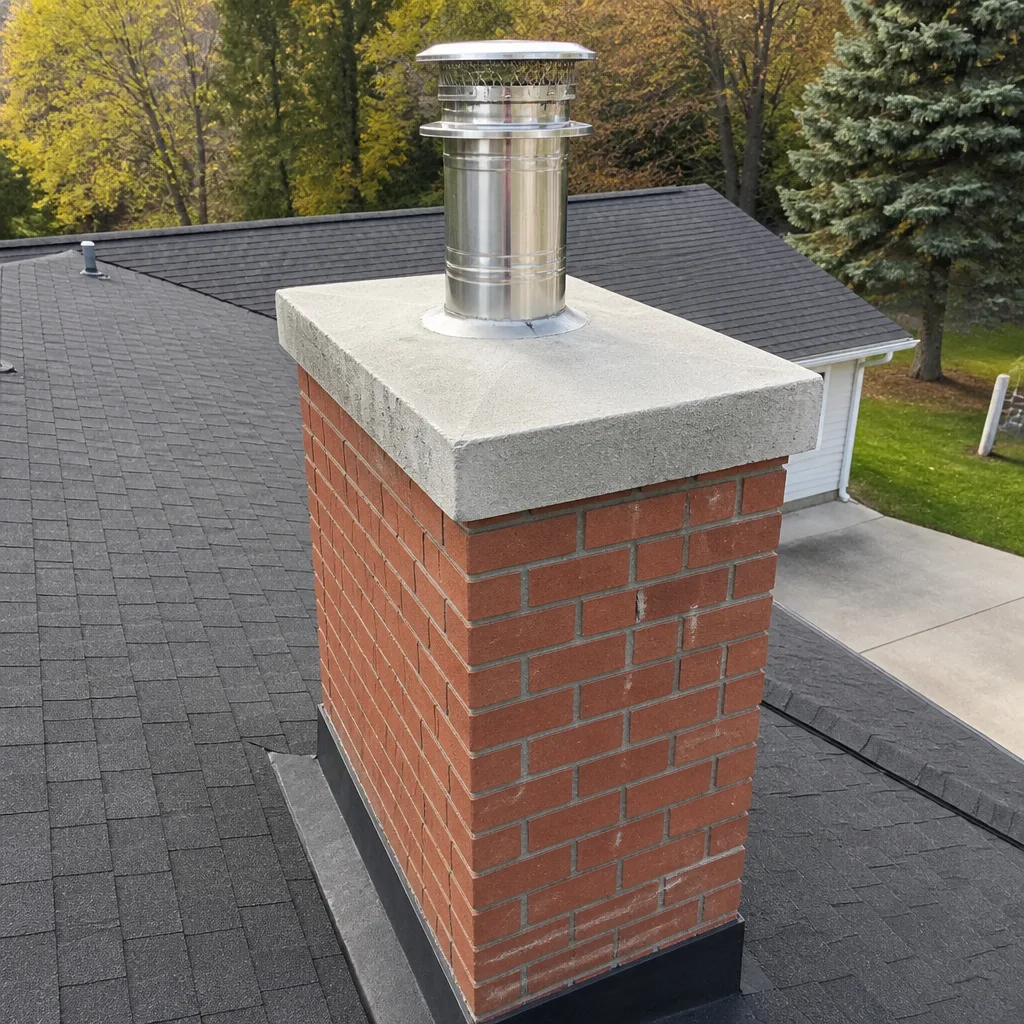 Flue relining
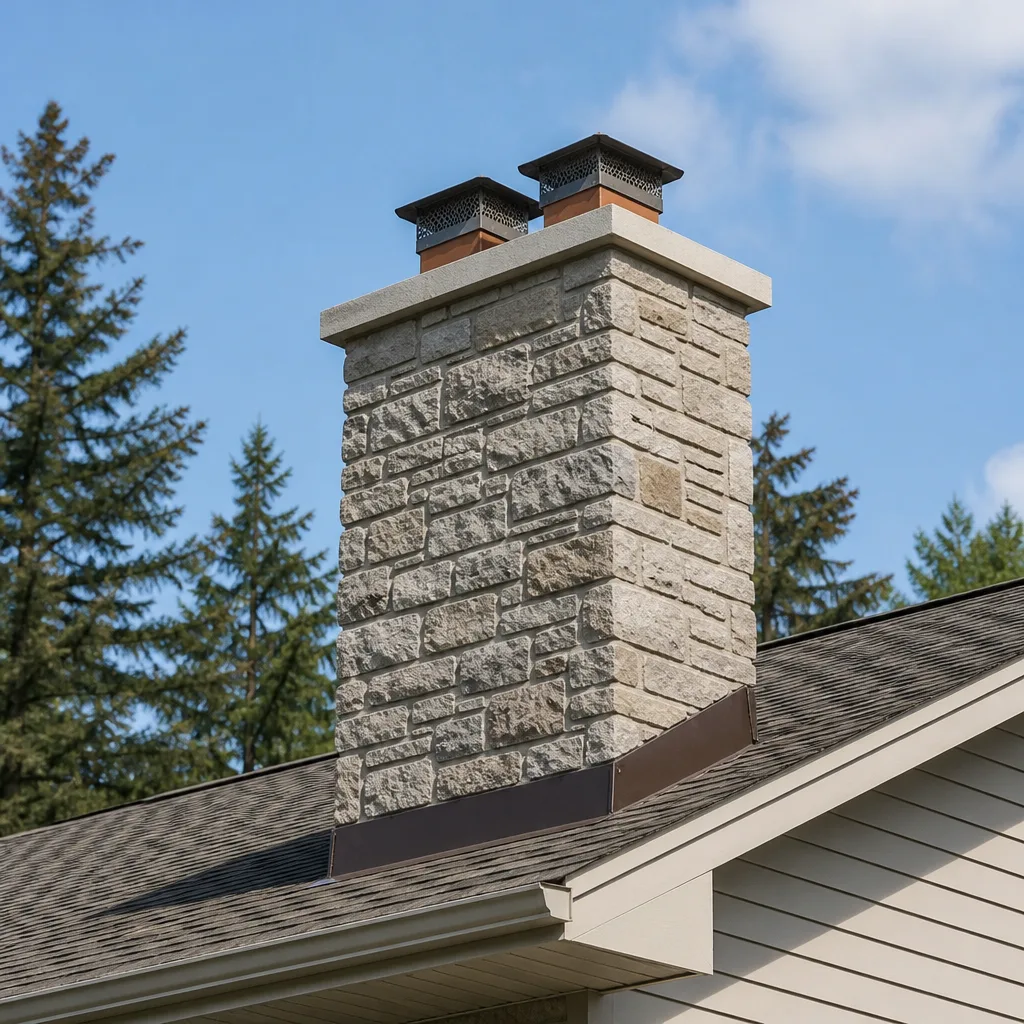 Masonry repair
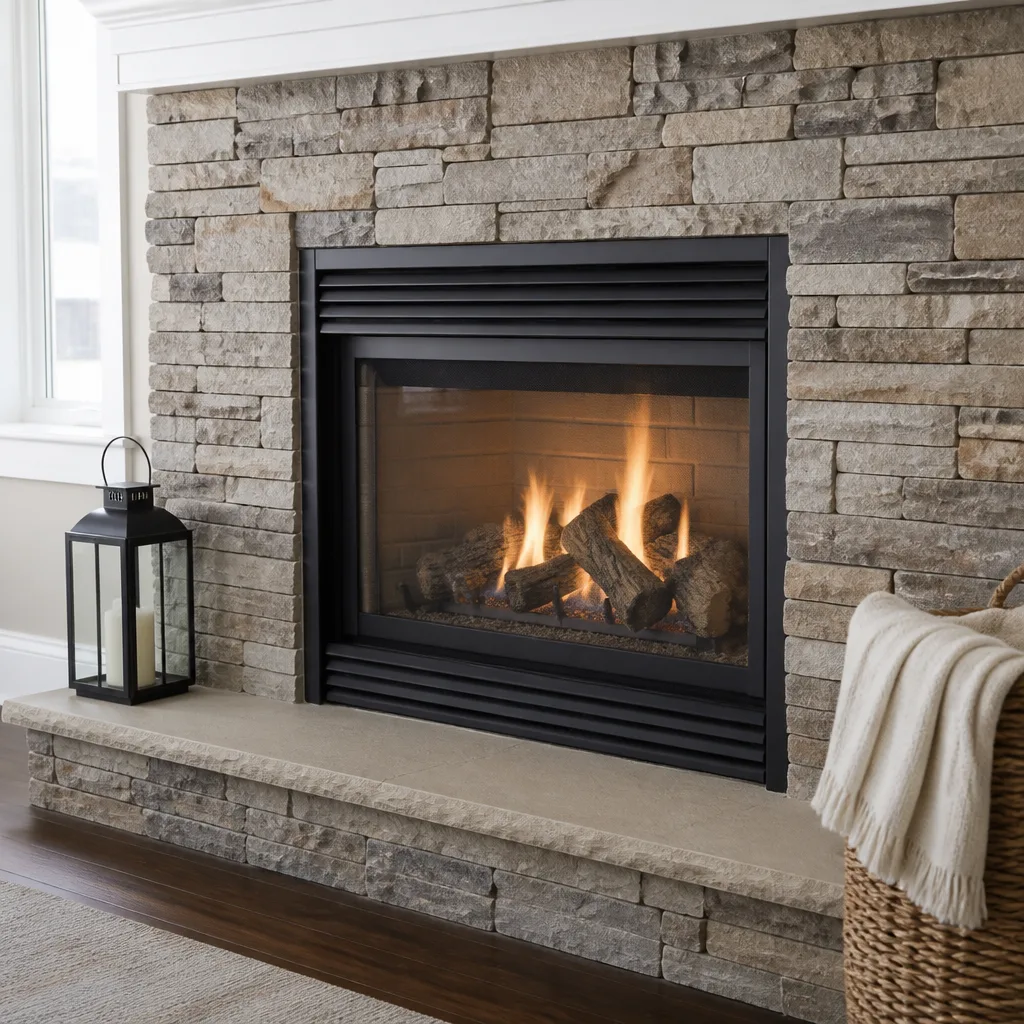 Gas fireplace service
Level 1 sweep and inspection to the NFPA 211 annual standard - flue, crown, cap, and flashing checked and photographed
Chimney sweep logs do not sweep chimneys. They loosen some creosote - which then falls where a brush and vacuum still have to collect it.
Choosing the Right Chimney Cleaning Brand: A Buyer’s Guide for Universal City
Most homeowners in Universal City spend more time researching what brand of coffee they’ll drink than what brand of chimney liner protects their home from fire. That’s a problem, because the materials a chimney contractor reaches for on the truck tell you more about their work quality than any review site ever will. A sweep who stocks professional-grade product lines has made a training and credential investment that changes everything about the job they do at your house. This guide explains what to look for in the materials behind the service, which product categories actually matter, and how to ask the right questions without getting a vague brand-name drop in return. For more guides & resources on chimney care, see our blog.
Styles & brands we work with
Quick Answer
The right chimney cleaning brand for your Universal City home is whichever company can name the specific professional-grade products they install and repair with, not just the service they perform. Our Complete Guide to Chimney Cleaning in Universal City covers what that service should include. Look for a contractor who works with recognized trade supply brands like HeatShield, Olympia Chimney, and Gelco, and who can explain why those products differ from hardware-store alternatives. If a company’s answer starts and ends with “we use good stuff,” you’re talking to a generalist, not a chimney specialist.
Table of Contents
- Why Product Brands Matter More Than Service Promises
- Professional-Grade vs. Hardware-Store Products: What Actually Differs
- Liner Repair Resurfacers: The HeatShield Difference
- Crown Coatings and Waterproofing Sealers
- Cap Materials: Stainless Steel, Copper, and Galvanized
- Why Southern California Climate Demands Better Materials
- How Product Choice Affects Warranty Eligibility
- Five Questions to Ask Any Chimney Contractor
- Common Mistakes to Avoid
- When to Call a Professional
- Frequently Asked Questions
- The Bottom Line
Why Product Brands Matter More Than Service Promises
Every chimney company in Universal City will tell you they do a thorough job. Some will say it with more charisma than others. But the products they install and repair with are harder to fake than a sales pitch. A company that stocks HeatShield resurfacing material, DuraFlex liner components, and Olympia Chimney supply parts has a working relationship with professional distributors. Those distributors don’t sell to homeowners, and they don’t sell to contractors who haven’t established trade credentials. That’s the part most homeowners never see: the material supply chain is a quiet certification system of its own.
When we look at a chimney in Universal City, the first thing that tells us whether a previous contractor did the job right is the material choice. Did they use a flue tile repair product rated for continuous high heat, or a generic mortar patch that will crack within two seasons? Did they install a stainless steel cap with a lifetime warranty, or a galvanized unit that will rust through before the next presidential election? These are not academic questions. They determine whether your chimney survives the next decade or becomes a water damage liability.
Your chimney contractor’s supplier relationship tells you more about their work quality than their Yelp rating. A company sourcing from professional-grade distributors has made a credential and training investment that hardware-store contractors haven’t. That’s not marketing language. It’s how the trade actually works.
Professional-Grade vs. Hardware-Store Products: What Actually Differs
Walk into any home improvement store in the Universal City area and you’ll find a shelf of chimney products. Caulk, sealant, maybe a basic brush kit. What you won’t find is anything close to what a certified sweep uses on a daily basis. The chemistry is different, the temperature ratings are different, and the intended user is different. Consumer products are formulated to be forgiving for a weekend DIYer. Professional products are formulated to be correct for a certified applicator. See DIY vs Professional Chimney Cleaning: The Universal City Homeowner’s Decision Guide for why that distinction matters for safety.
The differences fall into a few specific categories:
- Temperature tolerance. A consumer fireplace caulk might be rated for 400 degrees Fahrenheit. A professional-grade crown coating from Gelco or a comparable line is engineered for the repeated heating and cooling cycles of a working chimney, which can swing 200 degrees in under an hour during a Southern California winter evening.
- Adhesion chemistry. Professional repair materials use polymer formulations that bond to masonry at a molecular level. Hardware-store substitutes often rely on surface adhesion, which is why they fail within a year or two when water gets behind them and the freeze-thaw cycle starts doing its work. Yes, even in Los Angeles, micro-thermal expansion matters.
- Application training. Products like HeatShield are not sold as “apply and hope.” They require applicator certification. The manufacturer restricts distribution to contractors who have completed training, which means the product’s performance is tied to the installer’s demonstrated competence, not just their self-description.
- Warranty backing. Professional product lines carry manufacturer warranties that are only valid when installed by a certified applicator. Buy a consumer sealant and install it yourself: the warranty covers the tube, not your chimney.
When someone in Universal City asks us to assess a chimney that a generalist contractor repaired two years ago, we typically find the same pattern. The right concept was there, but the wrong material was used, and the fix didn’t last. Professional-grade materials, not hardware-store substitutes, are the difference between a repair that lasts fifteen years and one that lasts fifteen months.
Liner Repair Resurfacers: The HeatShield Difference
If you only learn one product category from this guide, make it liner repair resurfacers. The flue liner is the inner wall of your chimney, the surface that contains combustion gases, heat, and creosote. When a clay tile liner cracks due to age, seismic movement, or a chimney fire, the cracks become pathways for heat and carbon monoxide to reach the home’s structure. A full liner replacement used to be the only answer. Resurfacing systems changed that.
HeatShield is the product name that matters most in this category. It’s a cerfractory (ceramic refractory) material specifically engineered to restore damaged flue liners without removing the existing masonry. The material is applied in a specific process that seals cracks, fills voids, and creates a smooth, insulated interior surface. The key distinction from anything you’ll find at a hardware store is that HeatShield is a proprietary system, not a bucket of mortar with a fancy label. Its applicators are trained and certified by the manufacturer, and the system carries specific performance ratings for flue environments.
Why does this matter for Universal City homeowners specifically? Because the seismic activity common to Southern California puts stress on masonry chimneys in ways that other regions don’t experience. Small earthquakes and ground movement can create hairline fractures in clay tile liners that go unnoticed until they become dangerous. A resurfacing system applied correctly closes those pathways and restores a continuous internal surface. A contractor who offers this service has made a real investment in training and certification. A contractor who doesn’t offer it will typically recommend either a full teardown or will simply not identify the problem at all, because they don’t have the tool for the job.
From sweep to reline, the capability arc of a chimney company tells you whether they’re equipped to handle what they find during an inspection. Companies that clean and repair with professional-grade systems don’t have to refer you elsewhere mid-job.
Crown Coatings and Waterproofing Sealers
The chimney crown is the concrete slab at the top of the chimney, the part that sheds water away from the flue and the masonry below. It’s a deceptively important component. A cracked or deteriorated crown lets water penetrate into the chimney structure, which leads to spalling brick, deteriorated mortar joints, and eventually structural repair that costs thousands of dollars. In Universal City, the damage starts with UV exposure. Constant sun beats on the crown surface, thermal cycling causes micro-movement, and small cracks begin to form. Once water enters, it expands and contracts with temperature changes, and the cracks get bigger.
Professional crown coatings are designed for this environment. Products in the Gelco line, for example, are formulated as flexible, waterproof membranes that bridge small cracks and move with the crown material through thermal cycles. They’re not rigid sealants that trap moisture. They’re breathable barriers that allow vapor to escape while keeping liquid water out. A hardware-store concrete patcher does the opposite: it fills the visible crack but creates a rigid seal that fractures when the crown moves, and it doesn’t address the underlying waterproofing function.
When you see a chimney crown that has been coated with a professional-grade flexible membrane, you can usually tell because the surface is uniform, slightly elastomeric to the touch, and shows no hairline cracks even after several years. When you see a crown that was patched with off-the-shelf cement, you can usually tell within a single rain season.
The same logic applies to masonry waterproofing sealers for the chimney body itself. A professional siloxane-based sealer penetrates into the masonry and chemically bonds to the material, creating a water-repellent surface that doesn’t change the appearance of the brick. Consumer-grade sealants often form a film on the surface that traps moisture behind it, which accelerates spalling. These are opposites, and they look identical to the untrained eye.
Cap Materials: Stainless Steel, Copper, and Galvanized
The chimney cap is the smallest component that does the biggest job: keeping rain, birds, squirrels, and debris out of the flue. It’s also the component where material shortcuts are most visible. The three common materials for chimney caps are galvanized steel, stainless steel, and copper, and they exist on very different ends of the durability spectrum.
- Galvanized steel. Common at hardware stores and from generalist contractors. The zinc coating protects the steel underneath, but once that coating is compromised by UV exposure, rain, and the acidic compounds in creosote and flue gases, the steel begins to rust. In Universal City’s coastal-adjacent air, galvanized caps typically show rust within two to five years. They’re cheap to install and expensive to replace when you factor in the labor.
- Stainless steel. The professional standard for most homes. 304 or 316 stainless steel resists corrosion from both weather and flue gases, maintains its structural integrity for decades, and carries manufacturer warranties that range from 10 years to lifetime. Professional chimney supply distributors like Olympia Chimney and Copperfield stock stainless steel caps in full size ranges because their contractor customers won’t accept product callbacks for rusted caps.
- Copper. A premium aesthetic choice with real functional benefits. Copper won’t rust, develops a patina over time, and can last the life of the home. It costs more up front, and it’s not necessary for every installation, but it’s the right choice for Universal City homes where the chimney is architecturally prominent and the homeowner values appearance as much as function.
Here’s the practical takeaway: if a contractor quotes you a price that’s significantly lower than competitors for a chimney cap installation, ask what material they’re using. The answer is usually galvanized. If the answer is stainless steel, ask for the grade. 304 is adequate for most applications. 316 is better for coastal environments with salt air. A contractor who can’t answer those questions doesn’t know their materials.
Why Southern California Climate Demands Better Materials
Universal City sits in a climate that’s deceptively hard on chimneys. The lack of harsh winters doesn’t mean the chimney has an easy life. It means the chimney faces a different set of stressors that most national chimney advice doesn’t address.
UV exposure. Southern California gets more than 280 days of sun per year. UV radiation breaks down organic compounds in sealants, causes plastics and polymers to become brittle, and accelerates the deterioration of any coating that wasn’t formulated for high-UV environments. Consumer-grade chimney products often don’t include UV stabilizers in their formulations. Professional-grade products do, because the manufacturers know their contractor customers work in real-world environments, not idealized test conditions.
Seismic movement. The Chino Hills fault, the Hollywood fault, and the larger San Andreas system all put Universal City’s masonry chimneys under periodic stress. Every small earthquake is a flex test for the chimney structure and the materials used to repair it. Rigid repairs fail under flex. Flexible professional products, like the elastomeric crown coatings and cerfractory liner materials described above, are designed to move with the structure. That’s not a bonus feature in Southern California. It’s the difference between a repair that survives the next earthquake and one that doesn’t.
Wildfire-adjacent heat stress. Universal City homes don’t need to be in the direct path of a wildfire to experience heat effects. Ambient temperatures during fire season routinely reach into the 90s and 100s, and the air carries particulate matter that settles on chimney surfaces and mixes with moisture to create mildly acidic compounds. Over time, that eats away at exterior masonry and metal components. Materials that resist chemical degradation from airborne particulates are genuinely important here.
This is the reason product choices matter more in Universal City than in, say, Minneapolis. The failure mode isn’t freeze-thaw. It’s UV embrittlement, seismic flex, and particulate-driven corrosion. Different problems require different material strategies, and a chimney contractor who sources from professional supply lines is tuned into those regional specifics.
How Product Choice Affects Warranty Eligibility
Here’s something most homeowners never think about: the warranty on a chimney repair often depends on who installed it, with what product, and whether that installer is certified by the manufacturer. A HeatShield liner resurfacing, for example, carries a warranty that is only valid when a HeatShield-certified applicator performs the installation. Hire a general contractor who somehow gets their hands on the material and applies it without certification, and you have no warranty at all. The product might work perfectly, or it might not. But you have no manufacturer backing if something goes wrong.
The same pattern applies to professional-grade liner systems. DuraFlex flexible liner components are distributed through professional channels, and their performance warranties are tied to installation by trained professionals. That’s not a marketing gimmick. It’s a quality control system. The manufacturer has no way to verify the installation quality of an uncertified contractor, so they don’t extend warranty coverage to those installations. A certified contractor’s relationship with the manufacturer becomes part of what the homeowner is paying for.
This is why asking about warranties is one of the most revealing questions you can put to a chimney contractor in Universal City. A professional who works with manufacturer-certified systems will be able to show you the warranty documentation, explain the terms, and tell you exactly who to contact if something fails. A contractor who works with hardware-store substitutes will typically say the work is “guaranteed” but can’t produce anything in writing beyond their own word. A verbal guarantee is only as good as the person who gave it, and if that person is unreachable in five years, the guarantee is worthless.
Five Questions to Ask Any Chimney Contractor
The right questions separate a materials-literate specialist from a generalist in about ninety seconds. Here’s what to ask, and what a good answer sounds like.
- “What specific product line do you use for liner repair or resurfacing?” A materials-literate contractor will name the product immediately: HeatShield, or a comparable professional system. They’ll explain what it is, how it works, and why they chose it. A vague answer (“we use industrial-grade materials”) means they’re either not trained on any specific system or they’re hoping you won’t follow up.
- “Where do you source your chimney caps and liner components?” Listen for distributor names: Olympia Chimney Supply, Copperfield, or similar professional channels. These names indicate a trade-level supply chain. “The hardware store” or “our supplier” with no detail indicates a different tier of operation entirely.
- “Are you certified to install the repair products you recommend?” For any proprietary system like HeatShield, the answer should be yes, and the contractor should be able to show a certification or at least reference the training. For general chimney cleaning, look for CSIA certification or equivalent. The point isn’t the piece of paper. It’s that the contractor cared enough to get trained.
- “What warranty comes with the materials you’re installing, and who backs it?” Professional products carry manufacturer warranties. The contractor should be able to name the warranty length and the manufacturer. A contractor who only offers their own workmanship guarantee is either using consumer-grade materials or doesn’t understand the warranty structure of their own products.
- “What do you do when you find a problem beyond cleaning during an inspection?” A full-service company will handle the diagnosis and repair in-house. A clean-only operator will refer you out. Neither is disqualifying by itself, but you should know which one you’re talking to before you schedule. Most Universal City homeowners want one call, full system: a company that can sweep the chimney, identify a liner problem, and fix it without coordinating a second contractor.
Common Mistakes to Avoid
- Hiring based on price alone. A $99 chimney sweep special usually means the company is using the cleaning as a loss leader to upsell other services, or they’re cutting corners on materials and training. In Universal City, professional chimney sweeping with a camera inspection typically runs higher than the discount ads suggest. The price difference reflects the equipment and the thoroughness.
- Assuming all caps are the same. A galvanized steel cap and a stainless steel cap perform completely differently over a ten-year span. If you don’t ask about material, you’ll probably get galvanized, because it’s the cheapest option that technically fulfills the function on day one.
- Ignoring the type of sealant used on the crown. Hardware-store patchers and professional-grade flexible crown coatings are not interchangeable. One lasts a season. The other lasts a decade. The contractor’s choice here is an honesty test, because most homeowners will never climb up to check.
- Not asking about the liner inspection method. A visual inspection from the top or bottom is limited. A camera inspection shows the entire flue surface. If a contractor recommends a major repair without a camera inspection, ask how they made the diagnosis. You have a right to see the evidence.
- Treating dryer vent cleaning as an afterthought. Your dryer vent is a venting system, not an afterthought. It carries lint, heat, and moisture out of your home, and when it’s clogged, it’s a documented fire hazard. A chimney company that also handles dryer vent cleaning understands venting systems holistically. A company that only does chimneys might not even mention it.
- Failing to ask about seismic damage history in Universal City. Homes in this area have been through decades of minor seismic events. Ask any contractor to look for hairline cracking in the crown, mortar joints, and flue liner as part of a standard inspection. A professional with local experience will do this automatically.
- Believing a clean chimney doesn’t need inspection. The visual state of the flue surface tells you more than the amount of creosote. Small cracks can exist in an otherwise clean chimney. The inspection is the important part. The cleaning is the prerequisite for a good inspection.
When to Call a Professional
Some chimney situations are obviously beyond DIY: visible smoke backing into the room, a strong creosote smell, water stains on the ceiling near the chimney chase. Others are subtler. Hairline cracks in the crown that you can only see from a ladder. A flue liner that looks okay on visual inspection but has hidden deterioration. A dryer vent that seemed fine last year but has been running longer cycles this season. These are not scenarios where a weekend fix is appropriate, and they’re not scenarios where generic hardware-store products will solve the real problem.
If you’re in Universal City and you want a chimney professional who can specify materials by name, show you camera evidence of any recommended repair, and handle the full venting system from chimney to dryer vent without referring you elsewhere, Causeway Chimney Sweep home is a good place to start. We offer free estimates in Universal City. Call (877) 500-2276.
Frequently Asked Questions
Professional chimney sweeps don’t really use “cleaning brands” in the way homeowners might imagine. The brush and rod systems vary by manufacturer, but the more meaningful distinction is in the repair and relining products: HeatShield for liner resurfacing, DuraFlex for flexible liner systems, Gelco for crown coatings and sealants, and Olympia Chimney or Copperfield as professional supply distributors. A sweep who names these product lines is operating at a trade level, not a consumer level.
A professional chimney sweep in Universal City typically falls in the $180 to $340 range for a standard cleaning with a camera inspection, depending on chimney height, accessibility, and whether it’s a masonry or prefab system. For full details on what to expect, see The Complete Chimney Sweep Guide for Universal City Homeowners. Discount sweeps under $100 usually lack camera inspection and exist primarily as a lead-generation tactic. If a repair is quoted, ask for camera evidence before agreeing. Call (877) 500-2276 to get a specific quote for your home.
Yes, and for three reasons specific to Universal City. First, UV exposure degrades crown coatings and masonry sealants even when the fireplace is never used. Second, seismic movement creates hairline cracks that become water entry points. Third, if your chimney vents a gas appliance rather than a fireplace fire, it’s still moving combustion gases and needs annual inspection. An unused masonry chimney is still a structural component of your home.
The National Fire Protection Association standard is an annual inspection, with cleaning based on what the inspection finds. If you burn wood regularly in Universal City, you’ll likely need a cleaning every year. If you use the fireplace occasionally or vent a gas appliance, every one to two years may be sufficient. The key is that the inspection happens regardless, because the liner condition matters even when creosote buildup is minimal.
A sweep-only company cleans chimneys and may offer basic maintenance like cap installation. A full-service company like Chimney Sweep in Universal City handles sweeping, inspection, and full repair scope including liner replacement and resurfacing. The distinction matters because a sweep-only operator who finds a crack in your flue liner will refer you to someone else, which means coordinating contractors, losing time, and often paying a diagnosis fee twice. A company that handles Chimney Repair in Universal City in-house takes you from diagnosis to resolution without a handoff.
Yes, and a full-service venting company will. Dryer vent cleaning is not an add-on gimmick; it’s a safety-focused core service with the same venting principles as chimney work. Lint accumulation is a leading cause of house fires, and the same company that understands airflow, drafting, and vent termination for chimneys is well positioned to handle dryer venting. If you’re looking for Dryer Vent Cleaning in Universal City, ask whether the chimney company you’re considering handles it in-house rather than subcontracting it out.
Ask for camera evidence. A legitimate diagnosis of liner damage will include footage or still images showing the crack, spalling, or separation that requires repair. If the contractor can’t produce visual evidence, get a second opinion from a materials-literate professional before authorizing a multi-thousand-dollar repair. This is one of the most common upsell scenarios in the chimney industry, and it’s why we always show homeowners what we’re seeing before recommending anything.
The Bottom Line
The right chimney cleaning brand in Universal City is not a brand name on a brush. It’s a company with a professional-grade materials portfolio: HeatShield for liner resurfacing, Gelco for crown coatings, Olympia Chimney and Copperfield for supply chain access, DuraFlex for relining capability. These products are not available at hardware stores because they require training, certification, and distributor relationships to obtain. A contractor who uses them has made a real investment in their craft. A contractor who can’t name what they use probably isn’t offering the same level of work. Ask the questions, demand to see the camera evidence, and choose a company that specifies by name. Your chimney, your dryer vent, and your home’s structure are all part of the same venting ecosystem, and that ecosystem deserves a professional, not a generalist.
Written by the team at Causeway Chimney Sweep, serving Universal City since 2015.
See the difference
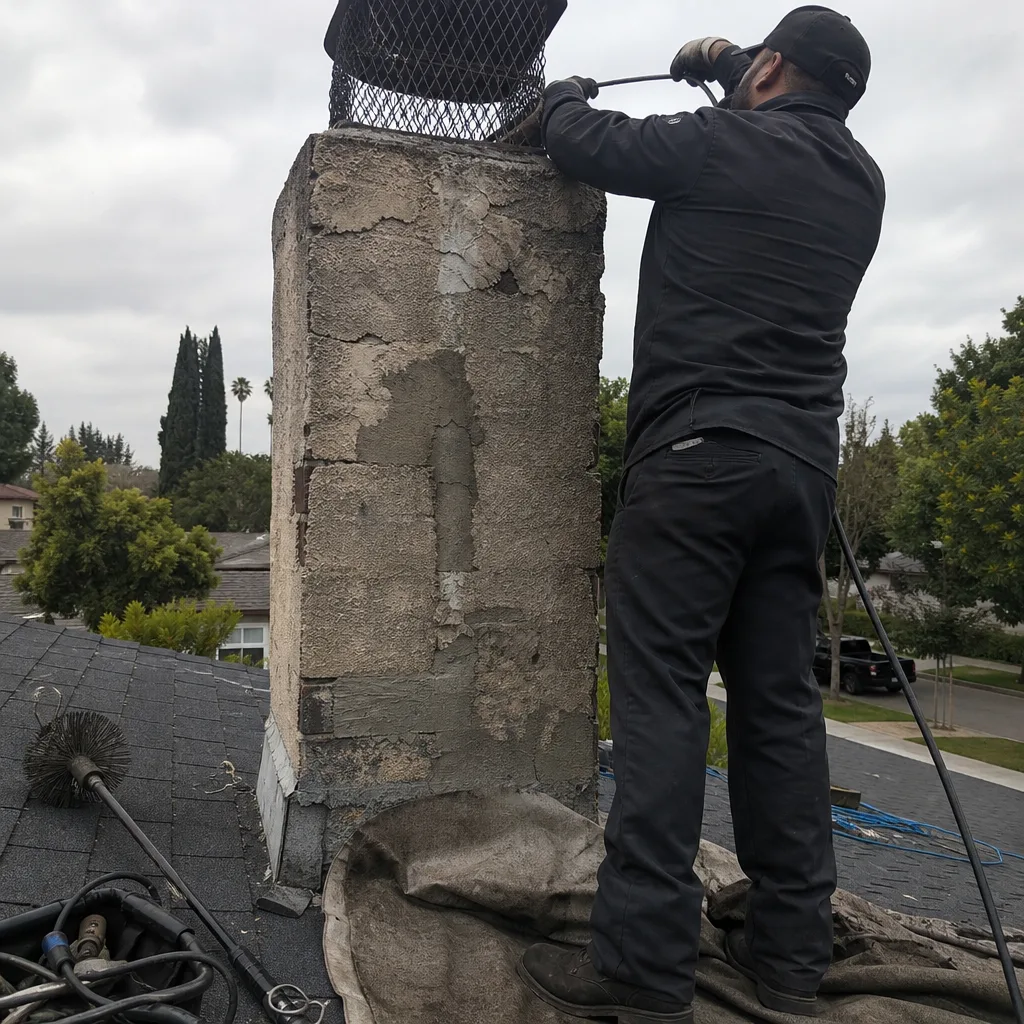 Before
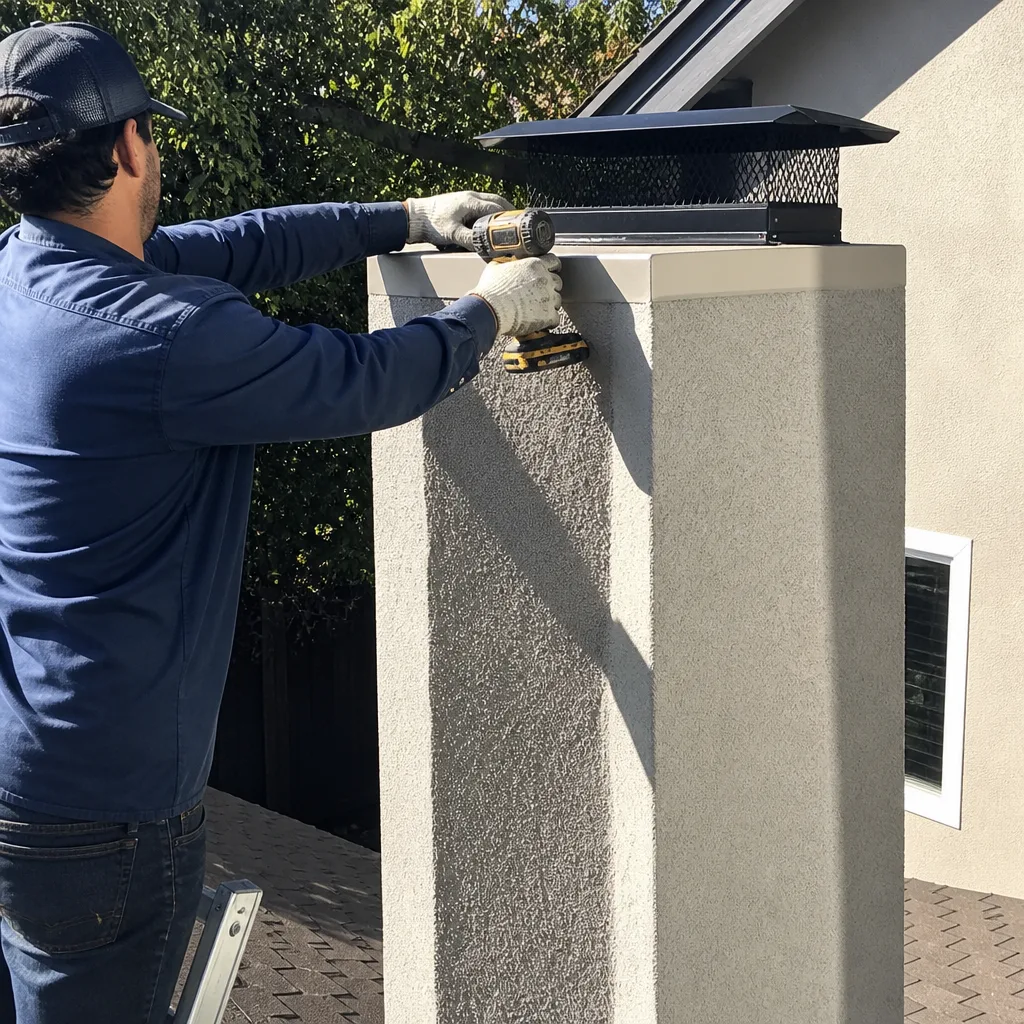 After
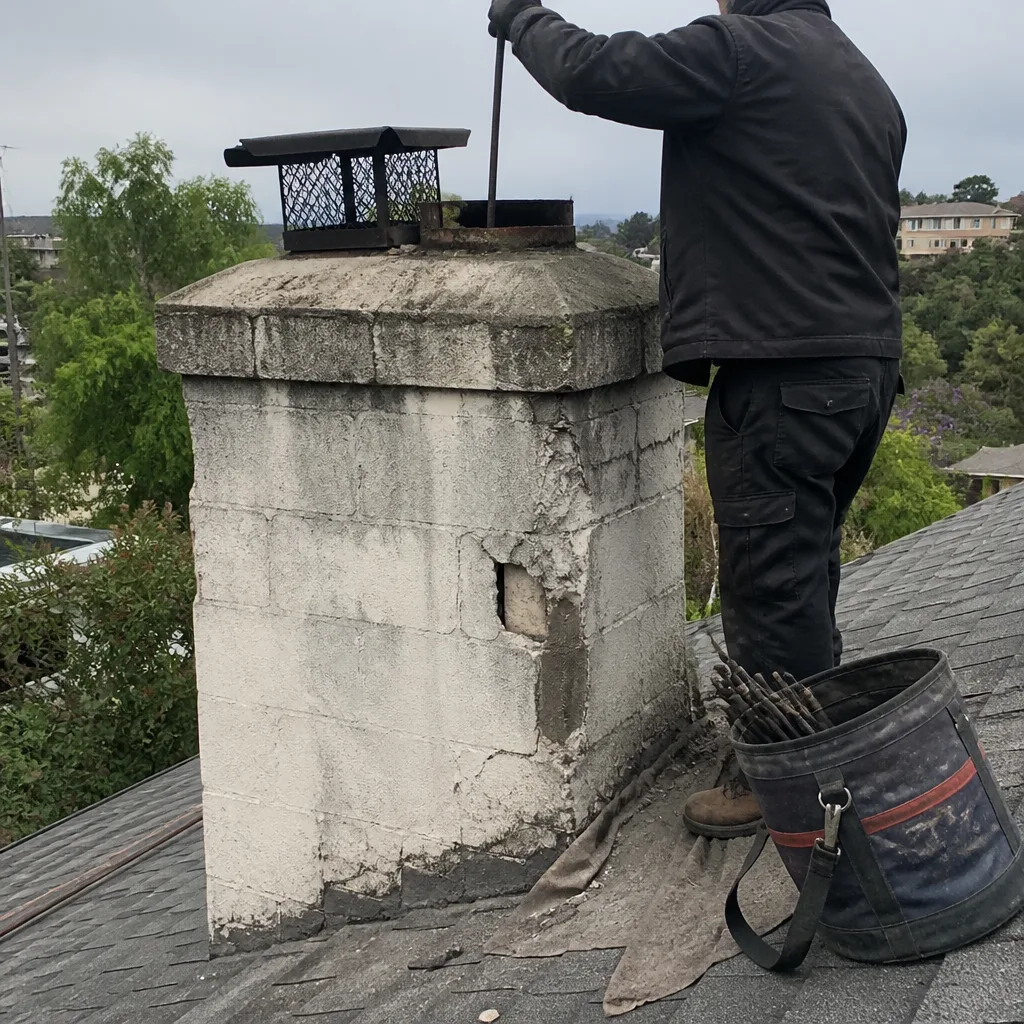 Before
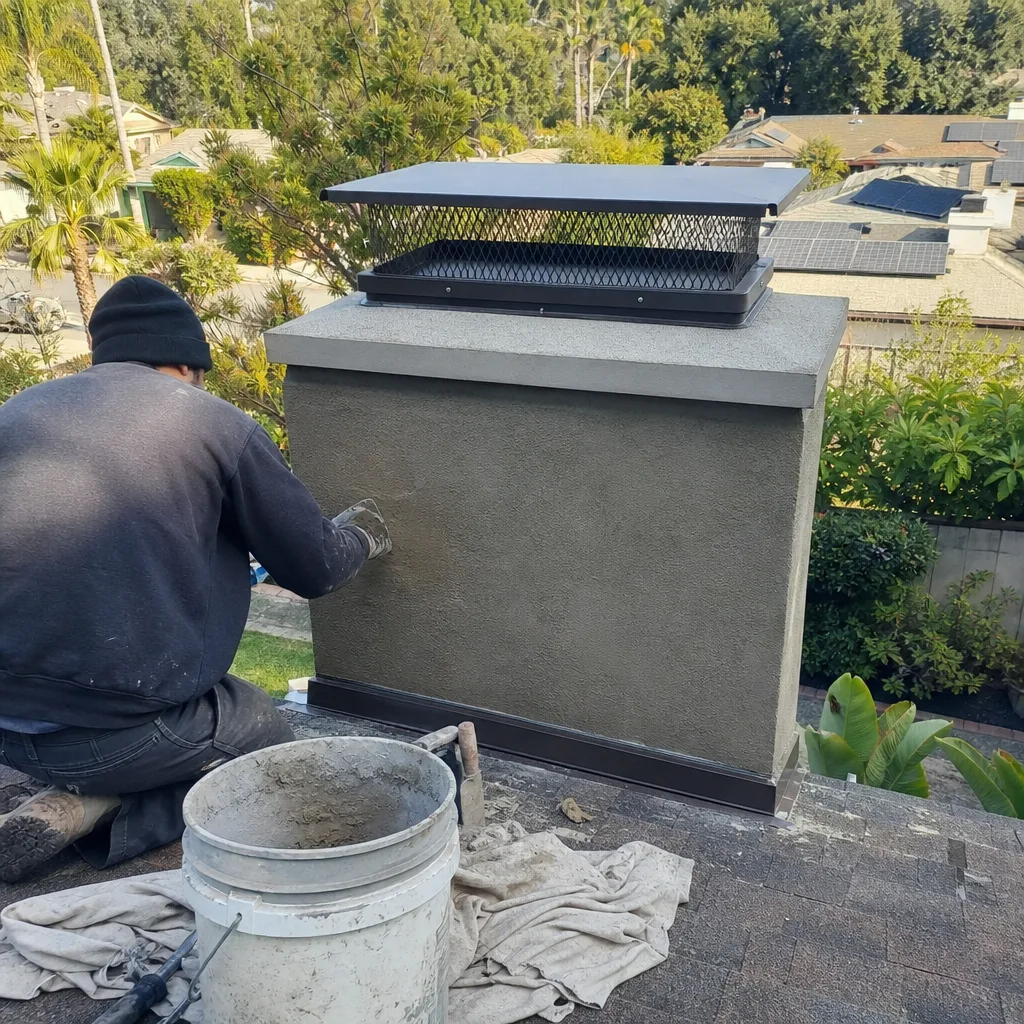 After
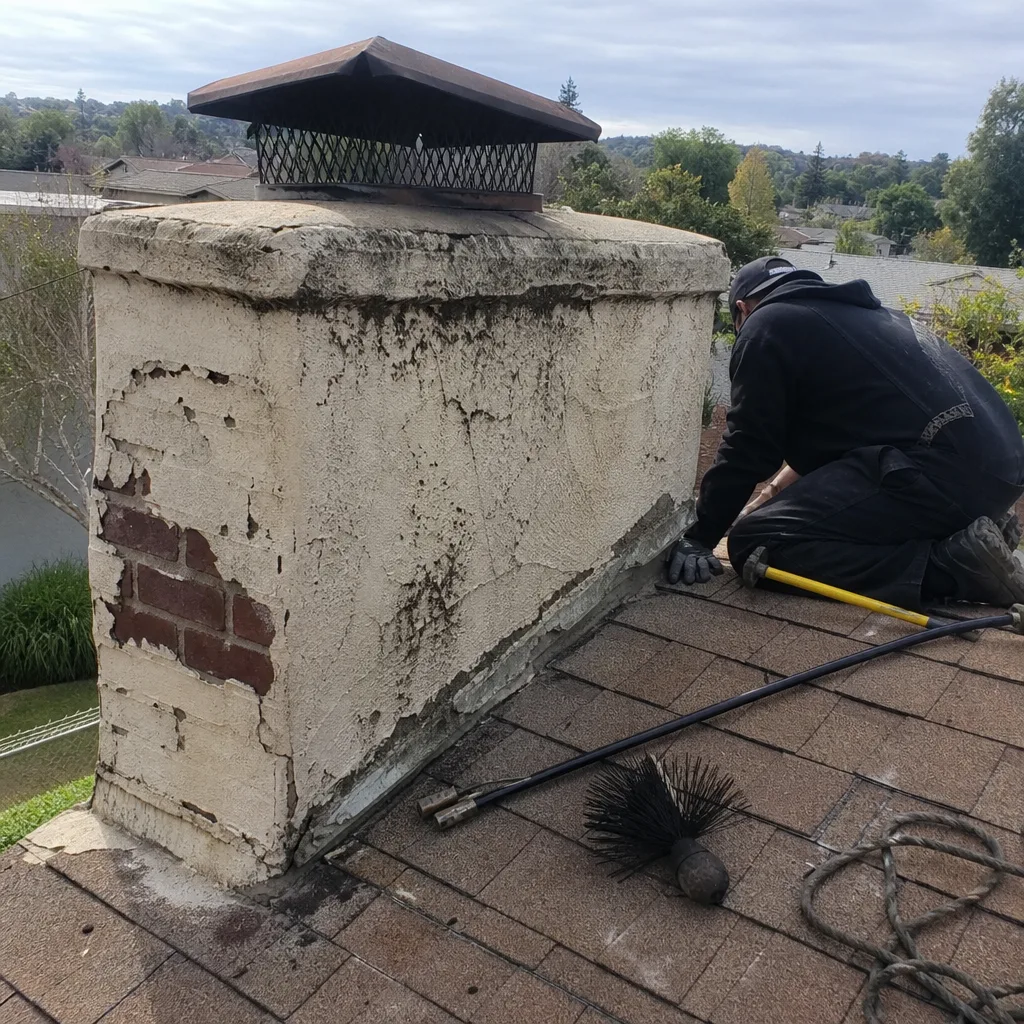 Before
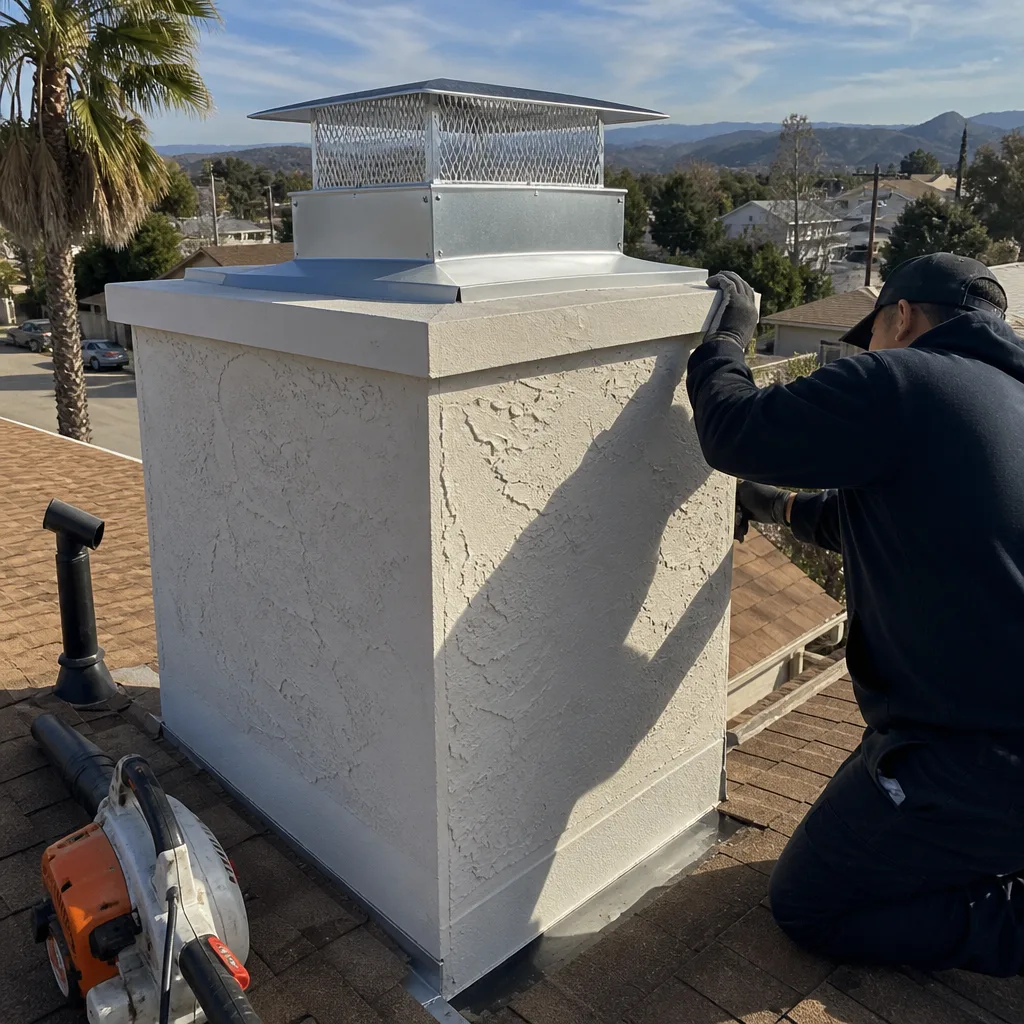 After