
Last updated October 31, 2026
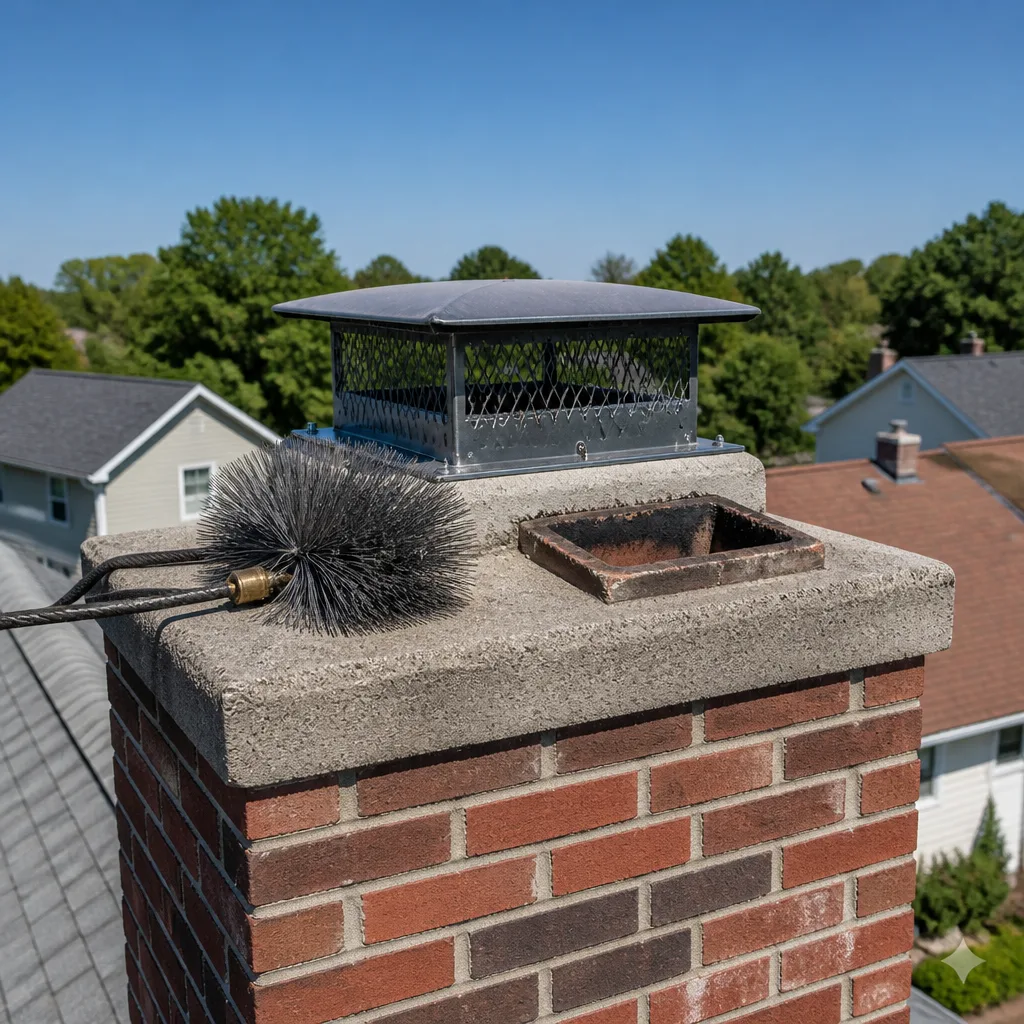 Sweep & inspection
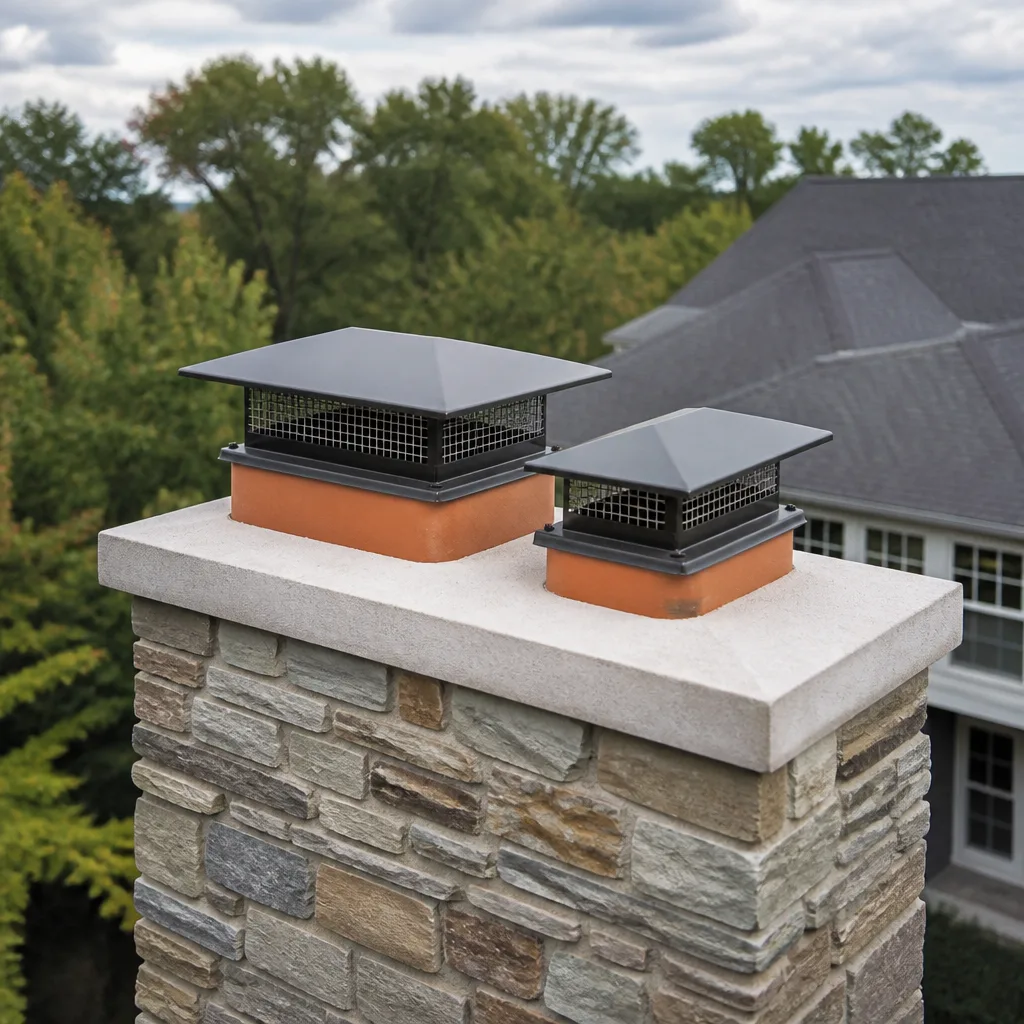 Caps & crowns
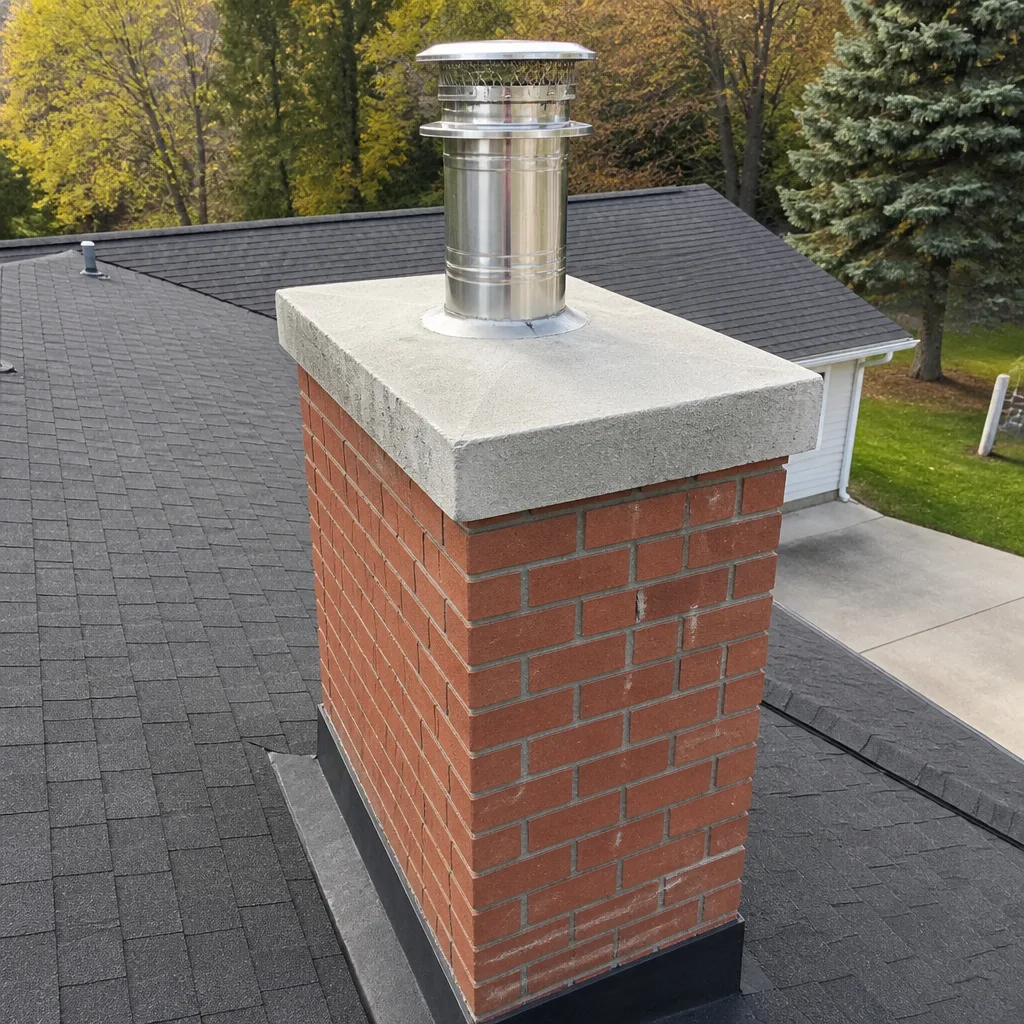 Flue relining
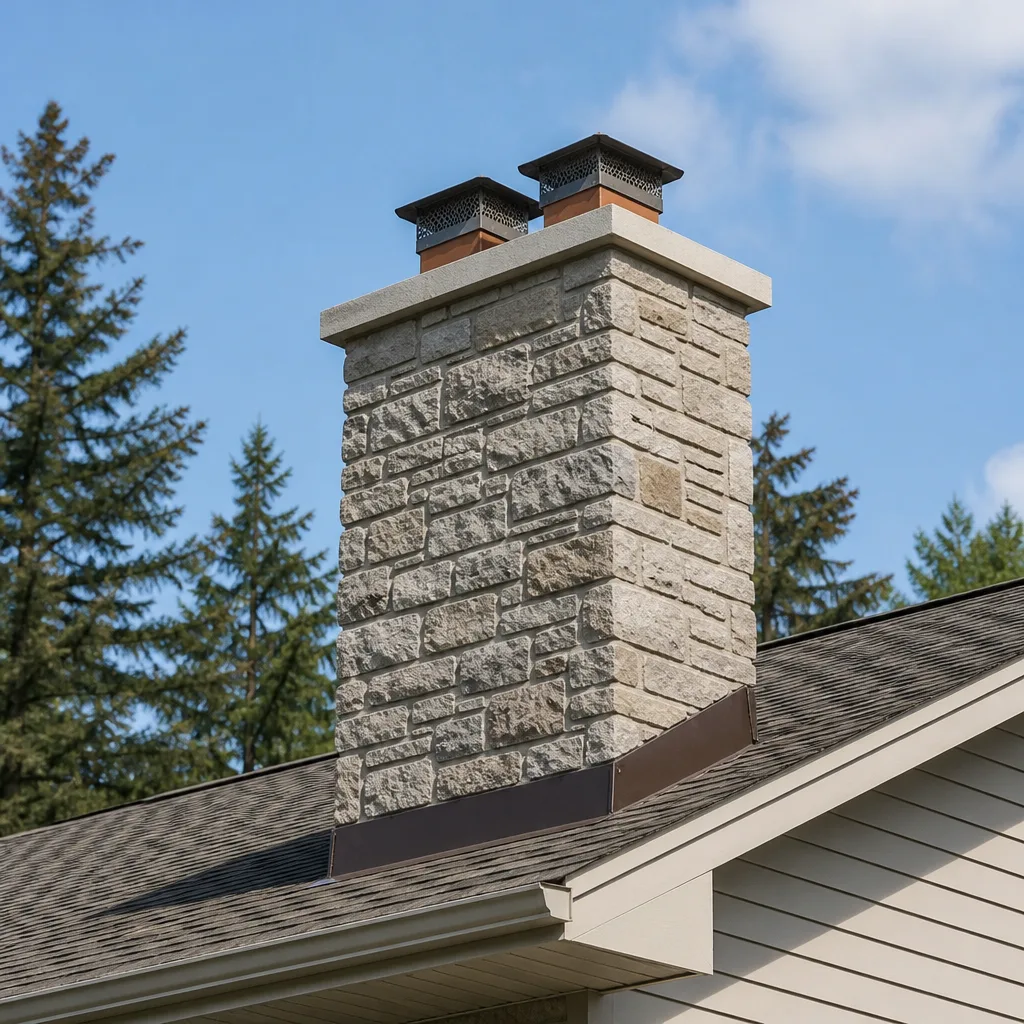 Masonry repair
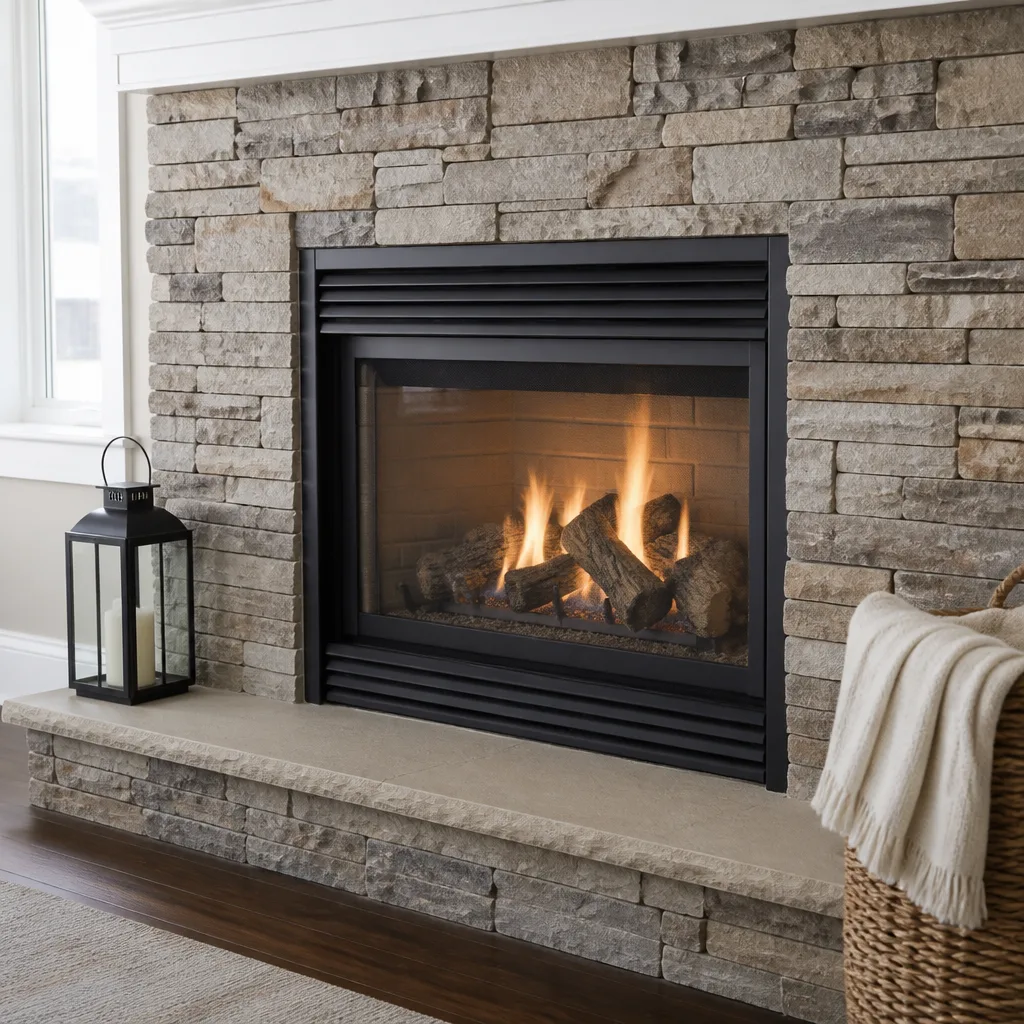 Gas fireplace service
Level 1 sweep and inspection to the NFPA 211 annual standard - flue, crown, cap, and flashing checked and photographed
Chimney sweep logs do not sweep chimneys. They loosen some creosote - which then falls where a brush and vacuum still have to collect it.
Chimney Sweep Maintenance Checklist for Universal City Homeowners
The cap, the crown, the liner, the damper. These four components fail in sequence, not randomly, and in Universal City’s specific climate, the sequence is predictable. Dry summers bake masonry joints until hairline cracks form. The marine layer that rolls through the Cahuenga Pass brings moisture that seeps into those cracks. Then the Santa Anas arrive and strip whatever loose material remains. What starts as a $4 tube of crown sealant becomes a $2,000 crown rebuild in under three seasons if you don’t catch it early. This guide walks you through a full maintenance checklist keyed to your actual equipment, whether you own a 1950s brick fireplace off Lankershim or a modern zero-clearance unit installed during the Universal City building boom. You’ll learn what to check from the ground, what only a chimney sweep in Universal City can assess with a camera, and which material conditions actually demand intervention now versus which can safely wait another season.
Quick Answer
A complete chimney maintenance checklist for Universal City homeowners covers six inspection points: the rain cap, the crown, the flue liner, the damper, the firebox (or appliance venting), and the chimney’s exterior masonry. Wood-burning fireplaces used more than twice a month should be swept and inspected annually, gas fireplace venting systems every two years, and pellet stoves every ton of fuel burned. The most important seasonal checkpoint in Southern California is late October, before the holiday burn season and after the first major Santa Ana wind event deposits debris.
Styles & brands we work with
Table of Contents
- Seasonal Timing: When Universal City Homeowners Should Actually Do This
- The Homeowner DIY Checklist: What You Can Verify from the Ground
- The Professional-Only Checklist: What Requires a Sweep’s Camera
- Component-by-Component Failure Guide: What Breaks First, and What It Looks Like
- Service Intervals by Fuel Type: Wood, Gas, and Pellet Are Not the Same
- How Santa Ana Wind Events Change Your Maintenance Schedule
- Reading Material Conditions: Spalling Brick, Refractory Panels, and Liner Joints
- Common Mistakes to Avoid
- When to Call a Professional
- Frequently Asked Questions
Seasonal Timing: When Universal City Homeowners Should Actually Do This
Universal City sits in a fire-adjacent zone where the practical burning season runs from Thanksgiving through late February. That’s a narrower window than most of the country, and it has a direct effect on maintenance timing. Heres the schedule we recommend based on the way this specific microclimate behaves:
Late October to early November: This is your primary checkpoint. The first Santa Ana wind events typically arrive between mid-September and late October, stripping dried brush from the hills and depositing it on roofs and into chimney caps. You want your chimney swept, inspected, and ready before Thanksgiving. If you book in December, you’re competing with every other homeowner in the 91608 zip code who just realized the fireplace has been dormant for eight months.
March to April: Secondary maintenance window. The burn season is over. Creosote, if present, has had a chance to absorb moisture from the marine layer but hasn’t yet sat through a full summer of heat-curing. This is the cheapest time to schedule a chimney repair in Universal City, because masonry work cures better in mild, dry spring weather than in summer heat or winter rain.
June to August: Not a maintenance window. The chimney isn’t being used. But it’s worth a single visual check from the ground in August, after the peak heat of summer, because that’s when crown cracks and mortar spalling are most visible. The dry heat opens masonry joints to their maximum width. If you see cracks in August, they’ll only widen when winter moisture comes.
The worst thing you can do in Universal City is follow a generic online checklist that says “clean your chimney in the fall.” That advice is written for cold-weather states where September means the first freeze is weeks away. Here, September often brings 95-degree Santa Ana conditions and the highest fire risk of the year. October is your month.
The Homeowner DIY Checklist: What You Can Verify from the Ground
You don’t need any special equipment to perform a meaningful chimney check. A pair of binoculars, a flashlight, and ten minutes on a clear morning will catch most visible problems before they escalate. Here’s the sequence we walk through with every Universal City homeowner who calls us for a first-time inspection.
- Stand in the yard and look at the chimney cap. Is it present? Is it sitting level? Can you see daylight through any rust holes? A missing or failing cap is the single most common entry point for the debris that Santa Ana winds deliver directly to Universal City rooftops. Eucalyptus seeds in particular are small enough to pass through a damaged cap screen and large enough to wedge into a flue.
- Check the crown with binoculars from two angles. The crown is the concrete slab that caps the masonry. You’re looking for hairline cracks radiating from the flue tile, crumbling edges, or a section that has separated from the brick entirely. If you can see dirt accumulating in a crack, water is already getting in. Crown cracks are the number one cause of spalling brick in Southern California chimneys.
- Sweep your eyes down the masonry face. Look for white chalky deposits (efflorescence), pieces of brick or mortar on the roof or at the base of the chimney, or any section that looks darker than the surrounding masonry in the morning. Darker sections mean moisture is absorbed and evaporating at different rates – that’s a structural sign, not just a cosmetic one.
- Open the damper and shine a flashlight up the flue. You’re looking for three things: visible blockage, a wash of soot that looks thick and flaky rather than dusty, or any daylight penetrating through cracks in the flue liner. If you see shaling – thin, flat chips of clay tile collecting at the bottom of the firebox – that’s your liner degrading from the inside.
- Check the firebox and hearth from inside. Shine your light across the refractory panels (the angled panels that form the walls of the firebox). You’re looking for cracks deeper than 1/16 inch, panels pulling away from the firebox wall, or any gap at the panel seams. Gas fireplace owners should check the glass for white fogging or film – that’s a sign of improper combustion or venting, not just dirt.
- Check the basement or crawlspace if your chimney passes through either. Universal City homes built in the 1950s and 60s often route chimneys through interior chases. If you see white staining on interior masonry walls, that’s efflorescence from slow, constant moisture penetration.
If everything above checks out, your chimney is probably in reasonable shape for the season. But here’s what the visual check misses: the upper third of the flue, the hidden side of the damper, the full interior liner surface, and any blockage that hasn’t yet visibly accumulated enough to reflect light back down. That’s what a professional inspection covers, and it’s why the next section matters.
The Professional-Only Checklist: What Requires a Sweep’s Camera
A certified sweep’s inspection goes where a flashlight physically cannot, which is the point where most expensive chimney problems in Universal City actually live. We run a high-resolution camera up the full flue length and document the condition of every joint, surface, and transition. Here’s what that camera sees that you can’t:
- Hidden cracks in clay tile liners. The most common fire-safety hazard in pre-1980 Universal City chimneys is a cracked clay liner that looks fine from below. Cracks allow heat to reach the surrounding masonry and, in some cases, wood framing. The camera shows the exact location and severity of every crack so you’re not working from guesswork.
- Creosote buildup distribution. Not all creosote is the same. A thin, dusty layer in a properly drafting fireplace is normal. A thick, shiny, tar-like glaze coating the upper flue is a combustion hazard, and it most often accumulates where exhaust gases cool at the flue’s top third. The camera documents thickness and stage – details that determine whether a standard brushing is sufficient or you need a more intensive removal.
- Birds, nests, and pest debris. The cap is the first line of defense, but a determined bird can access a chimney through a cap with even half-inch gaps. A nest built mid-flue may not block the chimney entirely but it creates a serious fire hazard when it ignites. The camera locates and identifies the obstruction precisely, which lets us plan the removal safely.
- Transition points where separate flue sections connect. Modern stainless liners are joined at intervals, most commonly every two to three feet. Over time and heat cycling, joints can loosen, separate slightly, or develop corrosion points. A camera inspection identifies each compromised joint before it becomes a draft failure or a leak into the chimney cavity.
- Moisture entry from above or below. The camera combined with a moisture meter can distinguish between condensation inside the flue and water penetrating through masonry from outside. These are two different problems with two different fixes, and applying the wrong fix is a very expensive mistake.
- Condition behind the damper plate. The camera documents the damper’s frame, hinges, and seating surface. A damper that doesn’t close completely creates a constant air leak that your HVAC system has to fight all winter, and a damper that can’t open fully creates rollback of smoke into your living room.
We use equipment and materials sourced from Olympia Chimney and Copperfield, which are the same professional supply lines specified by certified chimney sweep trade associations. That matters because the camera sees what it sees, but the quality of the documentation and the materials we use to correct problems determines whether a repair actually holds. For Universal City homeowners, a camera inspection before the burn season is the difference between knowing your chimney is safe and assuming it is. Causeway Chimney Sweep home inspections always include this documentation, because no repair or cleaning recommendation should ever be made without visual evidence.
Component-by-Component Failure Guide: What Breaks First, and What It Looks Like
Chimney components fail in a predictable sequence, at least in the Southern California climate. Here’s the order we see in Universal City, what each failure looks like, and what it means.
1. The Rain Cap (Years 3-8)
The cap is the sacrificial component. It sits at the top of the chimney taking direct exposure to sun, wind, rain, and airborne debris. In Universal City, where Santa Ana events are frequent and intense, caps fail faster than in almost any other part of the country. The typical failure sequence is: rust on the spark screen, loosening of the attachment band, a dent or crease from wind-blown debris, then full detachment. Most homeowners discover a missing cap only when a bird becomes trapped in the fireplace or a Santa Ana event blows branches down the flue. A quality stainless cap sourced from Famco will outlast everything else on the chimney, but it still needs to be checked after every major wind event.
2. The Crown (Years 5-15)
The crown is the second failure point for a simple reason: concrete shrinks as it cures, and Southern California’s heat-cold-moisture cycles accelerate that shrinkage. The first sign is a hairline crack, often radiating from one corner of the flue. Within two seasons, that crack widens enough to admit water, and once water gets in, freeze-thaw is irrelevant because the destruction is chemical: water carries dissolved minerals into the masonry, they crystallize, and the crystal growth physically forces bricks apart. In Universal City’s marine-influenced winter air, this process happens faster than in the dry inland valleys.
3. The Flue Liner (Years 10-30, depending on material)
Clay tile liners – the original equipment in most Universal City chimneys built before 1980 – degrade from the inside. Combustion acids eat the tile surface, creating small fissures. Those fissures widen with every heating cycle. Eventually the tile sections separate, and the lining becomes more collection of loose shards than a continuous protective surface. Stainless liners fail differently: they don’t crack, but their joints loosen, and if the liner was sized incorrectly, it can warp or tear. DuraFlex liner systems, which we install and specify by name, are designed to resist exactly these failure modes, but even the best liner needs to be checked at the joints where sections connect.
4. The Damper (Years 8-20)
The damper usually fails last, but it fails in a way that wastes money for years before anyone notices. A damper that doesn’t fully seat leaks conditioned air continuously – every hour, all winter. Universal City homeowners who see their heating bills creep up from November through February often discover the cause is a damper that’s been silently failing. The failure mode is almost always the hinge pins, which corrode in the presence of combustion byproducts and moisture. If your damper handle feels stiff, squeaks, or won’t stay in position, it’s time for a professional assessment.
Service Intervals by Fuel Type: Wood, Gas, and Pellet Are Not the Same
One of the most persistent and least accurate pieces of chimney advice on the internet is “get your chimney swept every year.” That’s the correct interval for one specific use case: a wood-burning fireplace that’s used regularly. It’s incorrect or incomplete for everything else. Here’s what each fuel type actually demands in Universal City:
Wood-Burning Fireplaces and Stoves
Sweep and inspect annually if you burn more than roughly one cord of wood per season, which translates to using the fireplace more than about twice a week from Thanksgiving through February. If you only use the fireplace for special occasions – maybe five to ten fires per season – you can extend the interval to every two years, provided you have the flue camera-inspected at each visit. The variable isn’t time; it’s creosote accumulation, and creosote accumulates in direct proportion to how much unseasoned or resinous wood you burn. Universal City’s firewood supply chains often sell wood that’s been stored outdoors and absorbed moisture from the coastal air, which increases creosote production even in seasoned hardwoods.
Gas Fireplaces and Gas Logs
Inspect every two years, clean as needed. Gas produces miniscule amounts of soot compared to wood, so a cleaning is driven by dust accumulation, insect intrusion, or mineral scale rather than creosote. But gas appliances produce a lot of water vapor, and that vapor condenses inside the flue as it cools. Over time, condensation mixed with combustion byproducts creates an acidic environment that accelerates liner deterioration, especially in older masonry chimneys that were originally built for wood and later converted to gas. A gas conversion done improperly is one of the most common issues we find in Universal City homes that have been through renovations or flips.
Pellet Stoves
Sweep after every ton of pellets burned. Most Universal City pellet stove owners burn between one and three tons per season, so most need one to three professional cleanings per year. This is because pellets produce a fine, dense ash that behaves differently from wood ash – it compacts inside horizontal venting runs and creates blockages that are almost invisible from the outside. Pellet systems are also more sensitive to maintenance neglect than either wood or gas systems. A pellet stove with a partially blocked vent loses efficiency quickly and can develop dangerous combustion conditions.
Dryer Vents (the venting system most Universal City homeowners forget)
We include this because dryer vent cleaning in Universal City is a venting maintenance task with the same safety profile as a chimney, and it’s governed by the same physics. Lint is the dryer equivalent of creosote: a combustible deposit that accumulates gradually, blocks airflow, and becomes a fire hazard when it reaches a critical thickness. Most homes need dryer vents cleaned every one to two years, and if you’ve noticed longer drying times or a burning smell when the dryer runs, the vent is already significantly blocked. The connection to chimney maintenance is simple: every venting system in your home shares the same failure modes and deserves the same professional attention.
The takeaway: a flat annual sweep recommendation is a lazy answer. Your actual service interval depends on what you burn, how often you burn it, and what kind of venting system carries the exhaust. A professional inspection will tell you where you actually stand, which is more useful than a calendar reminder.
How Santa Ana Wind Events Change Your Maintenance Schedule
Santa Ana winds are the single most underappreciated factor in chimney maintenance for Universal City and the surrounding hills. They deliver specific types of debris that other parts of the country simply don’t deal with, and they deliver it with enough force to dislodge components that were otherwise solid.
During a typical Santa Ana event, sustained winds of 25 to 45 miles per hour blow from the northeast, funneling through passes and canyons and accelerating over the flat terrain around Universal City. The specific debris profile includes:
- Eucalyptus seeds and leaf litter from the hillside plantings that surround the area. These are small enough to pass through standard spark screens when wind-driven, and they’re sticky when wet, which means they bond to creosote and form a paste that hardens over time.
- Dried brush fragments and chaparral debris from the undeveloped hills. These are larger and tend to accumulate against the chimney cap, eventually forcing gaps in the spark screen through sheer mass.
- Roofing granules and tile fragments from the surrounding rooftops. Santa Ana winds scour loose granules from composite shingles and send them across rooftops where they can enter chimneys through damaged caps or, more commonly, pile up around the base of the chimney where they trap moisture against the masonry.
After any Santa Ana event with sustained winds above 30 miles per hour, we recommend a simple visual check from the ground. Look at the chimney cap with binoculars. If you see accumulated debris sitting on or around it, or if the cap looks shifted, schedule an inspection sooner rather than later. The debris that sits on a cap after a wind event becomes airborne again during the next event, and some of it will find its way into the flue.
For Universal City homeowners who live near the intersection of the 101 and Lankershim or in neighborhoods with mature eucalyptus plantings, the wind-driven debris load is consistently higher than in more developed commercial zones. This is not a minor point: we’ve seen chimneys that were clean in September become functionally blocked by eucalyptus debris by mid-November after just two wind events. The fix is usually simple, but it requires someone to look.
Reading Material Conditions: Spalling Brick, Refractory Panels, and Liner Joints
Every material on your chimney ages differently, and the failure signatures are specific enough that a knowledgeable homeowner can identify most problems before they become structural. Here’s what to look for and what it means.
Spalling Brick
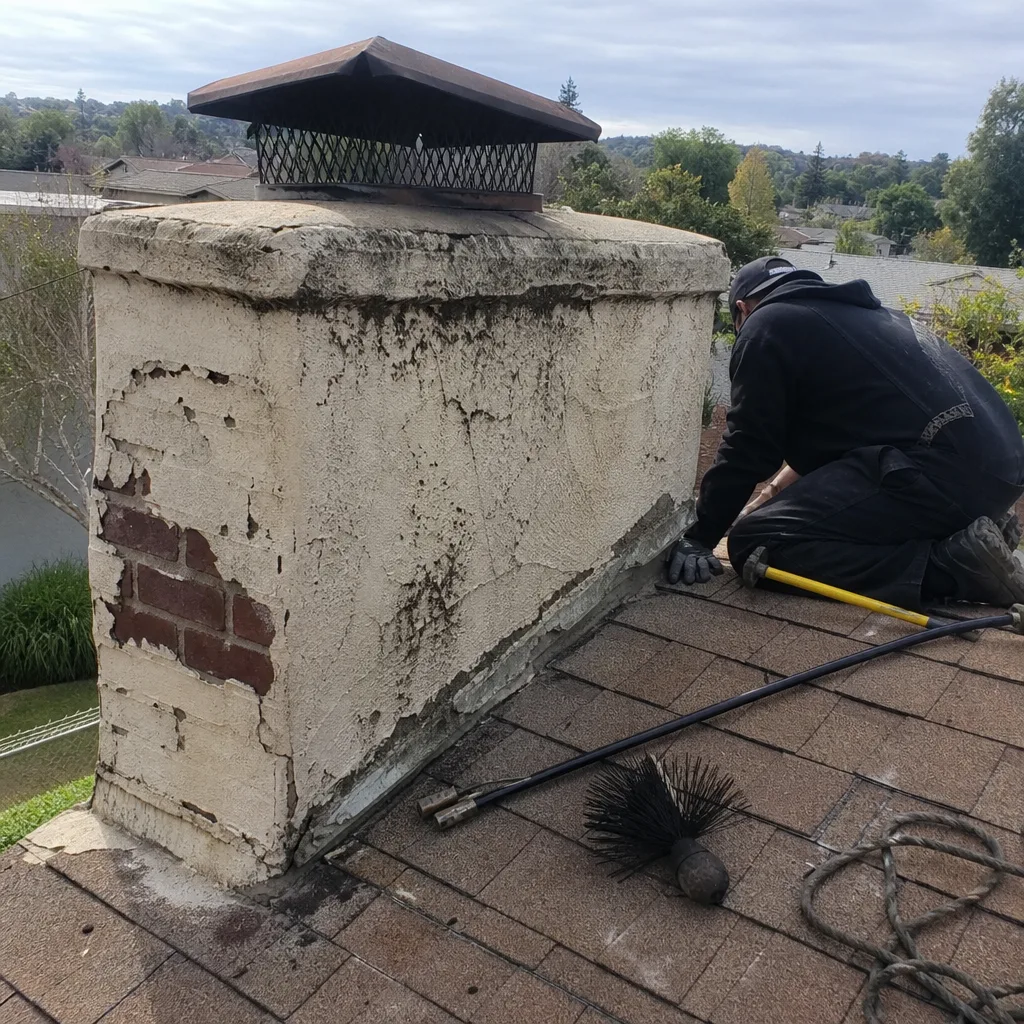
Spalling is the flaking, crumbling, or popping of brick surfaces caused by moisture penetration followed by expansion and contraction. In Universal City, spalling almost always begins at the top of the chimney, near the crown, because that’s where water entry is most direct. You’ll see brick faces that look like they’re peeling, or small piles of red dust and brick crumbs at the base of the chimney. Left unaddressed, spalling progresses downward: each season of moisture entry weakens the next course of brick down. The repair is not a simple “patch it” job, because the spalled brick has to be removed and replaced, and the underlying moisture problem corrected. This is a chimney repair situation, not a maintenance one.
Refractory Panels
Refractory panels are the pre-formed cement-like panels that line the inside of a factory-built or zero-clearance firebox. They’re designed to reflect heat back into the room and protect the firebox walls. When they fail, they fail in predictable ways: hairline cracks first, then visible separation from the firebox wall, then crumbling or complete panel displacement. A cracked panel isn’t immediately dangerous, but it changes the heat dynamics inside the firebox, and the crack provides a path for heat to reach the firebox’s sheet metal enclosure. Once panels are visibly crumbling, the firebox should not be used until they’re replaced. Replacement panels are one of the components most often sourced from substandard, generic suppliers. We use professional-grade panels that match the firebox’s original engineering specifications, because a panel that doesn’t fit correctly creates gaps that defeat the entire purpose.
Stainless Liner Joints
Stainless flue liners are joined with specifically designed connectors, and those joints are the point where failures begin. The signature is subtle: a slight offset in the liner visible at the joint, a dark ring of corrosion around the joint area, or a fine dusting of heat-discolored metal flakes inside the flue. A liner joint that’s begun to separate allows flue gases to escape into the chimney cavity, which is both a fire hazard and a carbon monoxide risk. If you can see any of these signs from the top of the chimney, or if your sweep’s camera shows joint separation, the liner needs replacement or, in some cases, a full reline. We install DuraFlex liner systems for relining work, and the quality of the liner at each joint is the difference between a repair that lasts fifteen years and one that fails in three.
Common Mistakes to Avoid
- Skipping the fall inspection because “we haven’t used the fireplace all year.” In Universal City, the non-use period is exactly when debris accumulates. A chimney that sat unused all summer is more likely to be blocked than one that’s been used regularly. Use doesn’t cause blockages; neglect and wind do.
- Accepting “the cap looks fine” without checking it from the roof. A cap can appear intact from the ground while the spark screen on its underside is completely rusted through. The screen is what keeps Santa Ana-driven debris out of the flue, and it fails before the rest of the cap does.
- Using a fireplace store’s “free inspection” without confirming it includes camera documentation. A visual-only inspection from the damper area misses the upper flue where most problems live. If there’s no camera footage, there’s no actual evidence of the flue’s condition.
- Painting or sealing spalling brick to “protect it.” Sealing over spalled brick traps moisture inside the masonry and accelerates the very failure you’re trying to stop. Spalled brick must be physically replaced, not coated.
- Burning unseasoned wood from a local source that stored it outdoors. Wood that’s absorbed Universal City’s coastal moisture produces significantly more creosote than properly seasoned hardwood, and it produces it faster. If the wood feels damp to the touch or hisses when burned, it’s not ready for the fireplace.
- Converting a wood fireplace to gas without relining the flue. An unlined or improperly lined masonry chimney that vents gas appliances creates condensation in the masonry. This is a very common source of hidden damage in Universal City’s older housing stock. The liner should be sized and specified for gas, not just whatever was already there.
- Treating the dryer vent as “not a real venting system.” A dryer vent is governed by the same physics as a chimney: heat, airflow, and combustible deposits. Most Universal City homes could benefit from professional dryer vent cleaning right now, and the fact that it’s out of sight is exactly why it’s out of mind.
When to Call a Professional
Some chimney conditions can be monitored. Others require intervention before the next use. Call for a professional inspection in Universal City if you notice any of these: smoke rollback into the room during use, a persistent burning smell when the fireplace is not in use, visible cracks in the firebox refractory panels wider than a credit card, efflorescence on interior masonry walls, pieces of clay tile in the firebox, or any evidence of a bird or animal inside the chimney. These are not maintenance items; they’re repair indicators. For gas appliance venting, any visible water staining on the ceiling near the chimney chase, or any gas odor near the fireplace, are immediate call situations. If you’re unsure whether what you’re seeing is normal or a problem, document it with a photo and call us. Causeway Chimney Sweep offers free estimates in Universal City. Call (877) 500-2276 and we’ll tell you over the phone whether a visit is warranted.
Frequently Asked Questions
For wood-burning fireplaces used regularly, an annual sweep and inspection is the correct interval in Universal City. Homes with occasional-use fireplaces can often extend to every two years, provided a camera inspection is included to verify flue condition. Gas fireplace venting should be inspected every two years, and pellet stoves need cleaning after every ton of pellets burned. Your actual interval depends on use frequency, fuel type, and what the flue’s condition actually shows.
A standard chimney sweep and camera inspection in Universal City typically runs $200 to $350, with variables including flue height, creosote stage, and whether repairs are identified. The inspection is the more valuable component of that cost, because it tells you what needs attention before it becomes a four-figure repair. Call (877) 500-2276 for a free phone estimate based on your specific chimney.
An annual camera inspection is not always necessary for very light use, but the alternative isn’t “skip it entirely.” Every two years is the maximum safe interval for a light-use fireplace in Universal City, and even that assumes no Santa Ana events have deposited visible debris on your cap and that you haven’t noticed any change in fireplace behavior. The inspection is cheap insurance relative to the cost of missed deterioration.
A sweep removes creosote, soot, and debris from the flue. An inspection documents the condition of every component: liner, damper, crown, cap, masonry, and firebox, usually with camera evidence. The two are almost always performed together, but they serve different purposes. At Causeway Chimney Sweep, we don’t perform a sweep without documenting what the camera sees, and we don’t recommend a repair without showing you the evidence for it.
No. If a fireplace has been converted to gas, the original wood-burning configuration has been permanently modified. The gas logs and burner are not designed to coexist with wood, and the flue was likely resized or relined for gas exhaust. Burning wood in a converted fireplace is dangerous, and in Universal City, where many older homes have had conversions performed over the decades, this mistake occurs more often than you’d think.
The three telltale signs are: visible shaling (thin chips of clay tile accumulating in the firebox), a camera inspection showing cracked or separated liner joints in a stainless system, or moisture staining on interior walls near the chimney. A liner assessment requires camera documentation, not guesswork. If the liner is compromised, relining with a professional-grade system like DuraFlex is the durable fix, and it’s work that many sweep companies refer out but that we handle directly. Call (877) 500-2276 to schedule an inspection that will give you a documented answer.
The Bottom Line
Chimney maintenance in Universal City is about understanding your specific equipment and the specific environment it lives in. A 1950s brick fireplace on Lankershim has different needs than a 2010 zero-clearance unit in a hillside home, and a chimney that sees monthly wood fires has different needs than one that vents a gas log set. The core checklist is simple: check the cap, crown, liner, damper, and firebox, know what each failure mode looks like, and account for the Santa Ana debris rush every fall. What you can’t see from the ground is what a camera inspection reveals, and that’s the difference between maintaining your chimney and discovering it. If you’re in the 91608, call (877) 500-2276 or schedule online. We’ll document the condition, show you the evidence, and recommend only what the camera says is needed.
Written by the team at Causeway Chimney Sweep, serving Universal City since 2015.
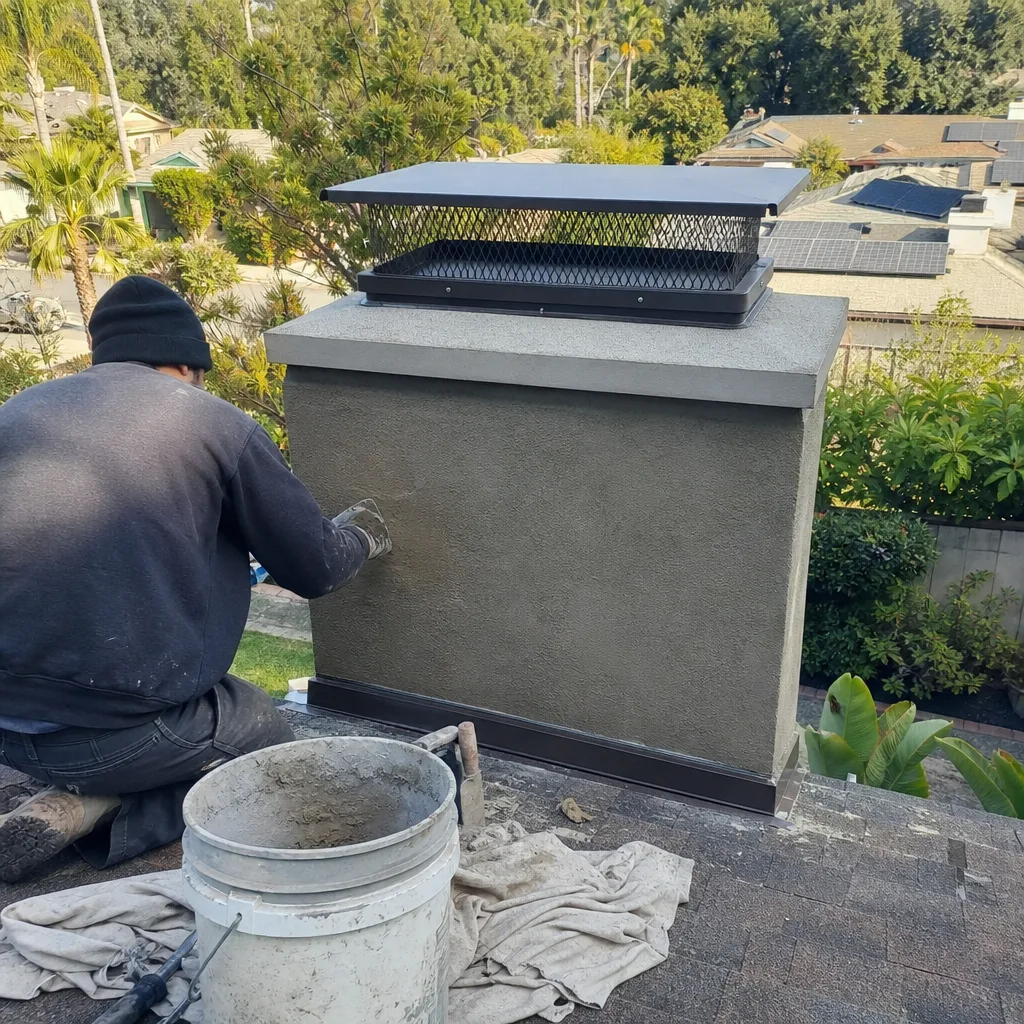
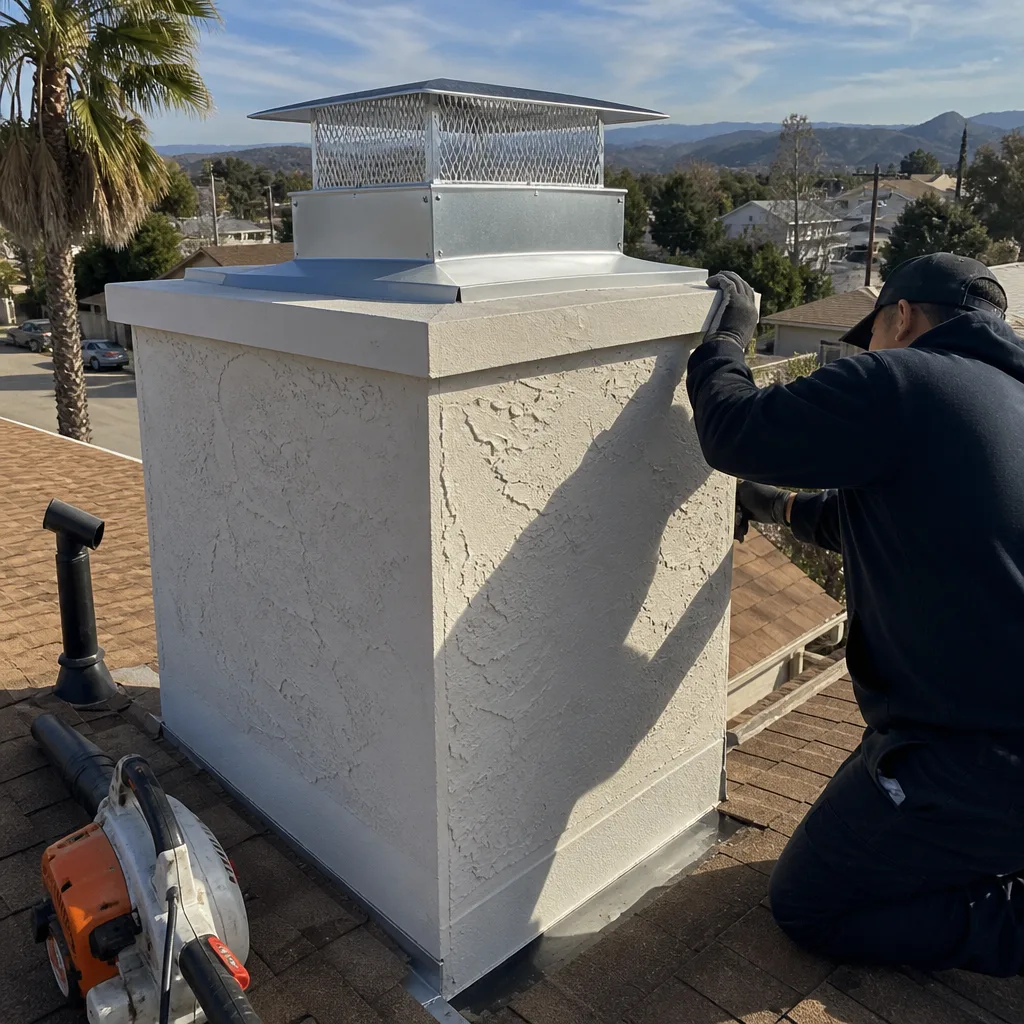
See the difference
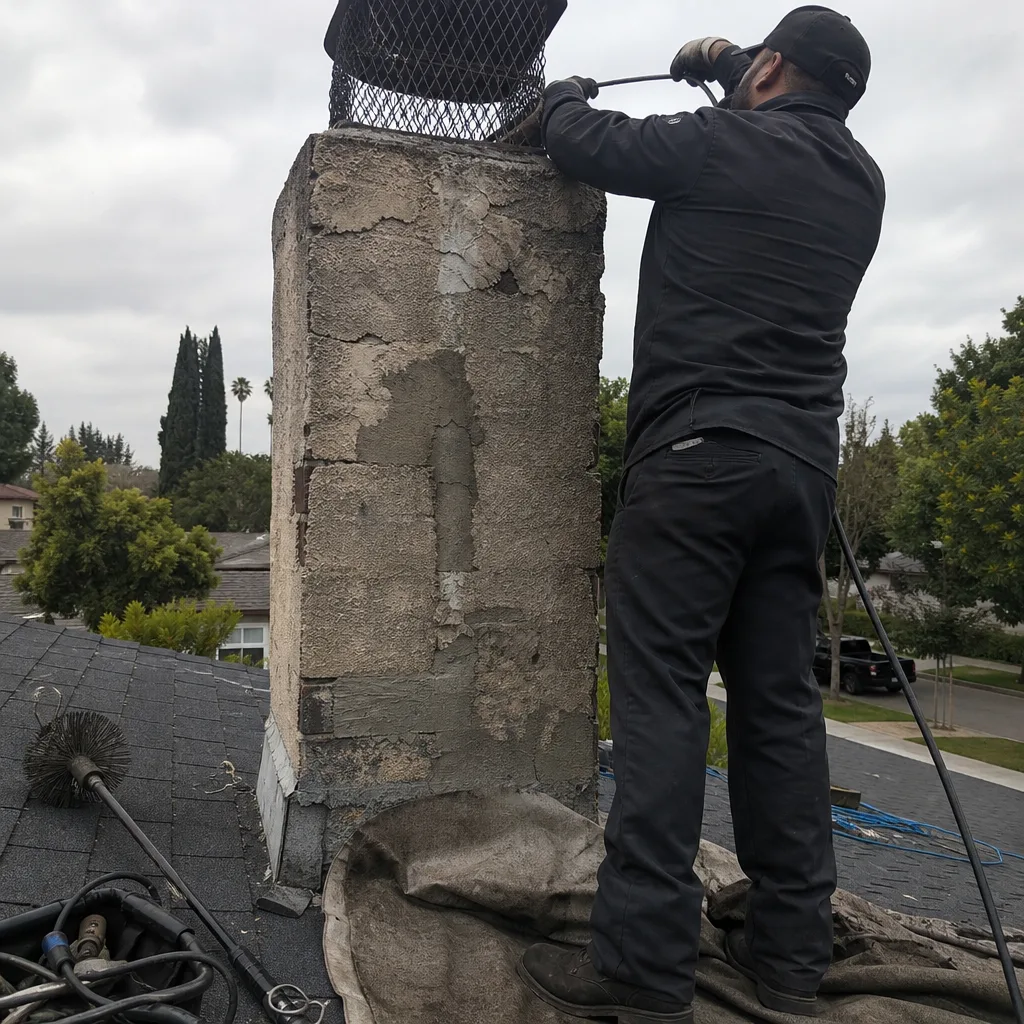 Before
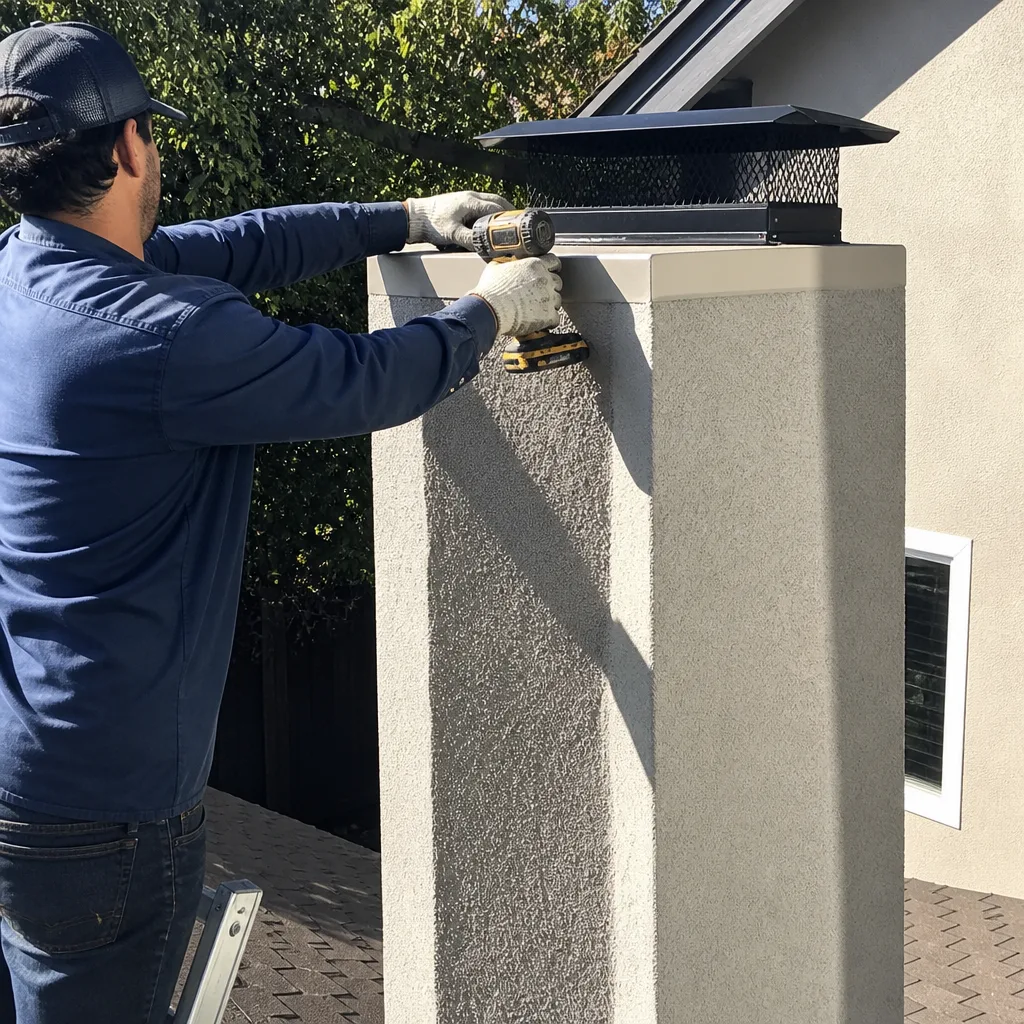 After
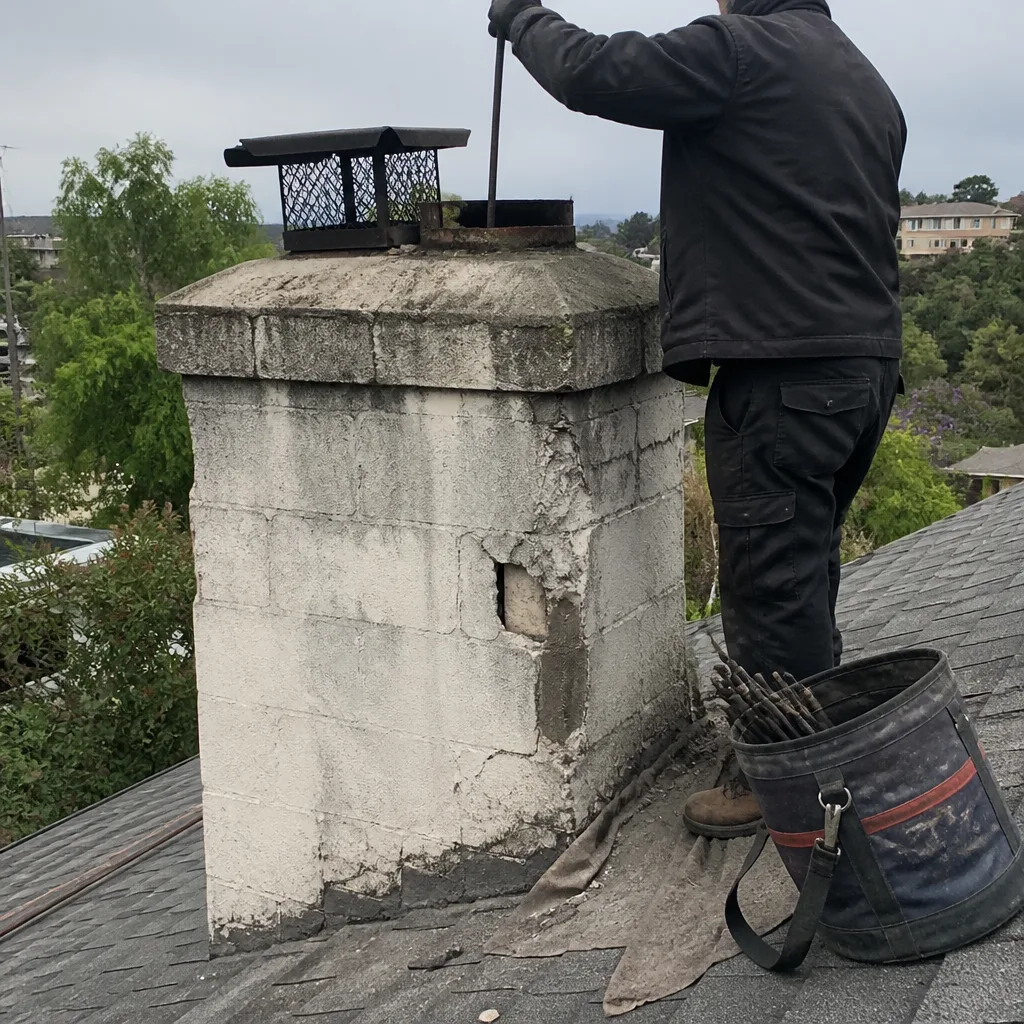 Before
 After
 Before
 After