Last updated October 31, 2026
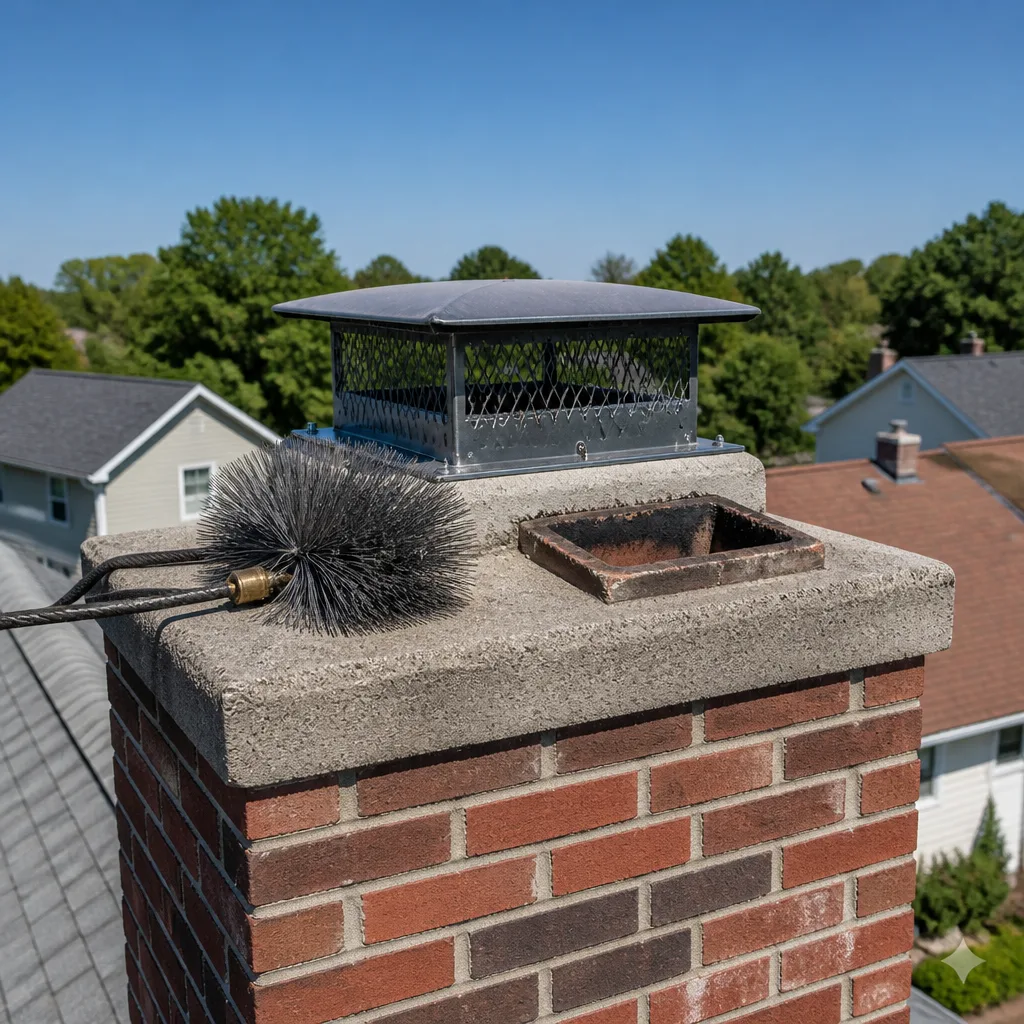 Sweep & inspection
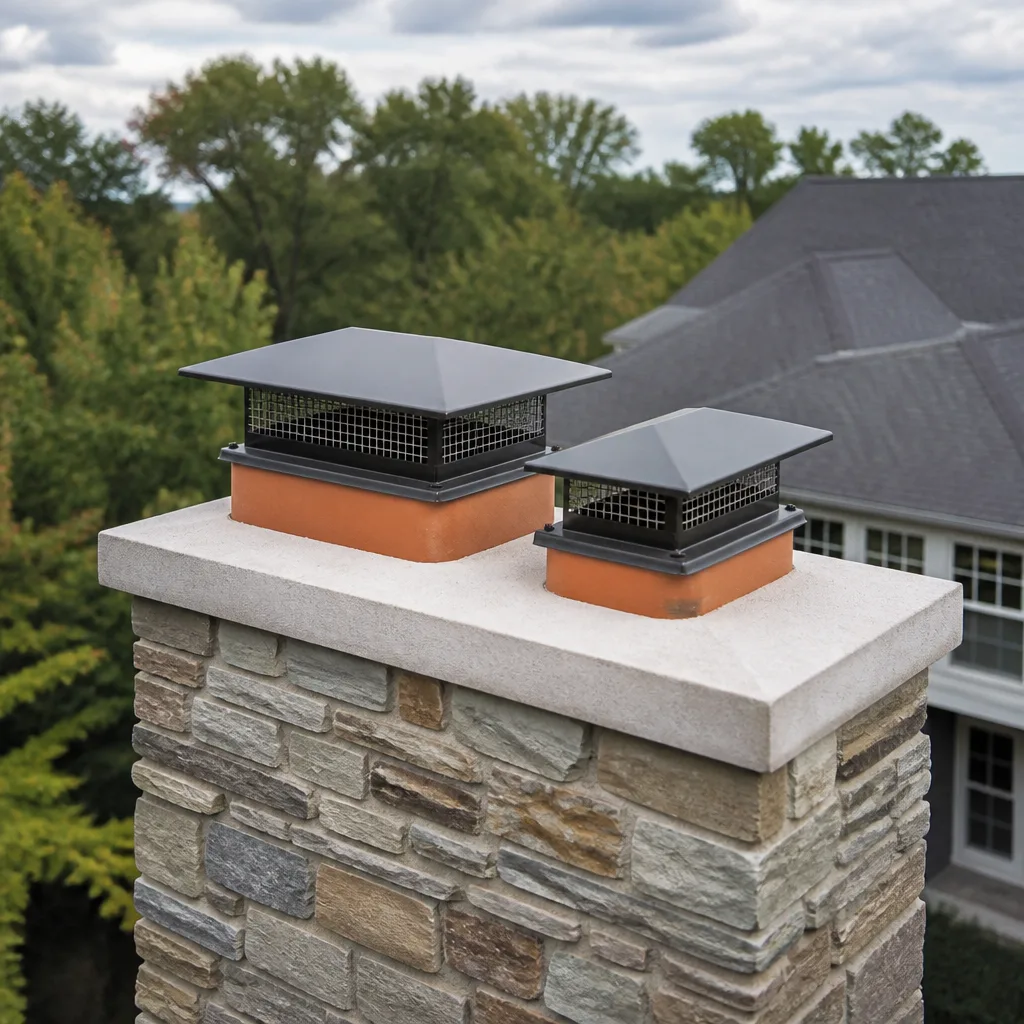 Caps & crowns
 Flue relining
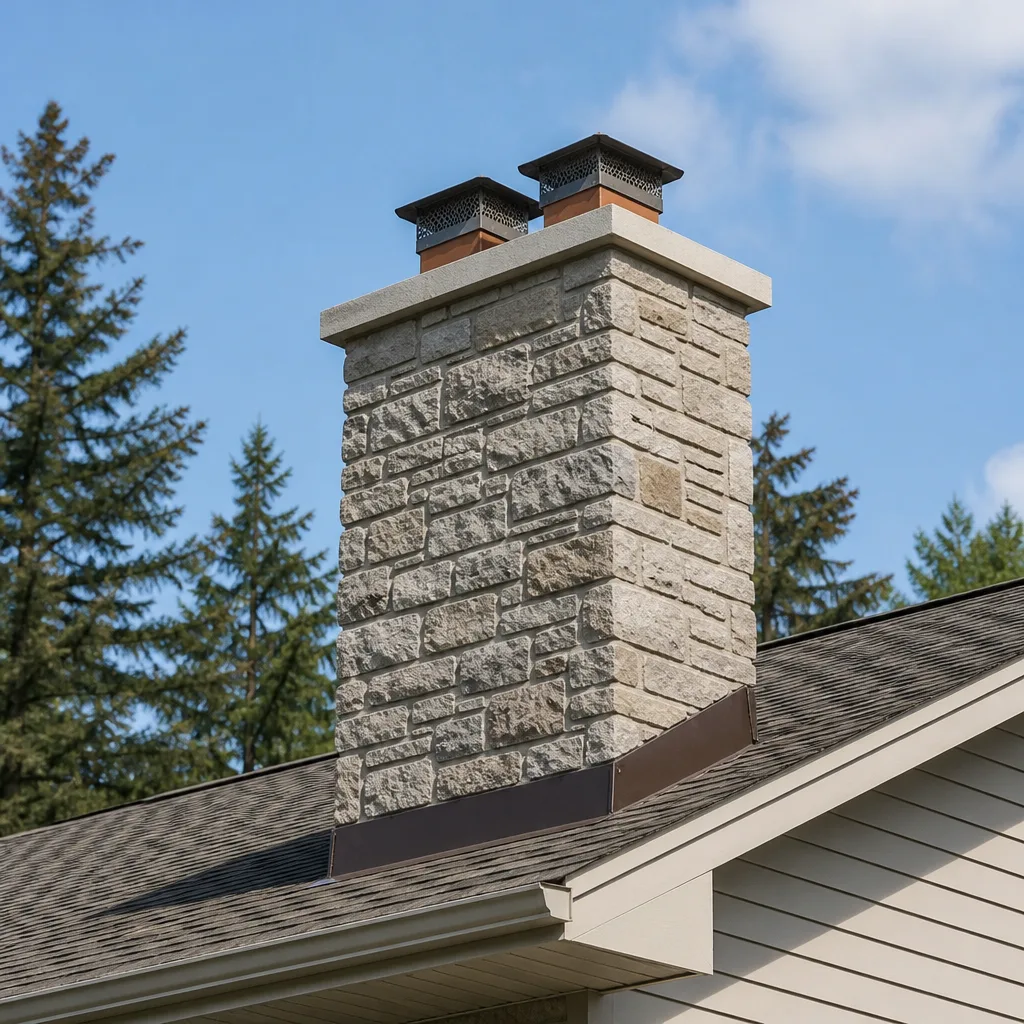 Masonry repair
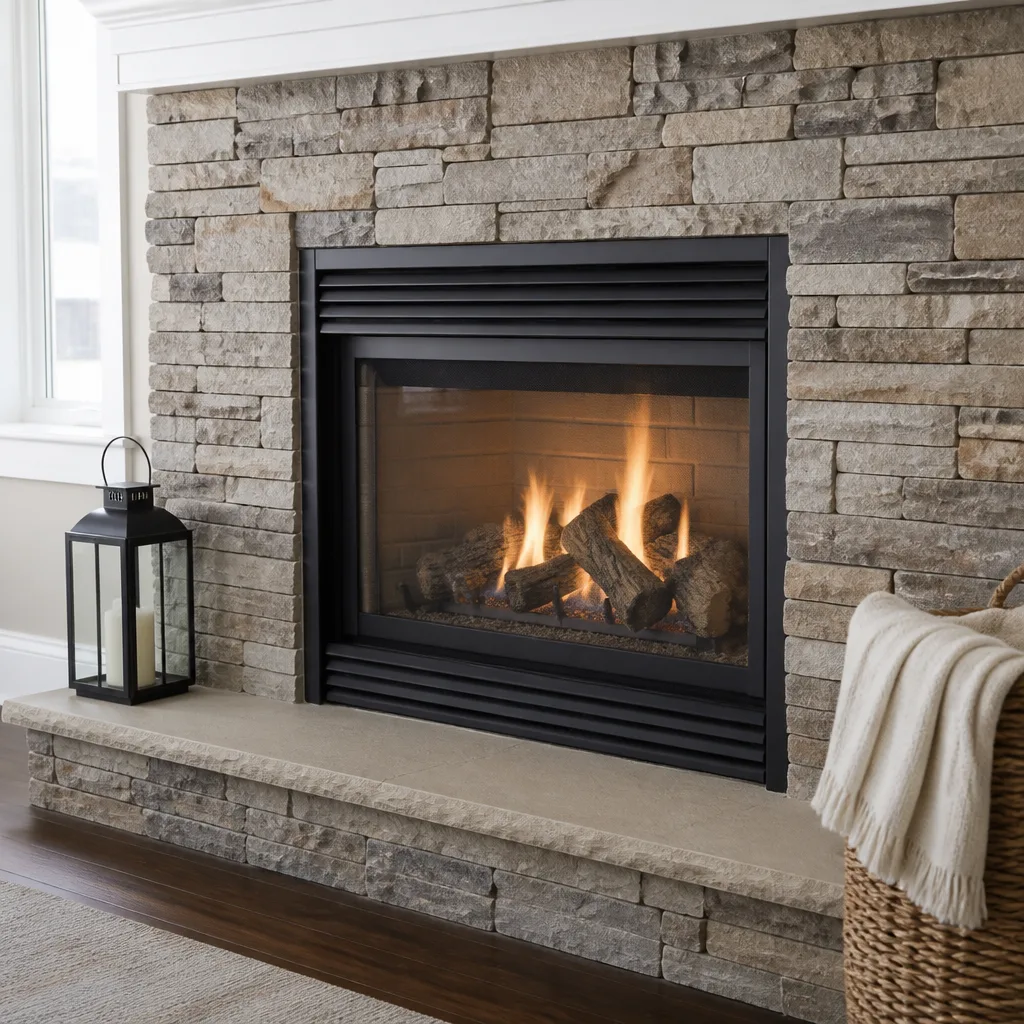 Gas fireplace service
Level 1 sweep and inspection to the NFPA 211 annual standard - flue, crown, cap, and flashing checked and photographed
Chimney sweep logs do not sweep chimneys. They loosen some creosote - which then falls where a brush and vacuum still have to collect it.
Chimney Cleaning Permits, Codes & Inspections in CA: What You Need to Know
California doesn’t require a permit to sweep your flue, but it does require one if that sweep reveals a cracked liner that needs relining. The distinction between “cleaning” and “repair” is exactly where unpermitted work quietly accumulates in older homes. In Universal City and the surrounding hillside communities, we regularly see chimneys that have been swept for decades with zero paper trail, only for a real estate transaction to suddenly demand proof that the liner replacement done in 2011 was actually permitted. This guide walks through where California draws the line, what LA County fire codes add on top, and how to protect yourself from costly remediation later. For more guides & resources, visit our blog.
Quick Answer
A standard chimney cleaning and inspection is classified as routine maintenance in California and requires no permit from any city or county authority. However, if the cleaning uncovers damage that calls for repairs such as a liner replacement, crown rebuild, or firebox reconstruction, those repairs typically require a building permit because they alter the chimney structure. In Universal City, which falls under Los Angeles County jurisdiction, additional fire code requirements apply to spark arrestors and clearances in wildland-urban interface zones.
Styles & brands we work with
Table of Contents
- Where California Draws the Line: Maintenance vs. Repair
- Los Angeles County Fire Code and Universal City
- How Title 24 Energy Code Changes the Picture
- Spark Arrestors: The Most Overlooked Code Requirement
- What Happens During a Chimney Inspection
- How Unpermitted Chimney Work Surfaces in Home Sales
- The Permitting Process for Chimney Repairs in LA County
- Common Mistakes to Avoid
- When to Call a Professional
- Frequently Asked Questions
Where California Draws the Line: Maintenance vs. Repair
California Building Code (CBC) Chapter 1 establishes that a permit is required for any construction, alteration, enlargement, repair, or improvement to a building or structure. The operative word for chimney work is alteration. A sweep removes creosote and soot from the interior surfaces of the flue. Nothing about the chimney’s materials, dimensions, or structural configuration changes. That’s maintenance, not alteration, and no permit is required.
The line gets crossed when the work changes the chimney itself. Here’s the practical breakdown we use when advising Universal City homeowners:
- No permit needed: Chimney sweeping, standard flue inspection, minor mortar joint pointing on the exterior smoke chamber, replacing a chimney cap with a like-for-like unit, installing a standard rain cap.
- Permit required: Full or partial relining of the flue with a stainless steel system like DuraFlex, reconstructing a damaged firebox, rebuilding a crown that has cracked beyond patchwork, changing the flue diameter, or converting a wood-burning fireplace to gas.
- Gray zone, check with the building department: Removing and resetting loose brick at the top course, repairing a section of the smoke chamber with a resurfacing product like HeatShield when the flue dimensions stay identical, replacing a damper assembly that requires cutting into the masonry.
The reason the gray zone matters is enforcement consistency. Some LA County plan checkers consider HeatShield resurfacing a maintenance repair because it applies a ceramic coating to the existing flue without removing it. Others classify it as an alteration because it changes the fire resistance characteristics of the flue. Before scheduling any repair that involves more than a sweep, a call to LA County Building and Safety with a clear description of the scope will settle the question in about ten minutes.
Los Angeles County Fire Code and Universal City
Universal City sits in a unique regulatory position. It’s an unincorporated area with a Universal City, Los Angeles mailing address, and fire protection falls to the Los Angeles County Fire Department rather than LAFD. That matters because LA County Fire Code Chapter 3 draws heavily from the California Fire Code and adds provisions specific to wildland-urban interface (WUI) zones. Much of the hillside residential area around Universal City is mapped as WUI, which changes what a compliant chimney looks like.
Under LA County Fire Code, any chimney serving a solid-fuel appliance in a WUI zone must have a spark arrestor with mesh openings no larger than half an inch. That’s a state and county requirement, not a suggestion. We’ve inspected chimneys in Universal City where the spark arrestor was missing entirely, and the homeowner had lived there for years without realizing the requirement existed. This is not a cosmetic accessory. The purpose is wildfire prevention, and the county enforces it during structural fire inspections and at point of sale in certain disclosure scenarios.
Additional LA County Fire Code provisions that apply to chimney systems in Universal City include:
- Clearance to combustibles must meet the manufacturer’s listed clearance for the specific appliance and flue system, and in the absence of a listing, a minimum of 18 inches of clearance around the appliance and 2 inches around the chimney chase must be maintained.
- Combustible materials may not be stored within 36 inches of a fireplace opening when the fireplace is in use.
- Any chimney fire must be reported to the fire department, and the fire department has authority to require a level 2 inspection before the chimney returns to use.
How Title 24 Energy Code Changes the Picture
Title 24 of the California Code of Regulations sets energy efficiency standards for buildings. It doesn’t regulate chimney sweeping, but it enters the conversation when a gas appliance is vented through an existing masonry chimney and modifications happen. This comes up more often than most Universal City homeowners expect.
The relevant dynamic is this: many homes in the Universal City area were built in the 1950s through 1970s with wood-burning fireplaces. Over the years, a substantial number of those fireplaces were converted to gas log sets or gas inserts. If that conversion was done without an energy-related permit and inspection, the work is unpermitted and may not meet current Title 24 ventilation and combustion air requirements. The fireplace works fine, but the paper trail is broken.
Title 24 matters in three common scenarios:
- Gas appliance venting modifications. When a gas insert or log set is installed, the existing flue often needs to be resized or relined to meet the venting requirements of the new appliance. That relining is an alteration, which means a permit is required and the installation must comply with Title 24’s combustion air and venting standards.
- Combustion air make-up. Modern gas appliances burn more efficiently, but they still need combustion air. In tightly sealed homes, Title 24 requires that make-up air be provided. When we install or relocate a venting system as part of chimney repair work, the combustion air configuration becomes part of the permit review.
- Venting category mismatch. Some older homes in Universal City vent a gas appliance through an unlined or improperly lined masonry chimney. This is a code violation under both the California Plumbing Code and Title 24’s appliance venting provisions. The fix is almost always a reline with a listed system specified for gas venting.
This is one of the reasons we specify professional-grade liner systems rather than generic substitutes. A DuraFlex liner, for example, is listed and tested for the venting category it’s installed for. The ulterior point is that the permit application requires a listed product. A generic stainless tube bought from a hardware store has no listing and will not pass inspection in LA County.
Spark Arrestors: The Most Overlooked Code Requirement
We referenced this in the fire code section, but it deserves its own heading because it’s the single most common code deficiency we find in Universal City. A spark arrestor is a metal screen installed at the top of the chimney that prevents hot embers from escaping the flue and landing on a roof or nearby vegetation. In a wildland-urban interface zone like the hillsides around Universal City, this is a life-safety component, not an optional add-on.
Here’s what the code actually says. California Building Code Section 1001.3 requires spark arrestors on chimneys serving solid-fuel appliances where the jurisdiction has adopted the requirement. Los Angeles County has adopted it, and the county fire code extends it to all WUI zones explicitly. The mesh must be 12-gauge wire or heavier, with openings no larger than half an inch. The arrestor must be constructed of non-combustible material and installed so that it’s accessible for cleaning and inspection.
What makes this requirement so overlooked is that out-of-area contractors often don’t know it exists. A contractor based in a part of LA County without WUI mapping may replace a chimney cap without any thought to spark arrestor mesh. The cap looks fine, the job is done, and the homeowner has no idea they’re now non-compliant. We’ve followed jobs by contractors from outside the area who installed uncapped clay flue tiles on hillside homes in Universal City and left the property in worse code shape than they found it.
A compliant spark arrestor costs between $80 and $350 depending on the flue size and material. The inspection cost is typically folded into a standard chimney sweep visit. If your chimney serves a wood-burning fireplace and you don’t know whether you have a compliant spark arrestor, that’s an easy question to answer on the next sweep. A good starting point is our Chimney Sweep Maintenance Checklist for Universal City Homeowners.
What Happens During a Chimney Inspection
There are three levels of chimney inspection defined by the National Fire Protection Association, and understanding which one applies to your situation will help you understand what a sweep in Universal City should include.
Level 1 inspection. This is the standard inspection that accompanies every chimney sweep. The technician examines the readily accessible portions of the chimney interior and exterior, checks for creosote buildup, verifies that the flue is clear of obstruction, and confirms that the basic structure is sound. This is the right inspection when you’ve been using the chimney regularly and nothing about the system has changed.
Level 2 inspection. This inspection is required when there’s been a change to the system: a new appliance, a change in fuel type, a chimney fire, a seismic event, or a real estate transfer. The technician uses video scanning equipment to examine the interior of the flue from top to bottom. This is the inspection that reveals cracked liners, failed mortar joints, and hidden damage that a Level 1 inspection can miss.
Level 3 inspection. This level is reserved for cases where a Level 2 inspection reveals a problem that requires opening up the chimney structure to evaluate. Portions of the chimney or surrounding wall are removed. This is rare in residential work and typically happens when a chimney fire has occurred or a chimney is being investigated for structural failure.
For most Universal City homeowners, the relevant distinction is between Level 1 and Level 2. A Level 1 inspection is included with a standard sweep. A Level 2 inspection adds $150 to $350 depending on the chimney height and accessibility. If you’re buying or selling a home, insist on a Level 2 inspection with video documentation. It’s the difference between catching a cracked liner before closing and inheriting a $4,000 surprise after the sale records.
How Unpermitted Chimney Work Surfaces in Home Sales
Unpermitted chimney repairs have a way of staying invisible until the worst possible moment. In Universal City, where a significant share of the housing stock is 50 to 70 years old, the typical scenario unfolds like this: a homeowner relined a chimney in 2009 because the original clay tiles had cracked. The contractor who did the work said permits weren’t necessary. The homeowner believed them. The liner went in, the fireplace worked, and everyone moved on.
Fast forward to 2026. The homeowner lists the property. California real estate disclosure requirements (Civil Code Section 1102 et seq.) ask directly about permits on any work done to the property. The seller forgets about the liner, or remembers it vaguely and checks “No” on the disclosure. The buyer’s inspector does a Level 2 chimney inspection as part of due diligence. The video scan shows a stainless liner that doesn’t match the original chimney configuration. The inspector flags it. The buyer’s lender asks for the permit. There is no permit.
What happens next is predictable and expensive:
- The buyer asks for a credit to cover the cost of bringing the chimney to code. Creditors in this situation typically ask for $3,000 to $8,000 depending on the scope of remediation.
- If the seller refuses, the buyer walks or the deal is renegotiated under time pressure.
- If the deal closes anyway, the unpermitted work becomes the new homeowner’s problem. Insurance claims for chimney-related fire damage can be denied if the insurer determines the unpermitted alteration contributed to the loss. This is not hypothetical. Insurance adjusters look for unpermitted work when a claim involves fire or structural failure.
The remediation path is straightforward but time-consuming. An after-the-fact permit can sometimes be obtained through LA County Building and Safety. The process involves documenting the existing condition, having it evaluated against current code, and correcting any deficiencies. The catch is that current code may be stricter than the code that was in effect when the original work was done. A liner that was acceptable in 2009 might not meet today’s clearance or listing requirements. In some cases, the only clean fix is to remove the unpermitted liner and install a properly permitted system with a listed product like DuraFlex or a HeatShield application where the original flue can be salvaged. For guidance on diagnosing these issues, see our Chimney Sweep Troubleshooting: Common Problems and How to Fix Them.
The Permitting Process for Chimney Repairs in LA County
If your chimney inspection reveals repairs that require a permit, the process in Los Angeles County goes through LA County Building and Safety. Here’s the step-by-step path for a typical Universal City chimney repair.
- Determine the scope. Have a contractor perform a Level 2 inspection with video documentation. You need to know exactly what the repair involves: partial or full reline, crown rebuild, firebox repair, or something else. The permit application must describe the specific work, not a vague “chimney repair.”
- Contact LA County Building and Safety. Confirm whether your specific repair requires a permit. Some mortar resurfacing work may fall below the alteration threshold. Get a reference number for the conversation if it’s verbal.
- Submit the permit application. Your contractor will typically handle this. The application includes a description of the work, the products being used, and in some cases a simple drawing of the chimney. Products with recognized listings, like those from Copperfield and the other professional supply lines we install, simplify the plan review because the listing documentation answers the code compliance questions up front.
- Pay the permit fee. Fees for chimney repairs in LA County typically range from $75 to $400 depending on the scope. A full reline with associated firebox work will be on the higher end.
- Complete the work. The contractor performs the repair. Any work that will be concealed before inspection, such as a liner inside an existing chase, must be documented with photos and possibly inspected mid-installation.
- Pass the inspection. A county inspector reviews the finished work. The inspector will check the listing of the products used and the visible portions of the installation. Once the inspection passes, the permit is signed off.
- Keep the paperwork. The signed-off permit becomes part of the property record. Keep a copy with your home documents. This is the paper trail that protects you at resale and in an insurance claim.
For Universal City homeowners considering a chimney repair, the key insight here is that the permit protects you more than it inconveniences you. Yes, it adds time and a fee. But the alternative is a repair that functions today and becomes a liability at resale or claim time. We recommend making permit compliance a non-negotiable part of any repair scope, and we walk our customers through the process rather than encouraging them to skip it.
Common Mistakes to Avoid
- Assuming a sweep is a repair. A chimney sweep removes creosote. It does not fix anything. If a contractor tells you a sweep will solve a drafting problem or a cracked liner, they’re selling you the wrong service. In Universal City, we see this confusion constantly, especially with gas log fireplaces that soot up due to improper venting configuration.
- Replacing a chimney cap with any off-the-shelf cap. If you live in the WUI zone around Universal City, your replacement cap must include a compliant spark arrestor. The $50 universal cap at the hardware store won’t meet code, and the inspector won’t care that it’s new.
- Using a contractor who says permits are never required. A sweeping contractor who dismisses permits entirely is telling you they plan to do unpermitted repair work. The sweeping itself may not need a permit, but the moment the scope crosses into repair, the rules change. A contractor who doesn’t know where that line is shouldn’t be doing repair work.
- Skipping a Level 2 inspection at home purchase. In the competitive Southern California market, buyers sometimes waive inspections to make an offer more attractive. Waiving a chimney inspection on a 60-year-old home in Universal City is gambling with a repair cost that averages $3,500 to $7,000 when a liner is involved.
- Converting a wood fireplace to gas without addressing the flue. Gas log sets produce moisture and combustion byproducts that were never part of the original wood-burning design. Dumping that into an unlined or deteriorating masonry flue accelerates the damage and may violate Title 24 venting requirements. The conversion should include a flue evaluation and usually a resizing reline.
- Ignoring the spark arrestor because the chimney works fine. The function of the fireplace and the code compliance of the chimney are separate questions. A fireplace can draw beautifully while missing a legally required spark arrestor. The fire department is the enforcement body here, and they look at the arrestor, not the draw.
- Letting a handyman perform chimney repairs. Chimney repair is not general carpentry. It involves flue sizing, product listing compatibility, fire code compliance, and construction detail that generalists don’t carry. We use the same professional supply lines specified by certified sweep associations for a reason, and the reason is that these products are listed for the specific fire resistance and venting ratings the job requires.
When to Call a Professional
A chimney sweep and Level 1 inspection is a task for a qualified technician, not a DIY project. The interior of a flue is not visible from the ground, and creosote conditions that look acceptable from the top can be hiding something further down. If you live in a Universal City hillside home and haven’t had your chimney inspected in two or more years, that’s a call worth making now, before the next burning season.
Beyond the annual maintenance scenario, call a professional when you notice any of the following: a smoky smell in the house when the fireplace isn’t in use, visible cracks in the firebox or on the chimney exterior, water staining on the ceiling near the chimney, or reduced draft that wasn’t there before. These are repair signals, not sweep signals, and the right response is a Level 2 inspection with video. Causeway Chimney Sweep offers free estimates in Universal City for chimney sweeps, inspections, and repair scopes. Call (877) 500-2276 to schedule.
Frequently Asked Questions
No permit is required for a standard chimney sweeping and Level 1 inspection anywhere in California, including Universal City. Sweeping is classified as routine maintenance because it removes creosote and soot without altering the chimney’s structure. The permit question only arises when the cleaning uncovers damage that requires repair, at which point the repair scope determines whether a permit is needed.
A standard chimney sweep with a Level 1 inspection in the Universal City area typically costs between $150 and $350 depending on chimney height, roof pitch accessibility, and whether the fireplace is masonry or prefabricated. A Level 2 inspection with video scanning runs additional. For an exact quote on your chimney, call (877) 500-2276 and we’ll give you a flat price before booking.
In LA County, a building permit is required for any chimney repair that alters the structure: relining the flue, rebuilding the firebox, reconstructing the crown, changing the flue diameter, or converting the fireplace from wood to gas. Minor mortar pointing and like-for-like cap replacement generally do not require permits, though Universal City homeowners in WUI zones must ensure any replacement cap includes a compliant spark arrestor.
A spark arrestor is a metal mesh screen installed at the top of the chimney that prevents hot embers from escaping. If your universal City home serves a wood-burning fireplace in a wildland-urban interface zone, Los Angeles County Fire Code requires a spark arrestor with openings no larger than half an inch. Gas-only fireplaces may be exempt depending on the appliance listing, but many older gas log installations in the area retain the requirement because the original chimney was built for wood.
Yes, unpermitted chimney repairs surface during California real estate disclosures and buyer inspections, and they can derail a sale or reduce the price by thousands of dollars. Buyers’ inspectors flag stainless liners and other repairs that don’t match the home’s permit records. The remediation path is an after-the-fact permit or a complete redo of the unpermitted work. Having the permit from the start avoids the problem entirely.
The National Fire Protection Association recommends a minimum of one inspection per year, with sweeping performed when creosote buildup reaches 1/8 inch. For most Universal City homeowners who use a wood-burning fireplace regularly during the winter months, that translates to an annual sweep. Gas log sets produce less creosote but more acidic moisture, so annual inspection is still warranted even if sweeping is needed less frequently. Call (877) 500-2276 to schedule an inspection or get a specific recommendation for your setup.
The Bottom Line
California keeps chimney cleaning simple: no permit, no inspection beyond the standard sweep. But the repairs that cleaning reveals operate under a different set of rules. LA County and Los Angeles fire code layers add requirements in Universal City that many homeowners and even some contractors don’t see coming, especially around spark arrestors and wildland-urban interface compliance. The takeaway is not that every chimney project requires a stack of paperwork, but that knowing where the permit line sits before the work starts protects your resale value and your insurance position. If you’re in Universal City and want a straight answer about what your chimney needs and what it requires, call Causeway Chimney Sweep at (877) 500-2276 for a free estimate.
Written by the team at Causeway Chimney Sweep, serving Universal City since 2015. We’re a full-service chimney and venting specialist offering Chimney Sweep in Universal City, Dryer Vent Cleaning in Universal City, and Chimney Repair in Universal City. Our repair work specifies professional-grade products from Copperfield, DuraFlex, HeatShield, and Gelco, the same material lines trusted by the chimney trade’s certifying bodies.
See the difference
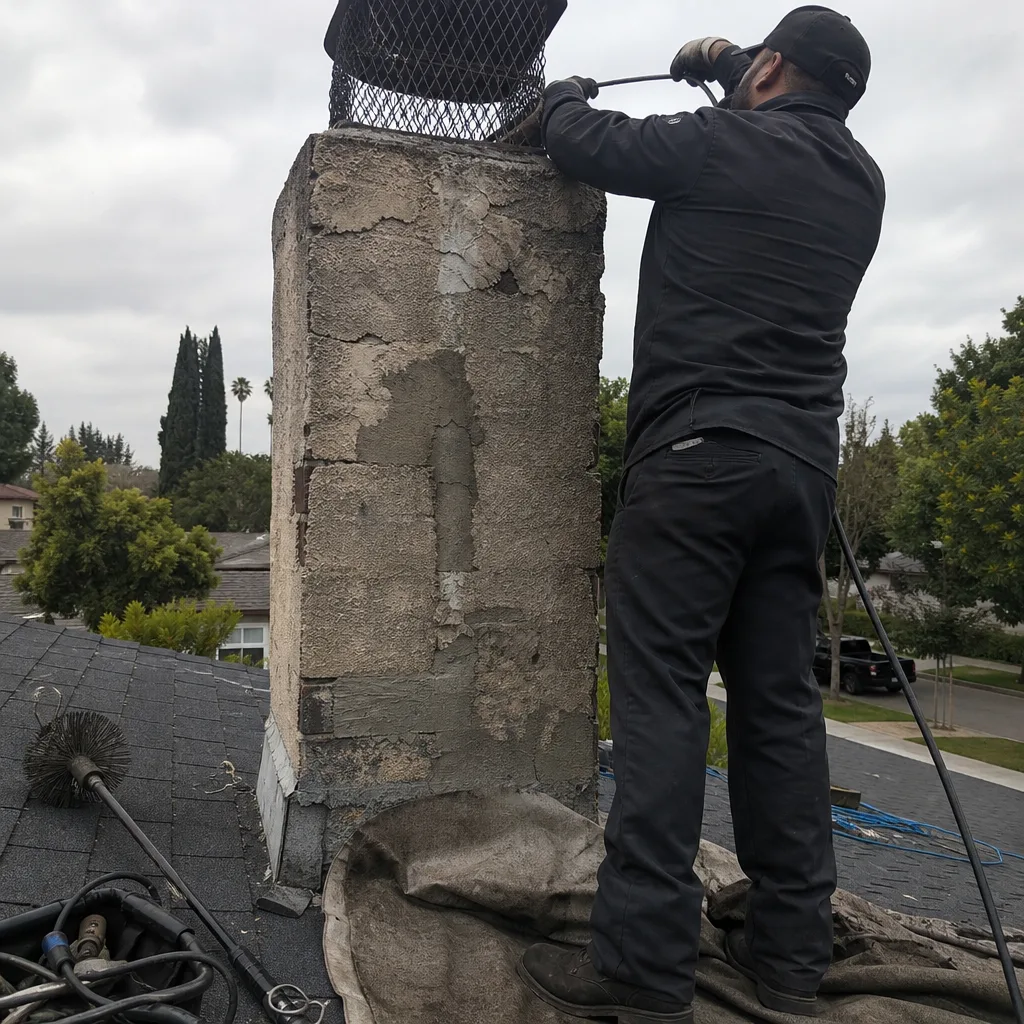 Before
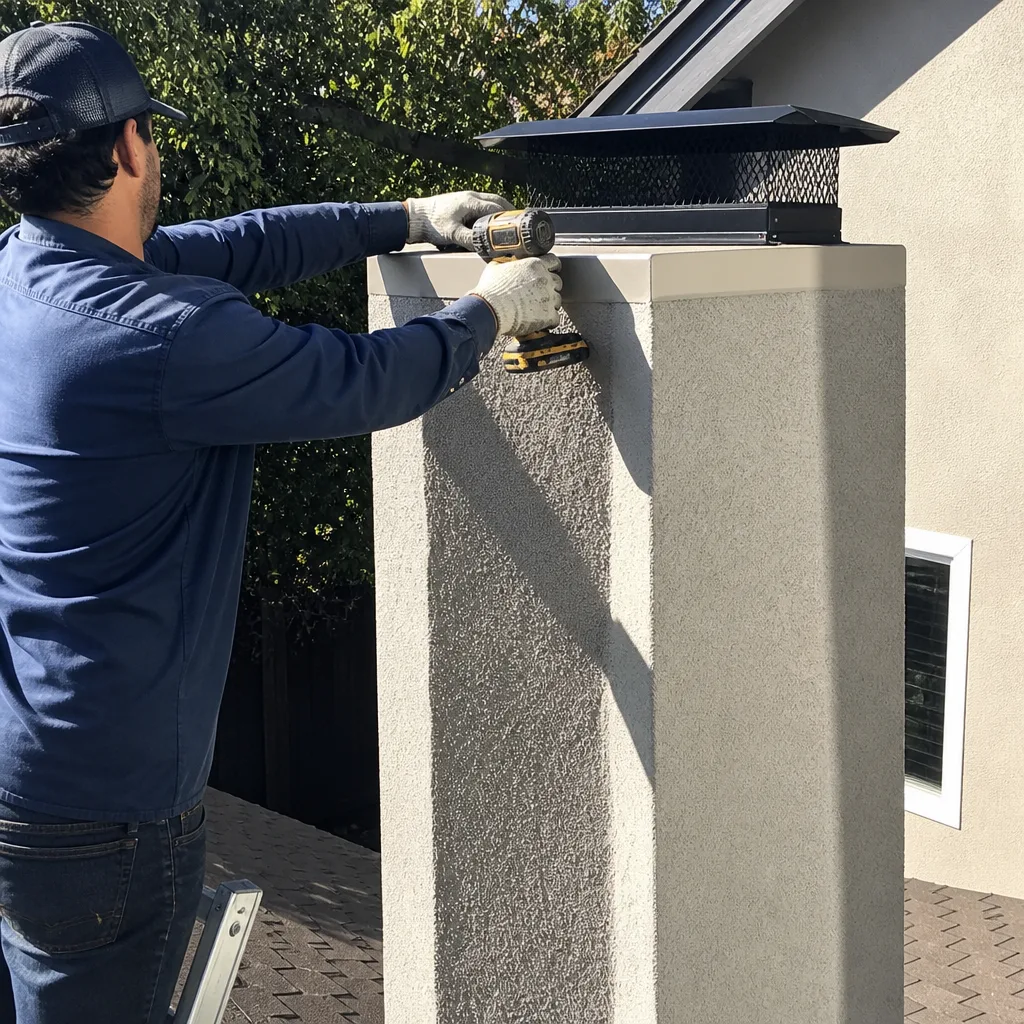 After
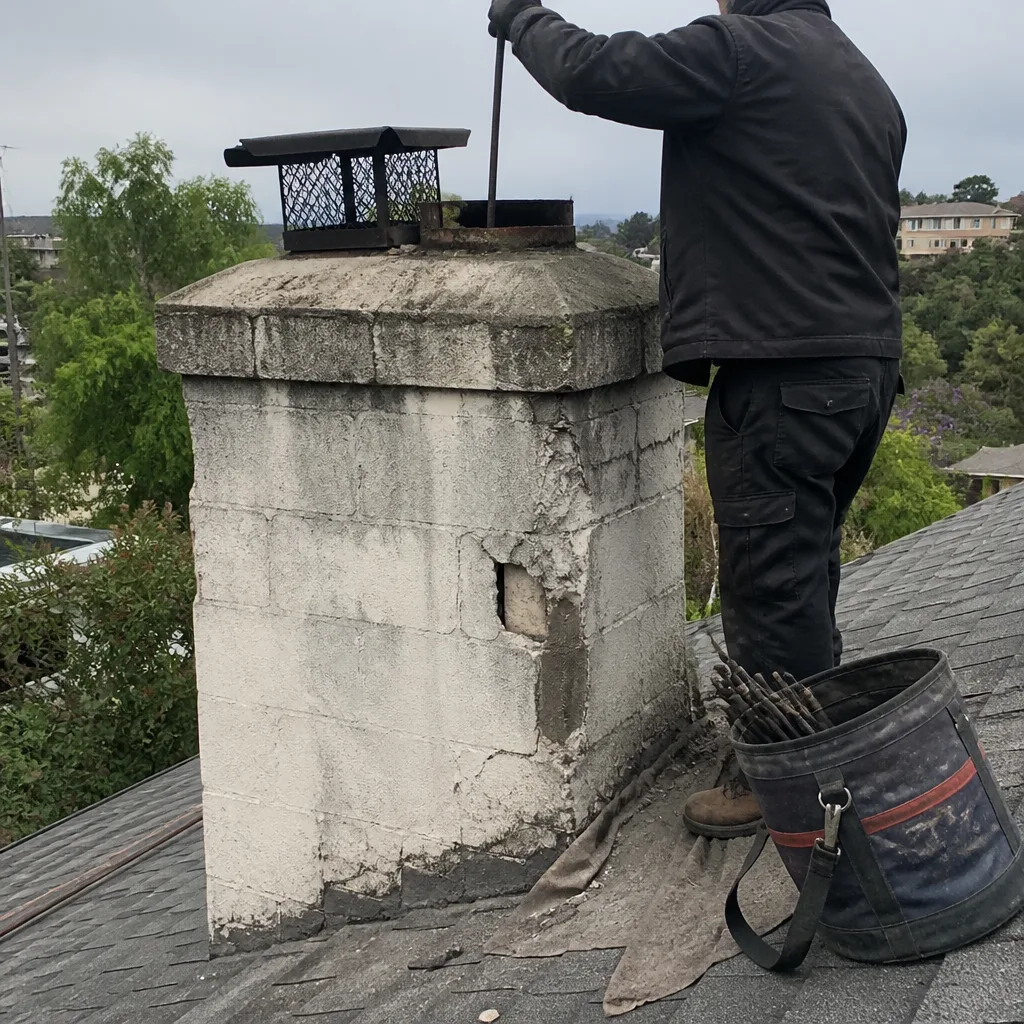 Before
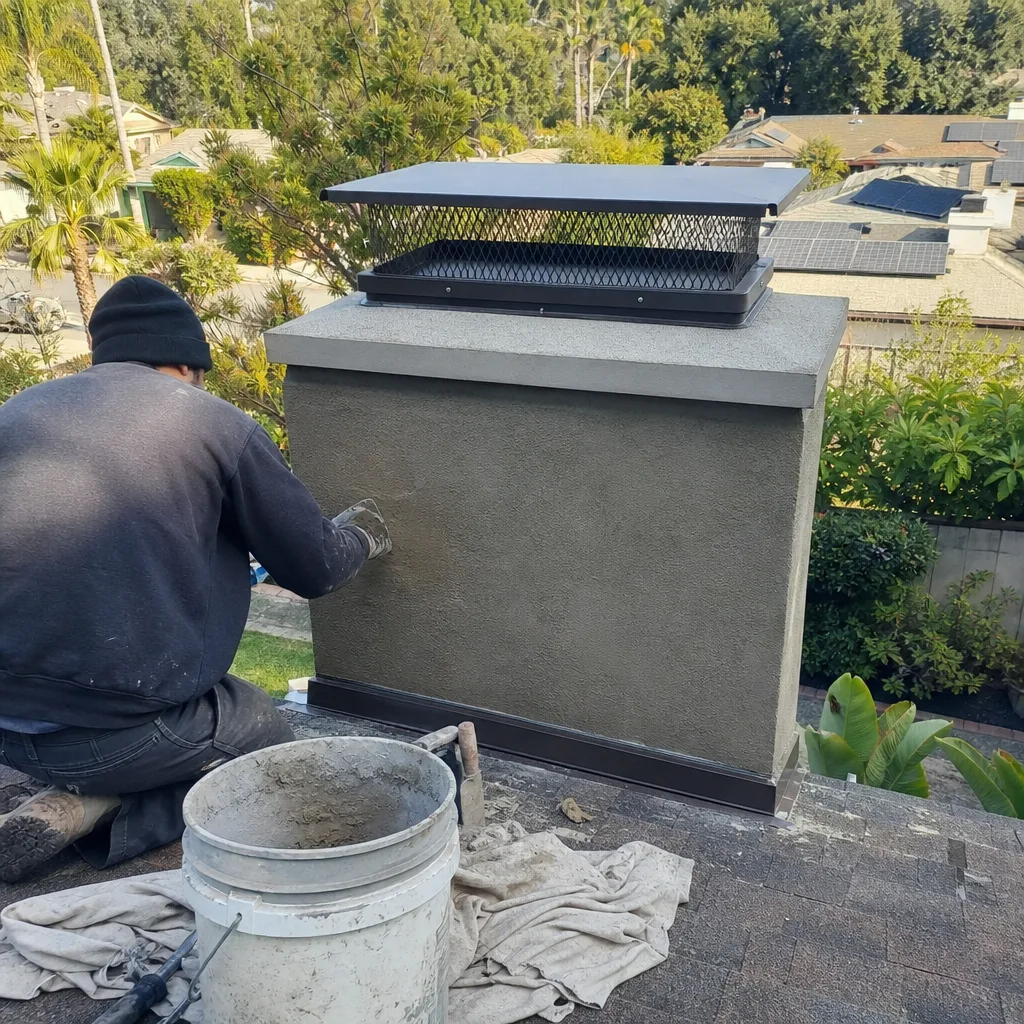 After
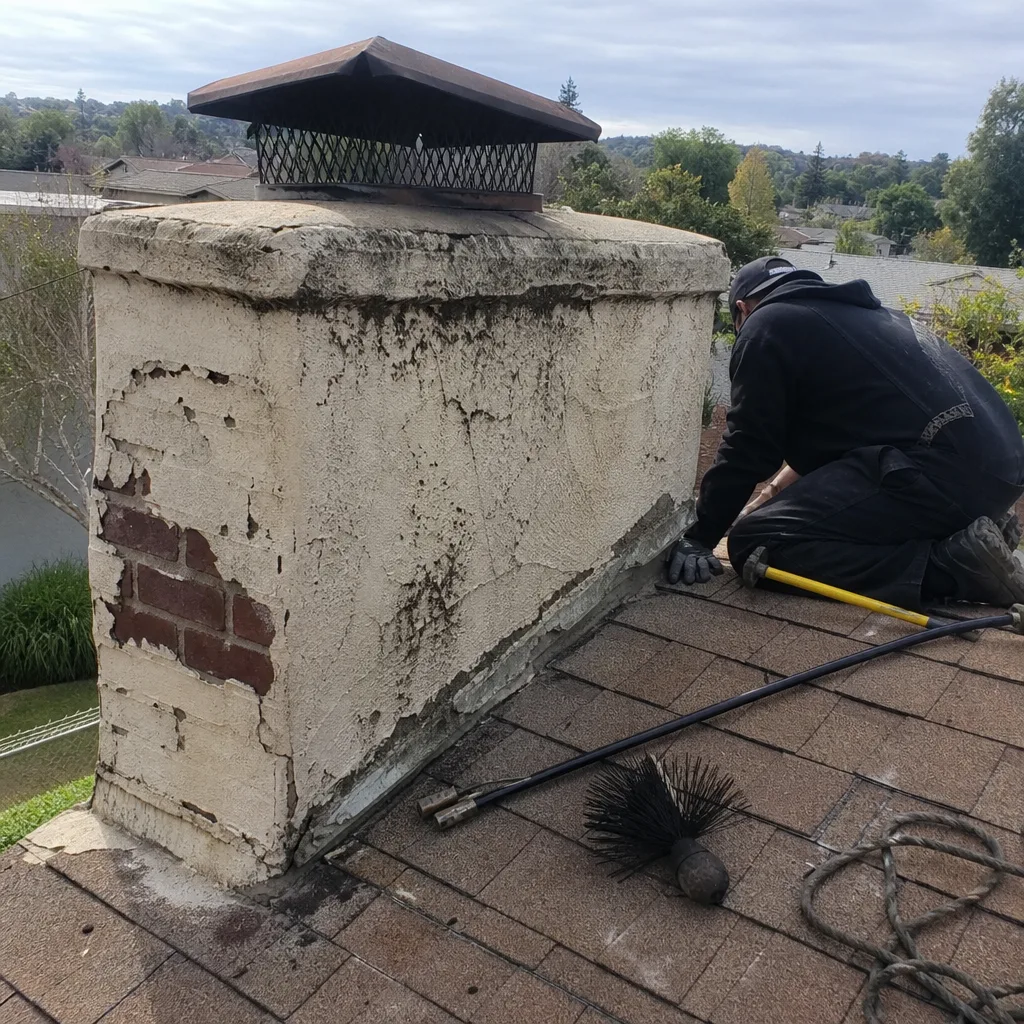 Before
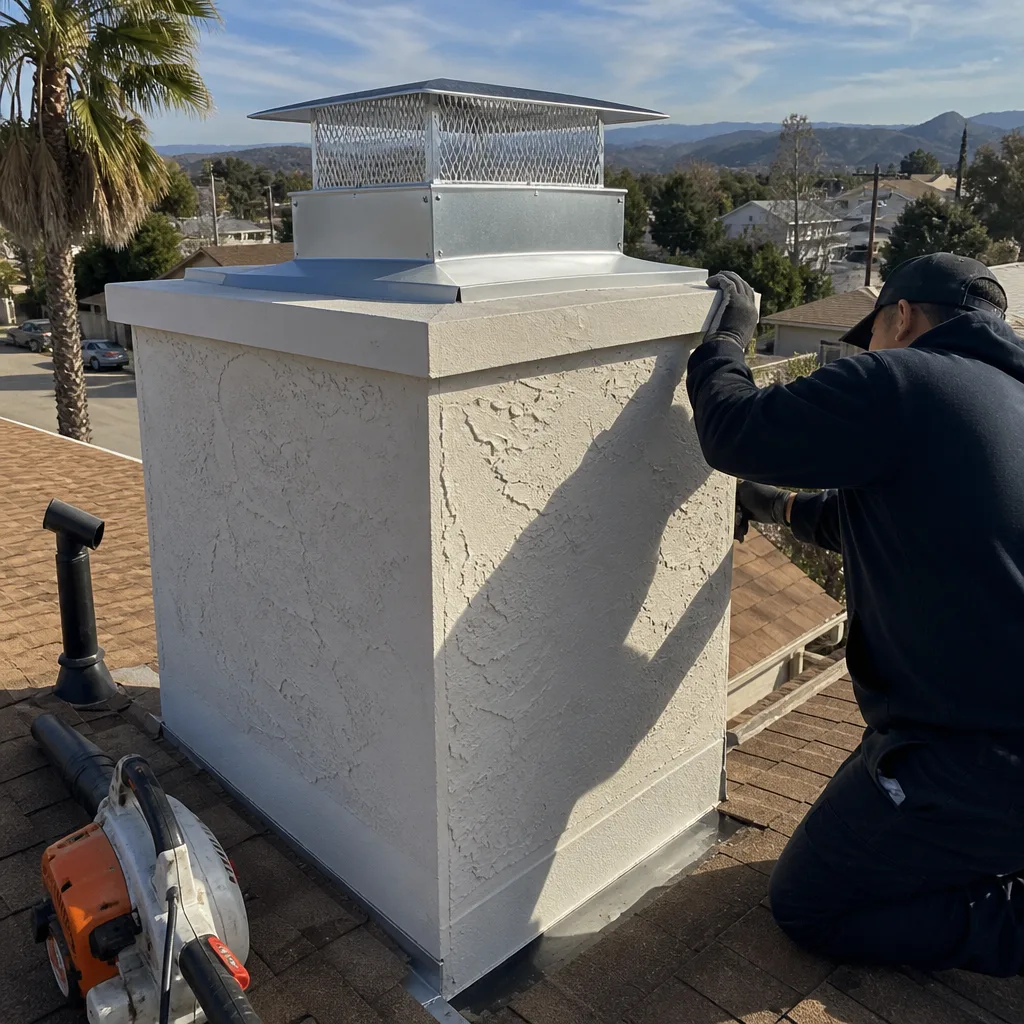 After