Last updated October 31, 2026
 Sweep & inspection
 Caps & crowns
 Flue relining
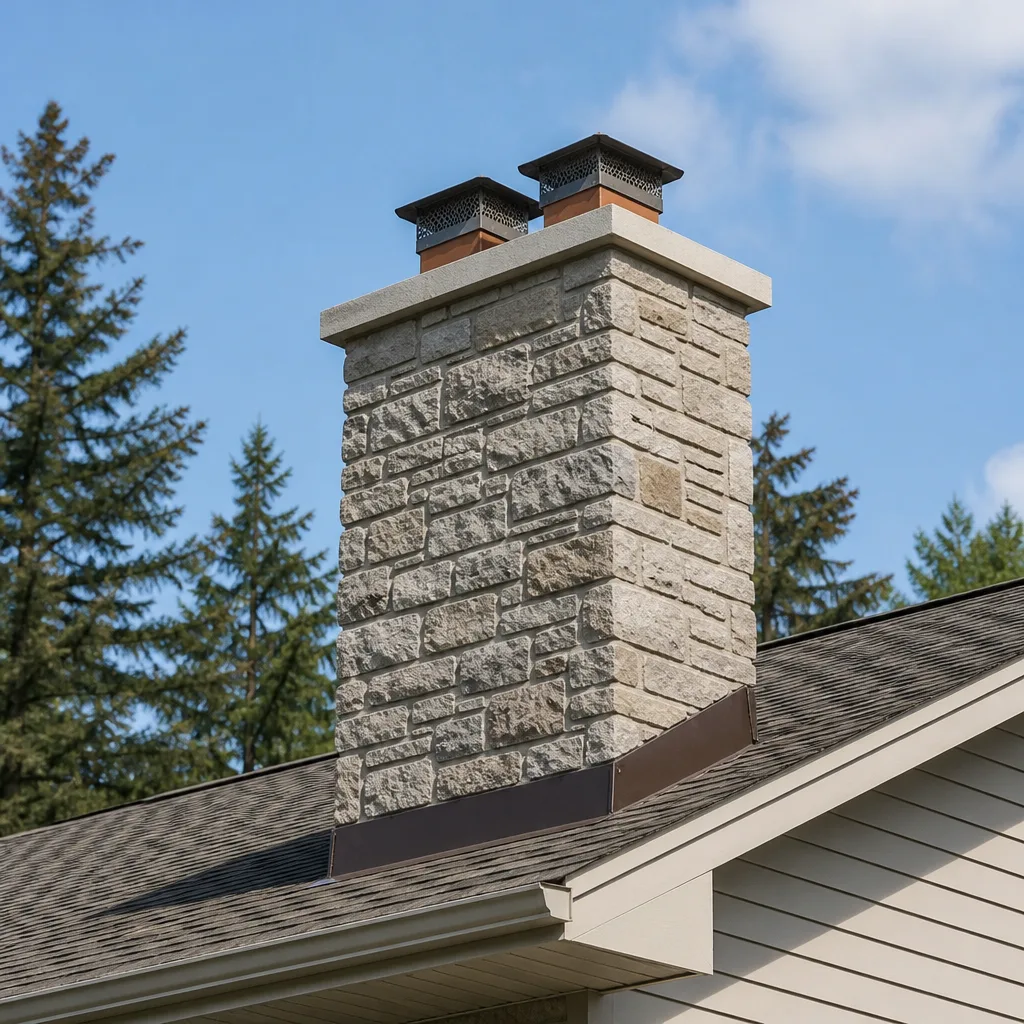 Masonry repair
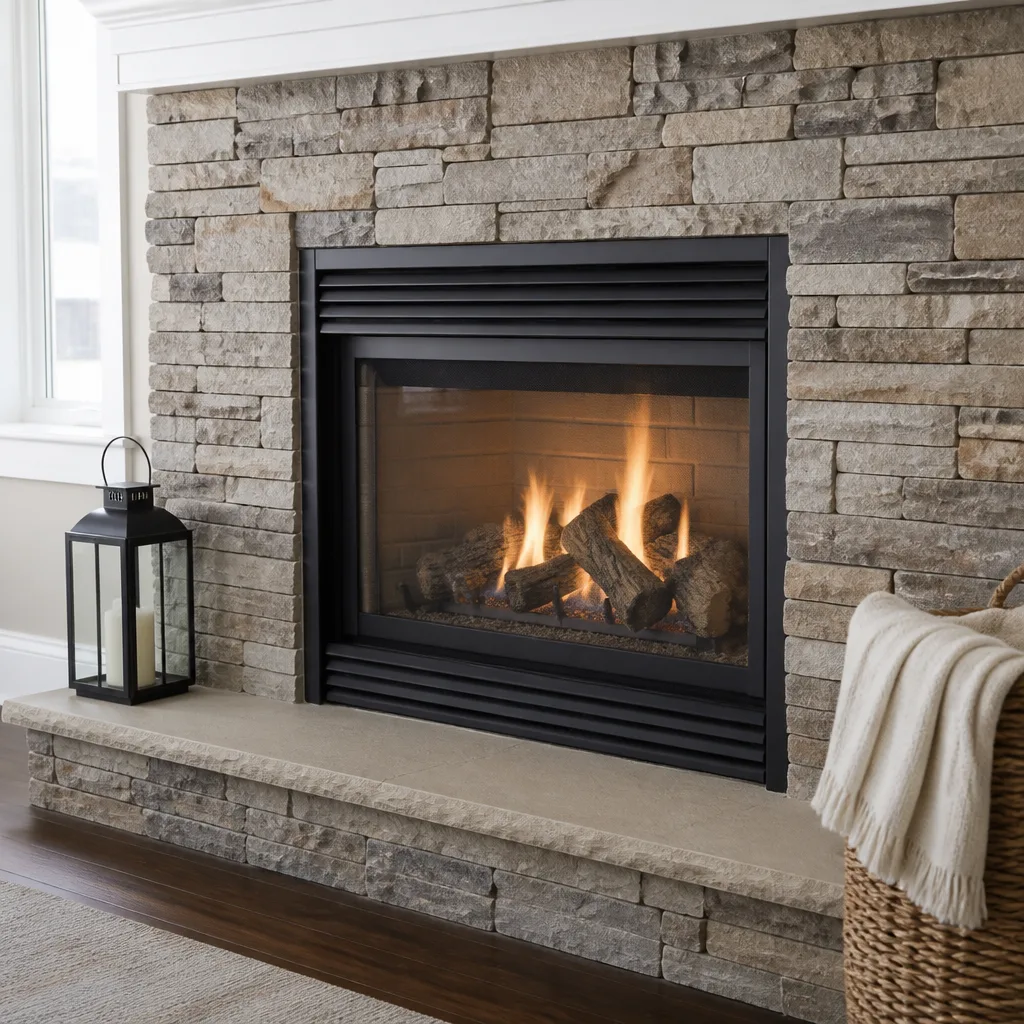 Gas fireplace service
Level 1 sweep and inspection to the NFPA 211 annual standard - flue, crown, cap, and flashing checked and photographed
Chimney sweep logs do not sweep chimneys. They loosen some creosote - which then falls where a brush and vacuum still have to collect it.
Chimney Cleaning Emergency Preparedness Guide for Universal City Homes
A chimney fire sounds like a low roar, somewhere between a freight train and a jet engine passing low over your roof. Inside the flue, temperatures can spike past 2,000°F while the liner, rated for roughly 700°F, begins to warp, crack, or separate at the seams. Most homeowners in Universal City have never heard that sound, and their first instinct when they do is often the worst possible response: throwing water into the firebox. This guide is the one you read before that moment. You’ll learn how to tell a chimney fire from a drafting problem, what to do in the first ten minutes, how Universal City’s tightly built homes create specific carbon monoxide risks, and why a chimney that appears to have “survived” an event still needs professional evaluation before you strike another match.
Styles & brands we work with
Quick Answer
Chimney emergency preparedness in Universal City means knowing the first ten minutes of a chimney fire protocol: close the damper and air inlets, evacuate everyone from the house immediately, call 911 from outside, and never throw water into the firebox because thermal shock can shatter the liner and accelerate structural damage. After the fire is out, do not use the fireplace again until a certified sweep performs a Level II inspection, since even a chimney that looks fine from the outside often has hidden cracks that make the next fire far more dangerous than the first. For more on what to watch for before an emergency, see our Chimney Cleaning Warning Signs: A Universal City Homeowner’s Reference Guide.
Table of Contents
- The First Ten Minutes: Chimney Fire Response Protocol
- Chimney Fire or Drafting Problem: Knowing the Difference
- Carbon Monoxide and Gas Venting in Universal City’s Sealed Homes
- After the Fire: Why a Level II Inspection Is Non-Negotiable
- Documenting a Chimney Event for Insurance
- Prevention: What Emergency-Ready Universal City Homes Do Differently
- Common Mistakes to Avoid
- When to Call a Professional
- Frequently Asked Questions
- The Bottom Line
The First Ten Minutes: Chimney Fire Response Protocol
When a chimney fire ignites, the sequence of your actions matters more than the speed of them. Panic produces mistakes, and mistakes turn a contained flue fire into a house fire. Here’s what to do, in order, the moment you recognize the signs: a loud roaring sound from the chimney, flames or dense smoke shooting from the top, or an intense vibrating or rumbling you can feel through the wall.
- Close the damper and all air inlets. If your fireplace has glass doors, close those too. This cuts the oxygen supply feeding the fire. Do this only if you can do it without getting close to the firebox.
- Get everyone out of the house. Humans and pets. Do not stop to gather possessions. Close the door behind you.
- Call 911 from outside. Tell the dispatcher it’s a chimney fire, not a room fire. This changes the response protocol. A chimney fire behaves differently than a structure fire and the fire department needs to know what they’re walking into.
- Do not throw water on the fire. This is the single most common mistake in Universal City homes, and it’s a dangerous one. Water hitting a superheated liner causes rapid thermal contraction, which can crack the liner catastrophically, spreading the fire into wall cavities and attic spaces.
- If you have a chimney fire extinguisher stick, such as a Chimfex, and only if it’s within arm’s reach, you can activate it and drop it into the firebox. But do not search for one. Evacuation first, always.
- Stay outside and wait for the fire department. Do not re-enter the house for any reason until you’re told it’s safe. Carbon monoxide and structural compromise are invisible until they’re not.
In our experience serving Universal City, we’ve seen chimneys where the homeowner did everything right in the first ten minutes but still lost the liner because the fire had been smoldering for hours before it became audible. Creosote doesn’t announce itself until ignition. This is why prevention matters as much as response, which we cover later in this guide.
Chimney Fire or Drafting Problem: Knowing the Difference
A chimney fire and a drafting problem can both produce alarming symptoms, but the response to each is completely different. Misidentifying one as the other means either calling 911 for a smoke spill, which wastes emergency resources, or treating a chimney fire as a minor nuisance, which risks the house. Here’s how to tell them apart.
A drafting problem happens when smoke and combustion gases fail to rise properly through the flue and instead spill back into the room. You’ll see smoke in the house, smell it immediately, and often notice it when the fire is just starting or when the weather outside is working against you. In Universal City, this happens more often than homeowners expect. The city sits in a topographic bowl, and on certain winter days, the temperature inversion traps cooler air over the area, disrupting the pressure differential that makes chimneys draw properly. If your chimney is on an exterior wall, which most are in this region, the flue cools faster overnight and loses draft in the morning.
A chimney fire, by contrast, is a combustion event inside the flue itself. The signs are more dramatic:
- Sound: A loud roaring or rumbling, often compared to a freight train or a low-flying jet. A drafting problem doesn’t roar.
- Sight: Flames visible at the chimney top, dense black smoke, or in some cases, what looks like small sparks or embers shooting out from the cap.
- Smell: A strong, acrid odor that some describe as hot tar or burning asphalt. Creosote is essentially wood tar, and when it burns, it smells industrial.
- Vibration: You may feel the masonry or the hearth physically vibrating. This one is hard to miss.
If you see one or more of the chimney fire signs, follow the protocol in the section above immediately. If you see smoke spilling into the room without the roar, without flames, and without the acrid smell, you’re likely dealing with a draft reversal. Open a window near the fireplace to break the negative pressure, do not add more wood, and let the fire burn down. Then call a sweep. Drafting problems are fixable, often with a chimney cap upgrade, a flue extension, or a liner correction, but they require diagnosis by someone who actually inspects flues professionally, not a generalist who guesses.
Carbon Monoxide and Gas Venting in Universal City’s Sealed Homes
Universal City’s housing stock skews toward mid-century construction and newer remodels, both of which trend toward tighter building envelopes. When a home is sealed up for efficiency, the appliance venting systems in that home lose their passive draft source. Here’s the physics: every fireplace, every gas water heater, every gas furnace that vents through a masonry chimney relies on a pressure difference between inside and outside air to pull combustion gases up and out. When a Universal City homeowner weatherizes with new windows, attic insulation, and door seals, they’re making the house tighter, which is good for energy bills and bad for natural draft.
A gas fireplace or gas log set vented through a masonry chimney produces carbon monoxide as a normal byproduct of combustion. In a properly functioning system, that CO exits through the chimney. When the flue is blocked, cracked, or when the house is too tight to provide adequate combustion air, the CO doesn’t leave. It backs up into the living space.
The risk is highest in Universal City homes with gas inserts installed into old masonry fireplaces without a proper liner. The original clay tile liner was designed for wood smoke volumes and temperatures, not for the tighter, cooler exhaust stream of a gas appliance. The result is often incomplete combustion, condensation, and the slow degradation of mortar joints. Add a construction sealant around the firebox, which is common in home remodel work, and you’ve created a closed system where CO has nowhere to go but back inside.
Working carbon monoxide detectors on every floor are non-negotiable in homes with gas venting. Universal City building requirements follow state standards on this, but a detector installed in 2010 is past its sensor lifespan. Check the manufacture date stamped on the unit. If it’s older than seven years, replace it. If you hear the detector go off, the response is not to open a window and wait. It’s to evacuate and call the gas utility or fire department from outside. Then call a chimney professional before using the fireplace again. A CO event in a gas-vented chimney is rarely a one-off. It’s a symptom of a venting failure that will repeat.
We specify venting components by name, including Copperfield and Famco products, because gas venting is a materials problem, not a guess. The fail points are predictable: deteriorated flue tiles, missing or blocked caps, corroded connector pipes, and improperly sized liners. A professional inspection finds these before a detector ever alarms.
After the Fire: Why a Level II Inspection Is Non-Negotiable
Every chimney fire, even one that appears minor from the outside, causes some degree of damage. The question is never whether damage occurred. The question is where and how much. A Level II inspection answers that question.
Here’s what happens inside a chimney during a fire: creosote ignites and burns at temperatures that can exceed 2,000°F. The clay tile liner, rated for roughly 700°F, undergoes thermal stress far beyond its design limit. The result is cracking, spalling, or outright separation of the tile sections. These cracks may be invisible from the outside of the chimney. They may be invisible from the firebox looking up. But they create gaps through which heat and combustion gases from the next fire can reach the wood framing of your Universal City home.
A Level I inspection is the standard visual check that accompanies routine chimney sweeping. It examines the accessible portions of the flue, the firebox, and the cap. A Level II inspection goes further. It uses video scanning equipment to inspect the entire length of the flue from top to bottom, including sections that can’t be seen with the naked eye. This is the only way to identify hidden cracks, separated tile sections, or compromised mortar joints in the upper flue, which is where most post-fire damage concentrates.
After a chimney fire, even a small one, the industry standard and the requirement of most insurance carriers is a Level II inspection before the fireplace is used again. The alternative is gambling that the liner held, and the cost of losing that gamble starts with the house itself.
If the inspection reveals liner damage, the repair path is straightforward for a company equipped for it. HeatShield resurfacing can restore a ceramic liner in many cases without a full rebuild, and it’s a material we use in Universal City specifically because it’s designed for this failure mode. When the damage is too extensive for resurfacing, a DuraFlex flexible liner system relines the chimney from the inside, restoring a continuous, code-compliant flue. The point is that the solution exists and the inspection tells you which one applies.
Documenting a Chimney Event for Insurance
Homeowners insurance in Universal City typically covers chimney fire damage, but claim approval often hinges on documentation. The insurer wants evidence that the fire occurred, that the damage resulted from it, and that the homeowner took reasonable steps to mitigate further damage. Here’s what to document, in order, starting the day of the event.
- The fire department report. When firefighters respond to a chimney fire, they file an incident report. Request a copy or at minimum the report number. This is the foundational document for any claim.
- Photographs of the exterior. Shoot the chimney from multiple angles, including the cap, the crown, and any visible smoke staining or spalling. Do this the same day if possible, before weather alters the evidence.
- Photographs of the interior. The firebox, the damper, the hearth. If creosote residue or soot is visible, document it. If you have before photos from a previous inspection or sweep, include those for comparison.
- The professional inspection report. This is where professional reporting matters. A video scan of the flue produces timestamped footage showing cracks, gaps, or damage in the liner. A written report from a certified sweep that connects the observed damage to the fire event, in the professional’s judgment, adds weight to the claim. Insurers process these claims faster when the damage is documented by a specialist who can speak to the failure mode.
- Receipts for any immediate mitigation. If you paid for a temporary cap, a tarp, or any service to stabilize the chimney before full repairs, keep the receipts.
One more thing: do not perform repairs before the insurance adjuster has seen the damage, unless the home is actively unsafe and you have no choice. Repairs done before documentation can create disputes about what condition the chimney was in. The correct sequence is: document, inspect, report, then repair.
Prevention: What Emergency-Ready Universal City Homes Do Differently
The homes in Universal City that never have chimney emergencies are not lucky. They follow a different maintenance rhythm, and that rhythm is based on fuel type and usage, not on a calendar guess. For a practical framework, see our Chimney Sweep Maintenance Checklist for Universal City Homeowners. Here’s what emergency-ready homes do.
First, they get swept on a schedule that matches how they burn. A home that burns a fire three to four nights a week from November through February accumulates creosote faster than a home that lights the fireplace twice a season. The rule of thumb is an annual inspection when burning season ends, with sweeping when creosote accumulation reaches a threshold the inspector can measure. Homes that burn unseasoned wood, which is common when fuel is scavenged rather than purchased, need more frequent attention. Wet wood cools the flue and condenses tar faster than dry wood.
Second, they verify the cap. The chimney cap is the single highest-value component on an exterior chimney, and in Universal City’s dry, breezy climate, caps take a beating. A missing or damaged cap invites rain, which accelerates liner deterioration, but it also invites debris from overhanging trees and, critically, birds. Bird nests inside a flue are a leading cause of blocked vents in this region. The fix is simple: a proper cap, not a hardware store mesh screen.
Third, they treat gas venting with the same seriousness as wood burning. A gas fireplace that vents through a masonry chimney is not maintenance-free just because there’s no smoke. Gas combustion produces moisture that attacks clay liners from the inside, and the corrosion accumulates invisibly until the day it doesn’t. An annual inspection of a gas-vented chimney is the same standard as a wood-burning one.
Fourth, they use a company that handles the full venting system. The Causeway Chimney Sweep home services chimney sweeping, chimney repair, and dryer vent cleaning under one roof, and in our experience, the homes that treat all three as one system are the homes that avoid emergencies. A dryer vent is a venting system, not an afterthought. Lint buildup in a dryer vent is a documented fire hazard, and in tightly built Universal City homes, a clogged dryer vent also creates negative pressure that can interfere with chimney draft. These systems interact. Treating them separately means missing the interaction.
Fifth, they keep records. Every sweep, every inspection, every repair. When an insurance claim happens, the homeowner with three years of documented maintenance is in a different position than the homeowner who can’t remember when the chimney was last looked at.
For Universal City specifically, the Chimney Sweep in Universal City standard should be an annual inspection before burning season, with sweeping as indicated. Homes with regular gas log use follow the same schedule. Homes that sit vacant for long periods, which is common in this market, need an inspection before the first fire of the season, not after. Nests, debris, and moisture can accumulate in an idle flue in a matter of months.
Common Mistakes to Avoid
- Throwing water on a chimney fire. Thermal shock is real, and it shatters liners. The fire department will handle it. Your job is evacuation.
- Treating a chimney fire as a one-off event. A chimney fire changes the liner. Using the fireplace again without a Level II inspection is betting the house on an assumption.
- Ignoring a CO detector that alarms once and stops. CO doesn’t clear itself. If a detector alarms, even briefly, the venting failure that produced it still exists. Evacuate and investigate.
- Skipping the annual inspection because the chimney “looks fine.” The dangerous part of a chimney is the flue interior, and no homeowner can see it. In Universal City’s dry summers, creosote can condition and become more flammable even without active burning.
- Using a generalist contractor for chimney work. Chimney and venting systems are governed by specific codes and material requirements. A handyman who paints exteriors cannot diagnose flue tile damage. Hire the specialist.
- Waiting to reline a known-damaged chimney. Once an inspection identifies liner cracks, the clock is running. Every subsequent fire pushes heat into the wall cavity. A Chimney Repair in Universal City that’s deferred is a fire waiting for a date.
- Burning unseasoned wood to save money. Wet wood produces more creosote, and faster. The money saved on fuel gets spent on more frequent sweeping and, eventually, liner repair.
When to Call a Professional
Call a chimney professional if you’ve had any chimney fire, however minor it appeared. Call if your CO detector has alarmed, if you smell smoke in the house when the fire is burning normally, if you see water staining on the ceiling near the chimney, if mortar or tile fragments appear in the firebox, or if birds or animals are active around the chimney top. Call before burning season starts if it’s been more than a year since the last inspection. Causeway Chimney Sweep offers free estimates in Universal City. Call (877) 500-2276 to schedule an inspection or discuss what you’re seeing. If you’re unsure whether a symptom is serious, call anyway. An unanswered question about chimney safety is not a question to sit on.
Frequently Asked Questions
Chimneys in Universal City should be inspected annually, with sweeping performed when creosote buildup reaches a measurable threshold, typically any time the deposit exceeds one-eighth of an inch in the flue. Homes that burn three or more fires per week during the season often need sweeping every year, while occasional-use fireplaces may stretch to every two years, but the annual inspection is the non-negotiable part. Call (877) 500-2276 for an exact recommendation based on your usage pattern.
A chimney fire sounds like a loud roar or rumble coming from inside the chimney, often described by homeowners as similar to a freight train, a low-flying aircraft, or an industrial furnace. If you hear this sound, close the damper if you can safely reach it and evacuate everyone from the house immediately.
Not always, but you won’t know without a Level II inspection. A video scan of the flue interior will reveal whether the existing liner is cracked, separated, or structurally compromised. In Universal City homes with minor damage, a HeatShield resurfacing may restore the liner to full function without a replacement. In cases with more extensive damage, a DuraFlex liner system provides a complete reline. The inspection tells you which applies, and guessing without one is not a safe alternative.
Yes, and the risk is elevated in newer or remodeled Universal City homes that have been sealed for energy efficiency. Gas fireplaces and gas log sets produce carbon monoxide that normally vents through the chimney, but a blocked, cracked, or improperly lined flue can send that CO back into the living space. Working CO detectors on every floor are essential, and any CO alarm should be treated as a venting system failure until proven otherwise.
Creosote accumulates in layers along the flue walls, and in Universal City’s climate, those layers can become hardened and highly flammable. The first symptom may be nothing at all, followed by a chimney fire that reaches temperatures triple what your liner can withstand. Or the first symptom may be smoke spillage, a CO alarm, or water damage from a deteriorating flue. The common thread is that the first symptom is usually more expensive than the sweeping would have been. Call (877) 500-2276 to schedule an inspection before the symptoms arrive.
It is, and in ways most homeowners don’t expect. A clogged dryer vent is a house fire hazard on its own, but in a tightly built home, a restricted dryer vent also creates pressure imbalances that can interfere with chimney draft and pull combustion gases the wrong direction. The venting systems in a home interact, which is why Dryer Vent Cleaning in Universal City is a safety service, not a convenience add-on.
The Bottom Line
Chimney emergencies in Universal City follow predictable patterns. Creosote ignites after years of accumulation. A tight home traps carbon monoxide that a damaged flue fails to vent. A fire that appears minor leaves hidden damage that makes the next fire catastrophic. Preparation means knowing the ten-minute protocol, recognizing the difference between a fire and a draft problem, maintaining working CO detectors, and scheduling annual professional inspections. It means treating every venting system in the home, from the chimney to the dryer, as connected infrastructure. And it means documenting everything, because insurance claims succeed on evidence. The homes that avoid emergencies are the homes that inspect before the season, sweep when the inspection says to, and call a specialist when the symptom is unclear. If you’re in Universal City and you haven’t had your chimney inspected this year, call (877) 500-2276 for a free estimate. The season doesn’t wait.
Written by the team at Causeway Chimney Sweep, serving Universal City since 2015. Browse our more guides & resources.
See the difference
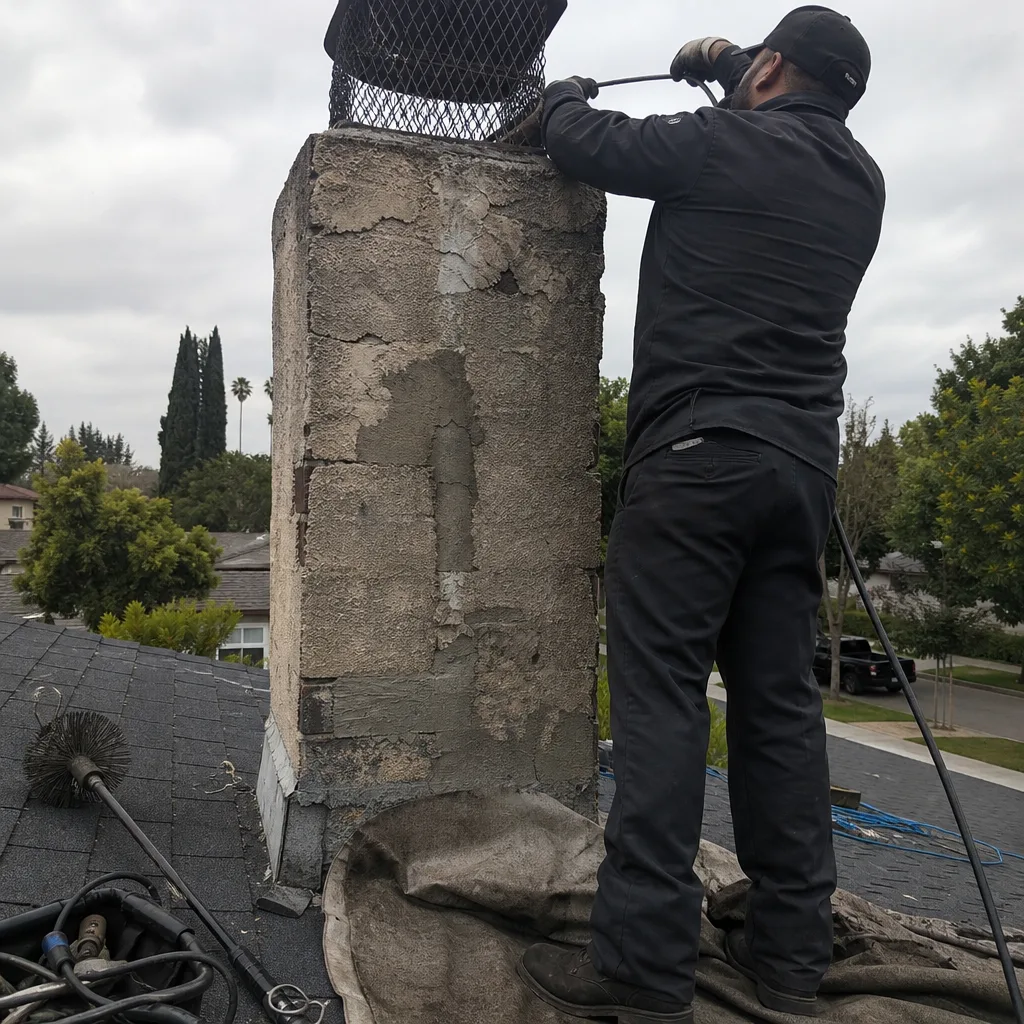 Before
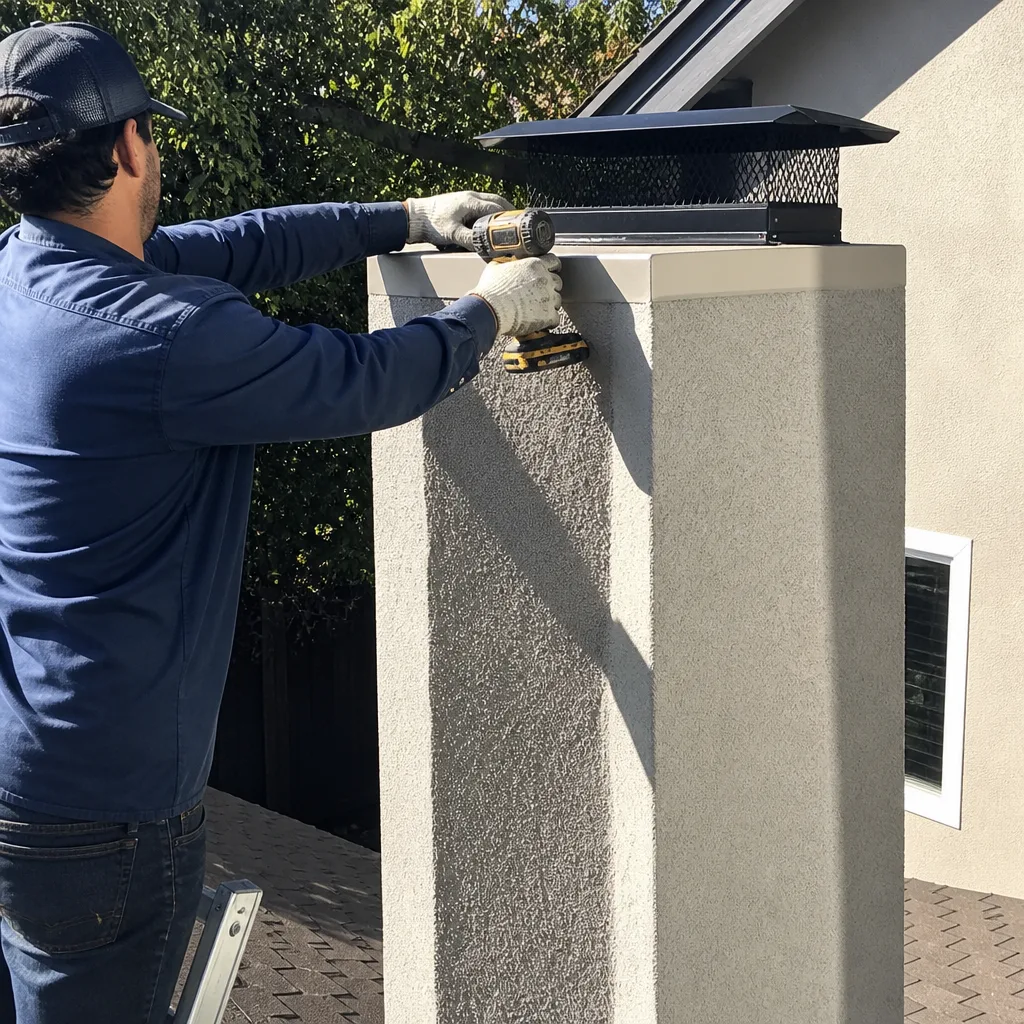 After
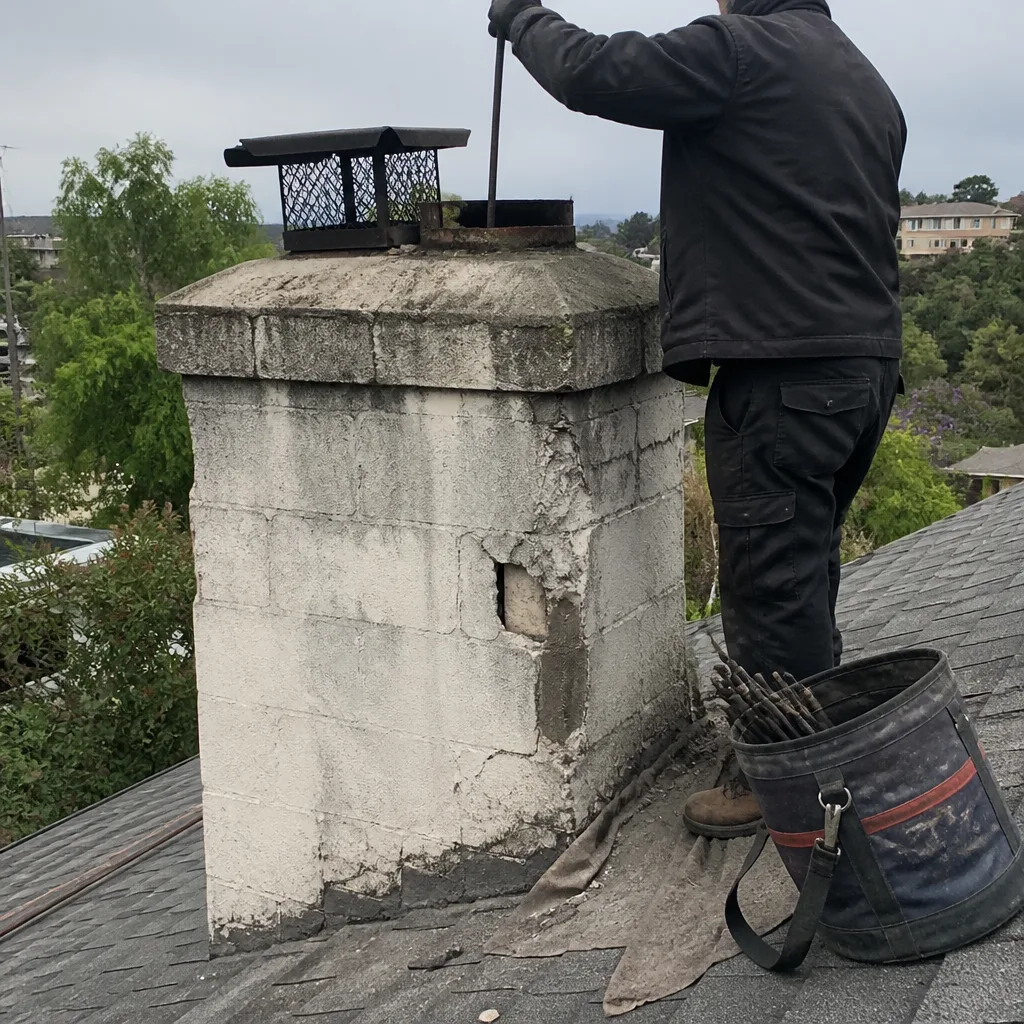 Before
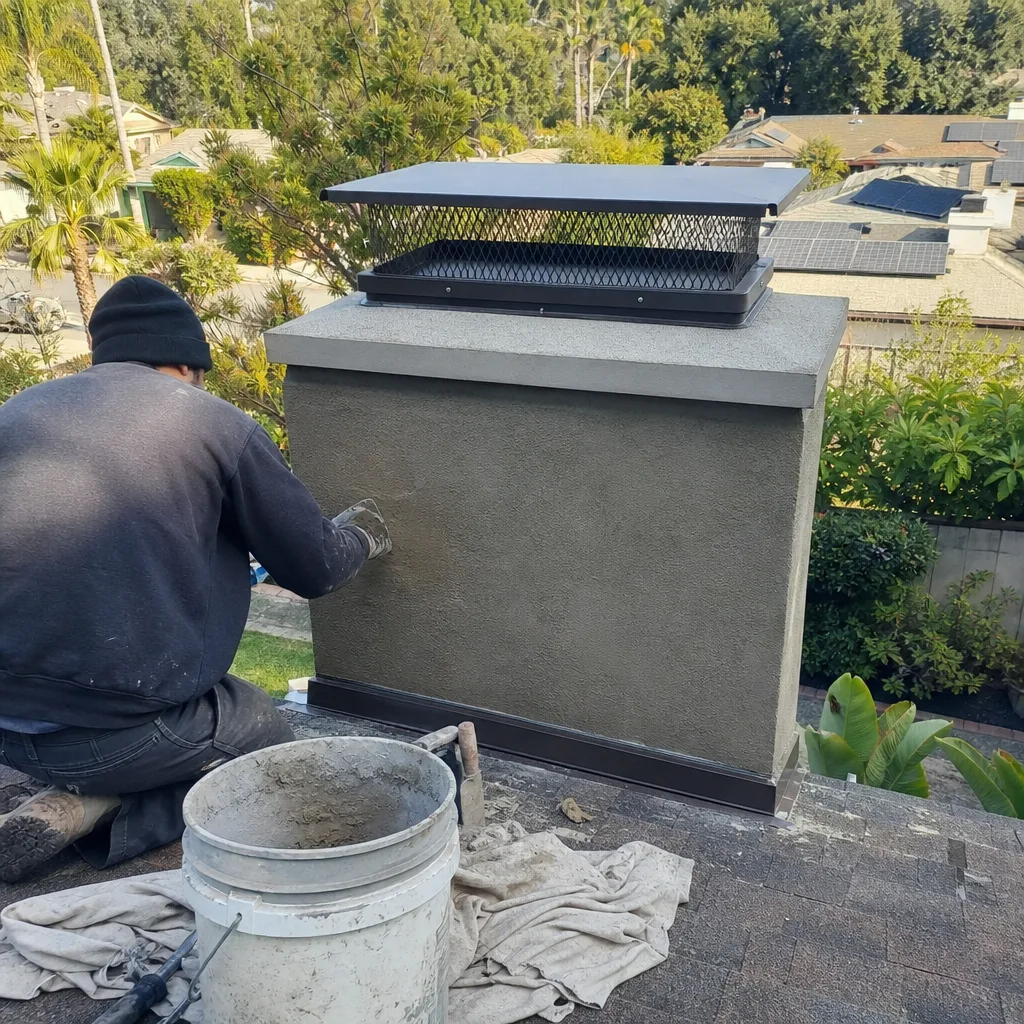 After
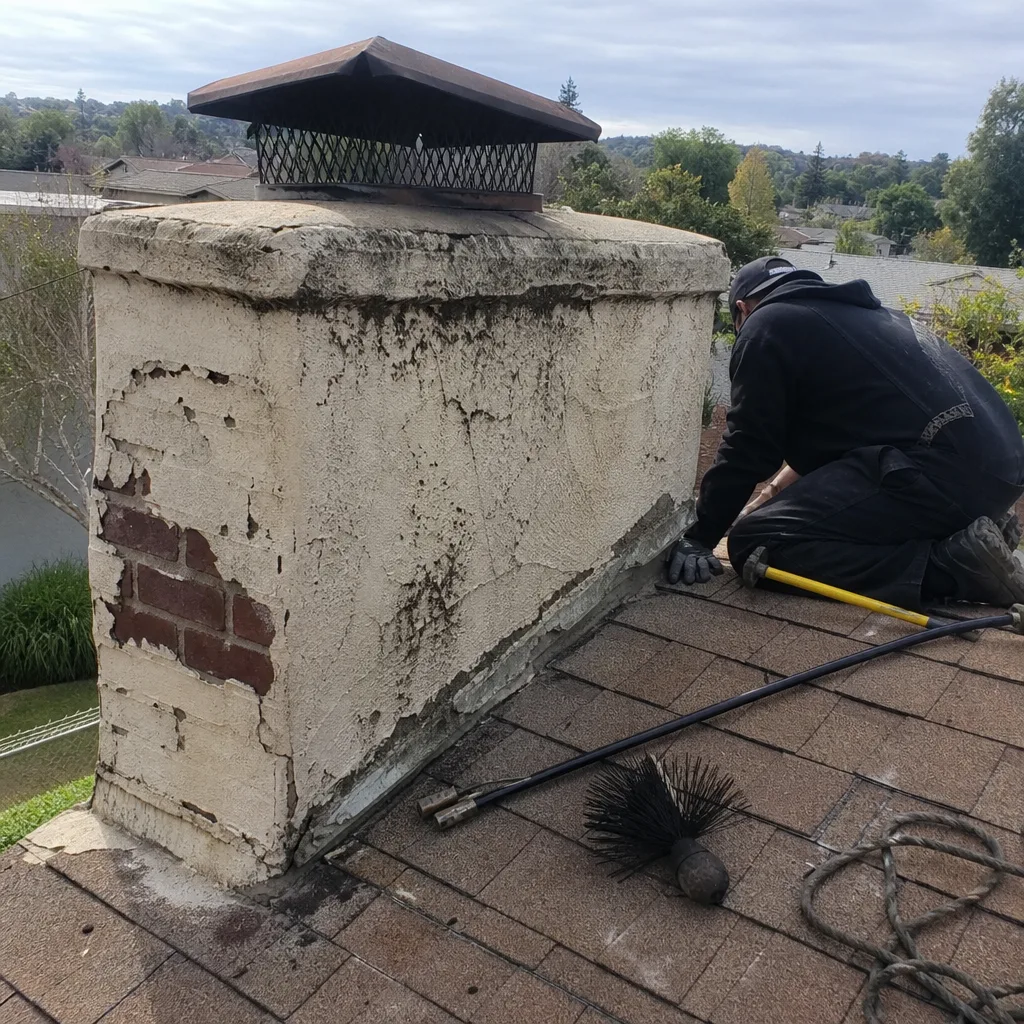 Before
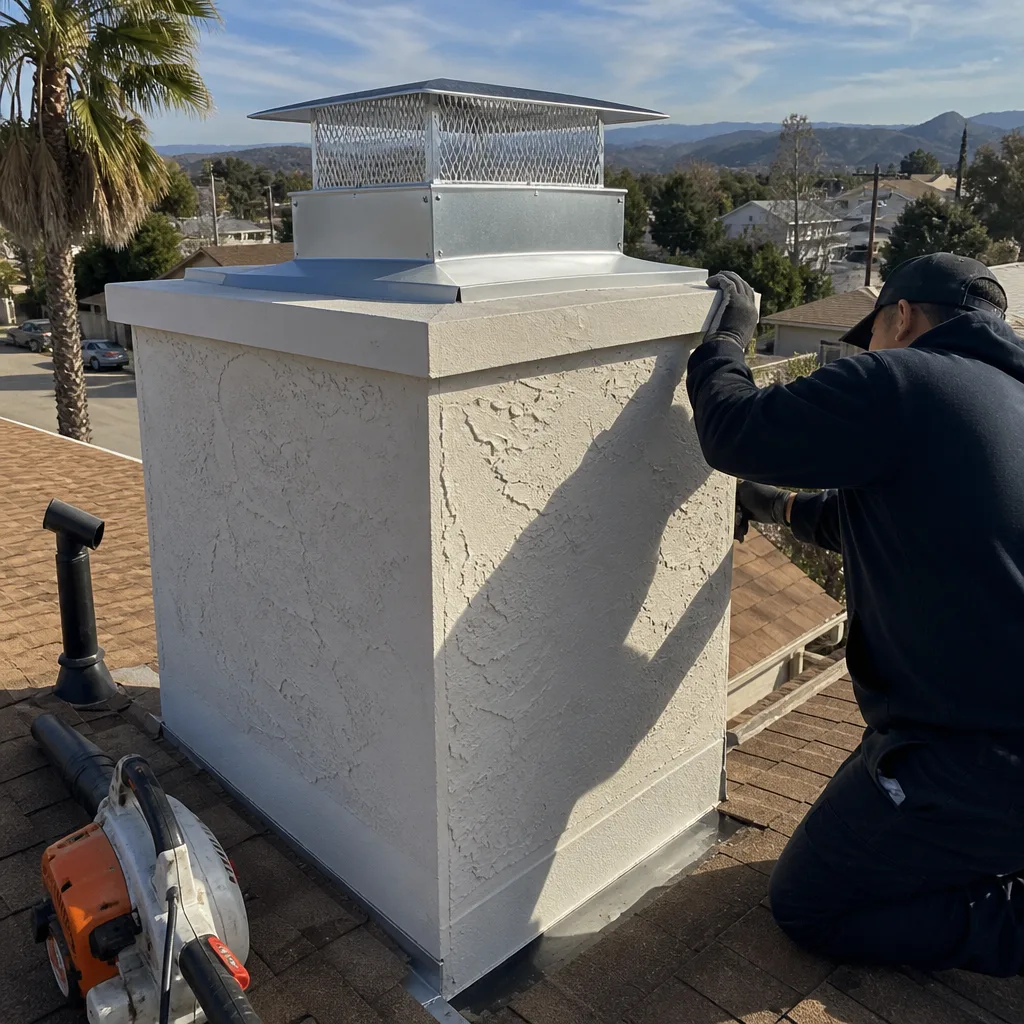 After