Last updated October 31, 2026
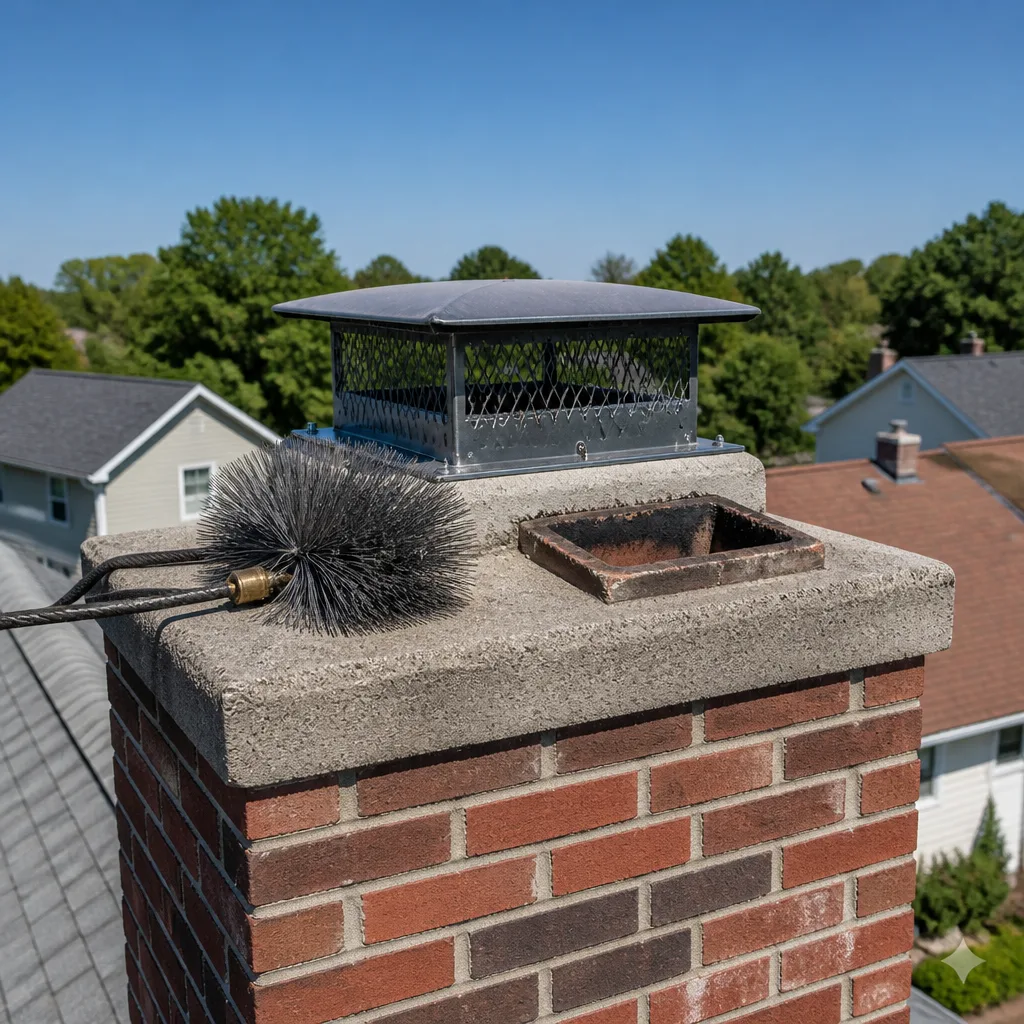 Sweep & inspection
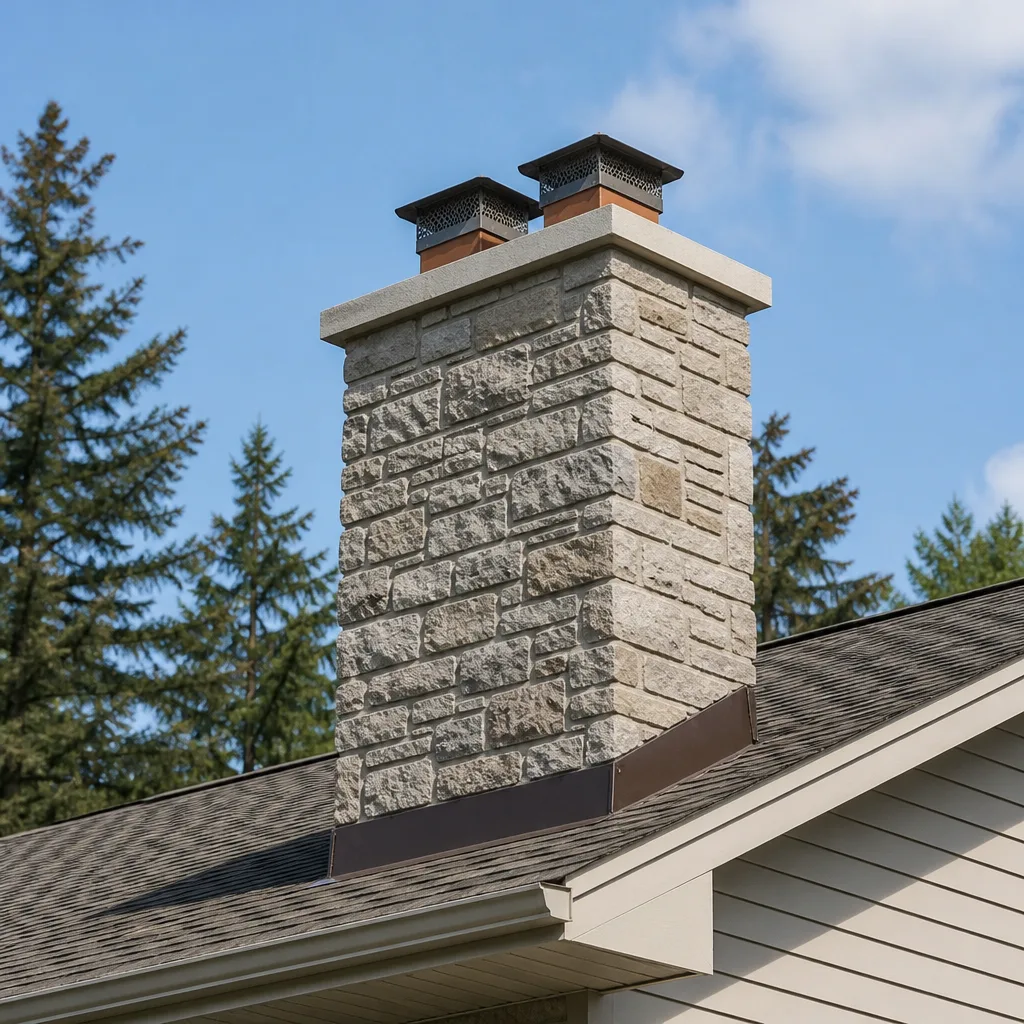
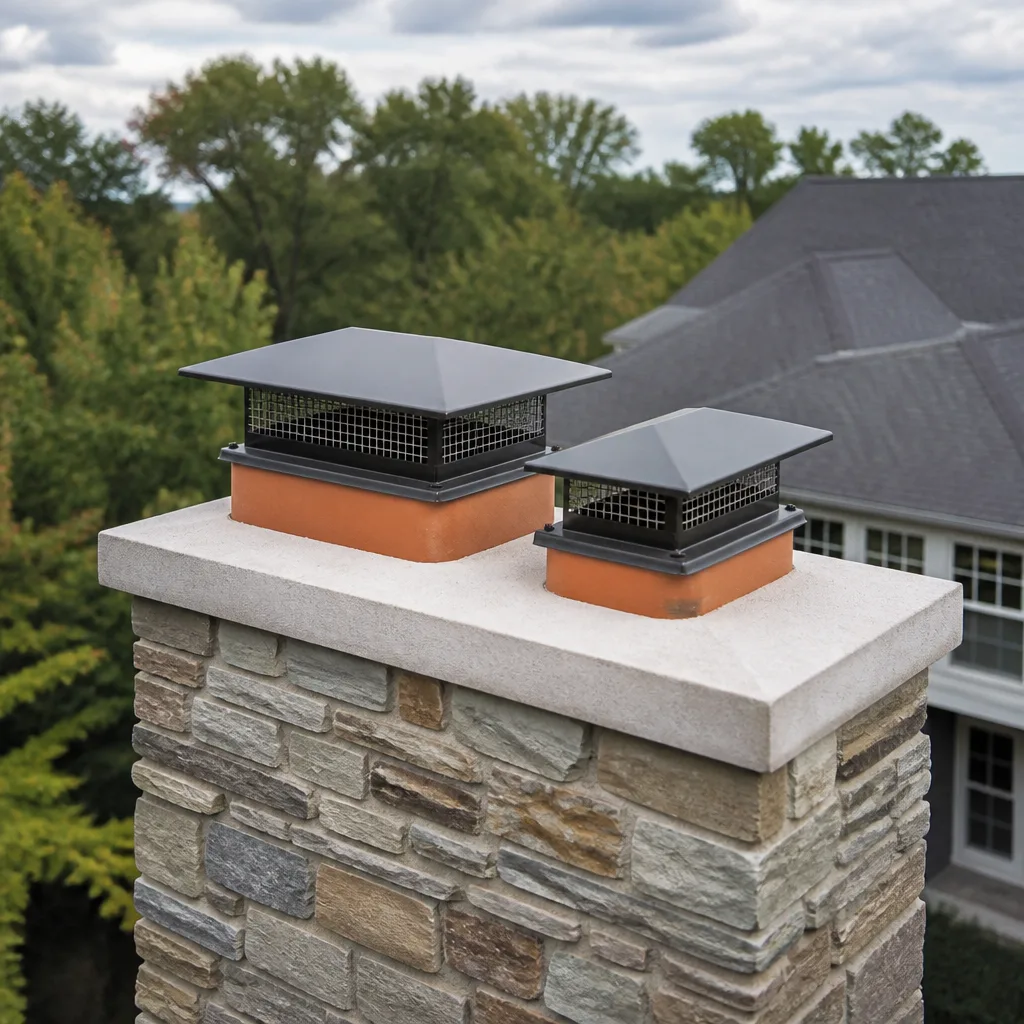 Caps & crowns
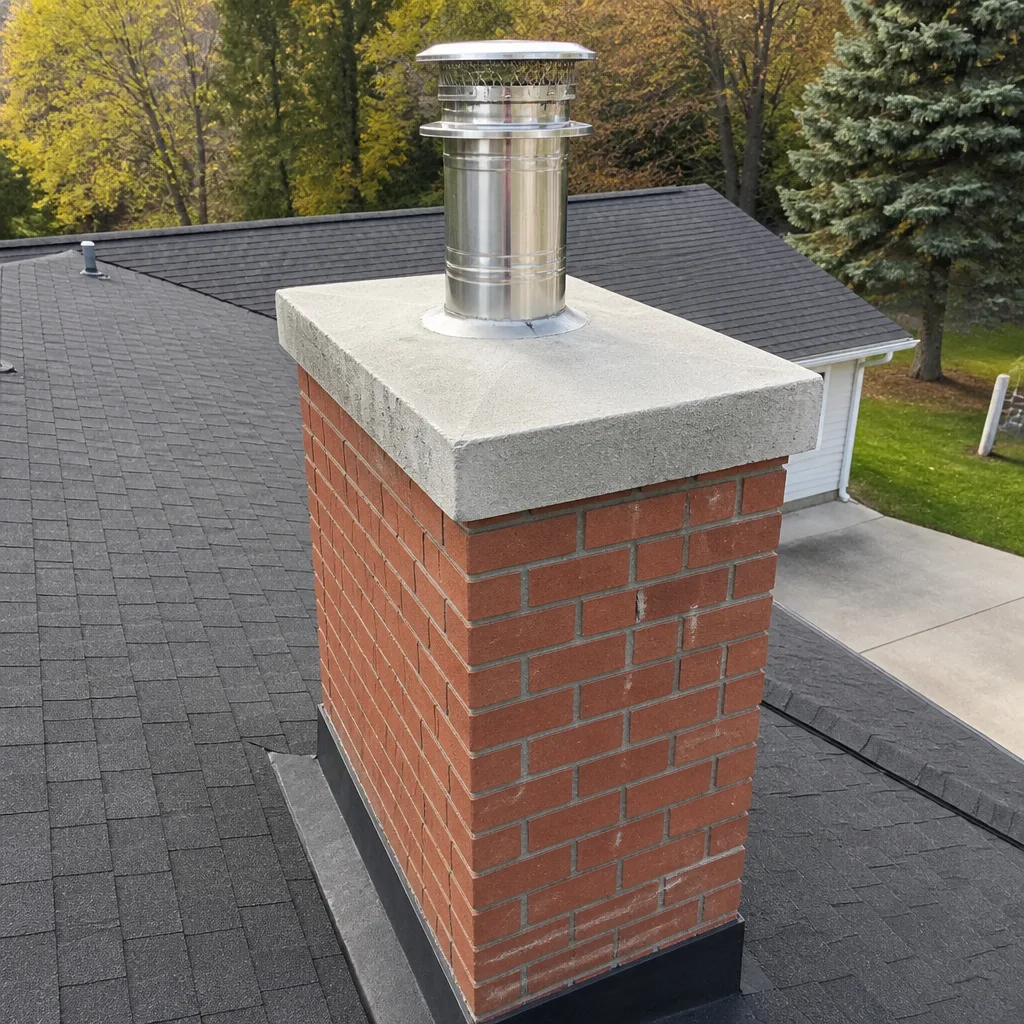 Flue relining
 Masonry repair
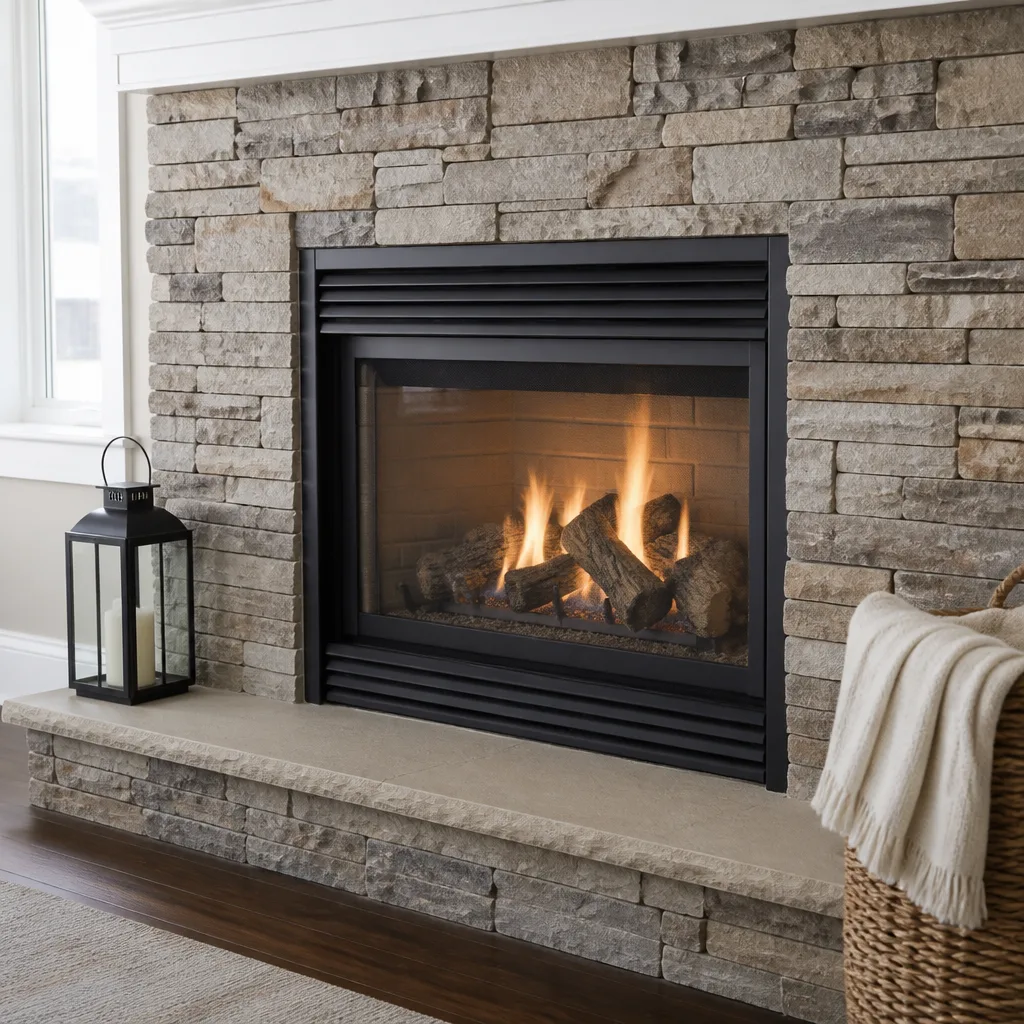 Gas fireplace service
Level 1 sweep and inspection to the NFPA 211 annual standard - flue, crown, cap, and flashing checked and photographed
Chimney sweep logs do not sweep chimneys. They loosen some creosote - which then falls where a brush and vacuum still have to collect it.
The Complete Chimney Sweep Guide for Universal City Homeowners
Most Universal City homeowners use their fireplace fewer than 15 nights a year. That sounds like good news for your chimney. It isn’t. Low-frequency burning is exactly what produces the densest, hardest creosote deposits in Southern California flues, and the way our canyon winds push particulate through Universal City means a chimney that hasn’t been lit since February can still be half-clogged by October. If you’ve been assuming occasional use means minimal maintenance, The Complete Guide to Chimney Cleaning in Universal City will walk you through what’s actually happening inside your flue, what your inspection options really cover, and how to tell the difference between work that’s urgent and work that can wait.
Styles & brands we work with
Quick Answer
Chimney Sweep services in Universal City CA typically cost between $149 and $250 for a standard wood-burning fireplace, with inspection bundled in. Even if you only burned twice last winter, an annual inspection is the minimum standard because creosote from low-temperature fires hardens quickly, and our wind season deposits debris that can block a flue without any fire at all. Book your sweep before the first burn of the season, and always choose a company that can show you camera evidence of what they’re recommending.
Table of Contents
- Why Low-Use Chimneys in Universal City Get Dirtier Faster
- What a Full Chimney Sweep Actually Covers (vs. a Basic Sweep)
- Liner Materials in Universal City Homes: Clay Tile vs. Stainless Steel
- Why Annual Inspection Is Still the Minimum, Even After a Two-Fire Winter
- How Much Does a Chimney Sweep Cost in Universal City?
- How Universal City Air Quality and Canyon Winds Affect Your Flue
- The Venting Connection: Why Your Dryer Exhaust Deserves the Same Attention
- Common Mistakes to Avoid
- When to Call a Professional
- Frequently Asked Questions
- The Bottom Line
Why Low-Use Chimneys in Universal City Get Dirtier Faster
This is the part that surprises most homeowners. You’d think a chimney that rarely gets used would stay clean. The opposite happens in Southern California, and it comes down to combustion temperature.
When you build a fire on a cold Chicago night, you load the firebox, you get it roaring, and the flue gases exit hot. That heat carries creosote particles up and out before they can condense on your flue walls. Here in Universal City, a fire is often more about ambience than heating the house. The fire gets lit, it smolders at a lower temperature, and the flue stays cooler throughout the burn. Cool flue walls mean creosote vapor condenses, hardens, and bonds to the liner before it ever reaches the cap. We’ve pulled out creosote deposits from Universal City chimneys that felt like black glass, dense and smooth, exactly the texture that’s most hazardous and most difficult to remove with a standard brush.
There’s a second factor working against you. Because Low-use periods stretch between burnings, any moisture that finds its way into the chimney, whether from fog, rain, or the marine layer that pushes up into the hills, has time to interact with the creosote already on the walls. That interaction is what accelerates the hardening process. High-use chimneys in cold climates get swept frequently and never give creosote time to cure into that hard glazed state. In Universal City, that curing happens silently between seasons.
This is why our own sweep technicians often spend more time on Universal City chimneys that “barely get used” than on ones that burn weekly all winter, as covered in our DIY vs Professional Chimney Cleaning: The Universal City Homeowner’s Decision Guide. The misconception is costly because homeowners defer maintenance, thinking there’s nothing to clean, and by the time they call there’s a legitimate fire-safety issue sitting in the flue.
What the Science of Incomplete Combustion Means for Your Chimney
Every wood fire creates creosote. The amount and type depends on how completely the wood burns. Complete combustion turns wood into ash, carbon dioxide, and water vapor. Incomplete combustion leaves behind unburned fuel particles, which rise as smoke and cool into creosote along the way. Occasional, low-heat fires are incomplete by definition. The fire never reaches the temperature needed to burn off its own byproducts.
You end up with more creosote per log burned than a homeowner in a cold climate who keeps a stove hot for six hours straight. That’s the counterintuitive reality: the more casual your fire habits, the harder your chimney works as a creosote collector.
What a Full Chimney Sweep Actually Covers (vs. a Basic Sweep)
A full-service chimney sweep in Universal City should deliver three things: physical removal of flammable deposits, a structural inspection with photographic evidence, and a written condition report. For more guides & resources, see our blog. If you’re being offered a $59 special that only includes running a brush up the flue, you’re not getting a sweep, you’re getting a dust removal.
Here’s what a complete service includes when done properly:
- Flue brushing and vacuum removal. Mechanical brushing breaks creosote free from the flue walls. A high-powered HEPA vacuum system captures the debris instead of letting it drift into your living room. This is standard, but not all companies use containment systems worth the name.
- Smoke chamber and damper cleaning. The smoke chamber is the sloped area above the firebox that narrows into the flue. It catches a disproportionate share of creosote, and it’s the area some low-cost sweeps skip because it requires hand work, not just a spinning brush.
- Camera inspection. This is non-negotiable. A sweep that doesn’t include a camera inspection is a cleaning, not an inspection. The camera reveals hairline cracks in clay tile, failed mortar joints, and hidden blockages you’d never see from the fireplace opening or the roof.
- Cap and crown review. The rain cap protects your flue from water and keeps embers from escaping onto your roof. The crown is the concrete or mortar surface at the top of the chimney. Both are vulnerable to cracking in Universal City’s sun, and a proper sweep includes an assessment of both.
- Written condition report. You should walk away knowing exactly what was cleaned, what was found, and what, if anything, needs follow-up. If a company can’t give you a straight answer about what they found in writing, that’s a red flag.
Which One Do You Need Before the First Fire of the Season?
The full inspection. Here’s the reason: Universal City’s wind season runs roughly October through January, and by the time you’re ready to light your first fire, your chimney may have spent nine or ten months accumulating debris you never saw. Dry leaves, palm fronds, bird nests, and embers from nearby hillside vegetation all end up in uncapped or damaged flues. If there’s a structural issue from last season’s heat, the first fire of the new season is when it becomes a chimney fire. A camera inspection before that first burn is the difference between catching a cracked liner early and watching it fail under load.
We use professional-grade inspection systems sourced through Olympia Chimney and Famco, the same supply chain used by certified sweep associations. The equipment matters because it determines whether you’re seeing a blurry guess or a clear image of your flue’s actual condition.
Liner Materials in Universal City Homes: Clay Tile vs. Stainless Steel
Most Universal City homes built before the early 2000s have masonry chimneys lined with clay tile. Homes built more recently, or older ones that have been relined, often have stainless steel liner systems. Each ages differently under local conditions, and your maintenance cadence should reflect what’s actually in your flue.
Clay Tile Liners
Clay tile was the standard chimney liner for most of the 20th century. It’s durable in theory, but it has specific vulnerabilities:
- Temperature shock. Clay doesn’t flex. When a flue heats rapidly, the tile expands unevenly and can crack. If a chimney fire ever occurred, even briefly, that tile is likely compromised.
- Mortar joint deterioration. Between each clay tile sits a mortar joint. Years of acidic condensate from gas appliances or creosote byproducts weaken those joints until gaps form. Those gaps expose the surrounding masonry to heat and gases.
- Moisture absorption. Clay is porous. Our seasonal rain and persistent marine layer work into the pores and accelerate spalling, the surface flaking that weakens the liner over time.
If a camera inspection reveals cracked tiles or failed mortar joints, replacement is the correct fix, not patching. You can’t glue clay tile back together and regain a safe flue. That’s where a stainless liner system enters the conversation.
Stainless Steel Liners
Stainless steel liners, like the DuraFlex systems we install, are the modern standard for both relining masonry chimneys and new venting for gas and wood appliances. They’re resistant to the acids and moisture that eat clay tile, and their flexibility means they accommodate the natural settling of older homes without cracking.
What matters for Universal City homeowners is this: if your chimney develops a liner issue, you shouldn’t need a masonry rebuild in most cases. A properly sized stainless liner can restore the flue without opening up walls or rebuilding from the roof. Our team performs chimney relining with DuraFlex flexible liner systems, which means the assessment, the specification, and the installation happen in one job, not three phone calls to different contractors.
Why Annual Inspection Is Still the Minimum, Even After a Two-Fire Winter
You burned two small fires in January, fed by grocery-store firewood and good intentions. The chimney must be fine by default, right? No. Here’s why the once-yearly inspection standard applies even to minimal-use Universal City fireplaces:
- Creosote doesn’t care how many fires you had; it cares how hot they burned. Two smoldering fires can deposit more creosote than a dozen hot ones. The inspection is about what’s on the walls, not how many logs made it happen.
- The flue is a highway for more than smoke. Wind-driven debris, nesting insects and birds, and even trash from neighborhood scavenging animals all find their way into chimneys that sit idle. In Universal City, with our hillside canyons funneling wind through residential streets, an unlit chimney accumulates more wind-blown material than a lit one.
- Gas appliances venting through masonry chimneys create their own problems. Many Universal City homes use converted masonry chimneys to vent gas water heaters or furnaces. Gas exhaust is cooler and wetter than wood smoke, which means it condenses on the flue walls and slowly dissolves mortar. If your house uses a masonry chimney for any gas appliance, the annual check is even more important.
- A year between inspections is exactly how long it takes a small crack to become a large problem. Moisture works into the crack over the winter, heat expands it during occasional use, and by the following fall you have a bigger repair than you would have needed if it was caught early.
The annual minimum isn’t a sales pitch from the chimney industry. It’s written into the codes and standards that home insurers reference when assessing fire claims. If a chimney fire occurs in a flue that hasn’t been inspected and documented, the claim gets harder to defend.
How Much Does a Chimney Sweep Cost in Universal City?
A standard chimney sweep in Universal City runs $149 to $250 for a wood-burning fireplace with one flue. Gas fireplace sweeps run slightly less, and homes with a second flue (a dedicated gas furnace vent plus a wood fireplace, for example) will add $80 to $120.
Here’s a breakdown of typical pricing in the Universal City market as of 2026:
- Standard wood-burning chimney sweep with camera inspection: $149 – $250
- Dryer vent cleaning as a bundled add-on: $50 – $90 when booked with a chimney service
- Chimney cap replacement (standard galvanized): $180 – $350 installed
- Stainless steel chimney cap (higher-grade, lifetime warranty): $350 – $650 installed
- Clay tile liner repair (spot repair, minor section): $500 – $1,200 depending on access
- Full stainless steel relining (DuraFlex system): $2,500 – $5,500 depending on flue height and diameter
The variance in sweeping cost comes down to access (single-story vs. two-story with a steep roof pitch), how long the creosote has been curing, and whether the smoke chamber needs the extra hand attention we described earlier. Some Universal City hillside homes require a higher level of roof safety equipment, which factors into the quote.
The relevant rule with chimney pricing is this: a sweep is never a surprise. If a company quotes you a flat fee, confirms access before they arrive, and shows you the camera footage after, that’s what a properly priced service looks like. If they arrive, start working, and suddenly find $2,000 of urgent problems with no visual evidence, get a second opinion before you sign anything.
Quick Answer: Is a chimney sweep worth the cost in Universal City? Yes. A sweep costs about the same as a dinner for two, and it’s the documented inspection that proves you maintained your flue if a fire claim ever gets raised. For an exact quote, call (877) 500-2276.
How Universal City Air Quality and Canyon Winds Affect Your Flue
Universal City sits just off the Cahuenga Pass, which means our air carries what the wind decides to share with us. During Santa Ana events and high-wind periods, that means particulate, fine dust, and sometimes ember material from wildfire activity across the region. Some of that particulate ends up in chimneys that are capped or damaged, even when a fire is never lit in the home.
We’ve inspected Universal City chimneys in November that contained a layer of fine grey dust overlying last spring’s creosote. The dust itself isn’t combustible in the same way creosote is, but it combines with any existing deposits to form a more complicated material to break free. And it signals something more important: your chimney is an open airway into your home, and what’s collecting in the flue is also, in small amounts, circulating back into the living space.
The canyon wind effect also matters for draft behavior. Homes that sit in wind funnels, like the neighborhoods tucked against the hills around Universal City, experience downdrafts that push cold air and debris down the flue and into the house. It’s one of the reasons cap design matters more here than in a flat suburban tract: a poorly fitted or missing cap in a wind-exposed Universal City chimney becomes a debris collector faster than anywhere else in the LA basin.
If you notice a dry, smoky odor coming from your fireplace when it hasn’t been used in months, that’s often the flue communicating that it’s holding wind-blown particulate and needs a sweep. It’s a common Universal City complaint, and it’s usually fixable in a single visit.
The Venting Connection: Why Your Dryer Exhaust Deserves the Same Attention
Chimneys and dryer vents seem like different systems, but they share the same job: remove combustion byproducts and hot, particle-laden air from your home. The failure mode is the same too. Just as creosote builds up on flue walls, lint builds up on dryer exhaust walls, and both materials are fuel waiting for an ignition source.
Lint fires in dryer exhaust systems happen with depressing regularity across Southern California, and the contributing factors are the same ones that make our chimneys dirty: long horizontal exhaust runs, minimal slope, and infrequent maintenance because the appliance “still works.” A dryer that takes two cycles to dry a towel load isn’t just inefficient, it’s telling you that the vent path is restricted. Restricted venting means higher temperatures inside the exhaust run, which is exactly the kind of environment where lint ignites.
We treat dryer vent cleaning as a core service, not an add-on, because the material science is identical. Professional-grade venting systems, including components sourced through Copperfield, are designed to handle the airflow properly, but they still need cleaning. Our Dryer Vent Cleaning in Universal City service uses the same camera-and-clean process as our chimney work: remove the combustible material, verify the run is clear with video, and document the before-and-after state.
This is why we built the company around the full venting ecosystem. Your chimney handles the fire you choose to light. Your dryer vent handles fire risk you don’t even see, 20 feet from where you sleep. Both deserve a professional’s eye on the same schedule.
Common Mistakes to Avoid
- Skipping the inspection because “we never use the fireplace.” You now know that low use produces harder creosote and that Universal City wind deposits debris into idle flues. A chimney that sits is still accumulating material.
- Assuming a chimney sweep is just a guy with a brush. The brush is the easy part. The camera inspection, the smoke chamber excavation, and the cap review are what separate a real sweep from a cosmetic one. Price-only decisions leave these out.
- Trusting a liner recommendation without seeing the footage. Some companies quote liner work off a visual check from the top of the chimney. You should never approve a $3,000 reline without watching the camera footage yourself. We show every Universal City customer their flue before and after every service.
- Burning unseasoned or construction-scrap wood because it’s cheap. Wet wood and painted or treated lumber create the worst types of creosote because they burn incompletely and leave chemical residues. Here in Universal City, where firewood suppliers vary wildly, pay for properly seasoned cordwood from a reputable source.
- Ignoring dryer vent performance. A dryer that’s suddenly taking 75 minutes per load is communicating blockage. Every extra week of running a restricted dryer vent raises the internal temperature and the fire risk. This is a venting system, not an afterthought.
- Using a chimney sweep company that can’t repair what it finds. If your inspection uncovers a liner problem and the company refers you to a masonry contractor they’ve never met, you’re now managing two jobs and two schedules. Choose a company that can handle the full sweep-to-reline scope, or expect coordination friction.
- Waiting until the first weekend of December to book. Everyone in LA has the same idea. Universal City sweeps get booked solid in October and November, and waiting means your pre-season inspection happens in January. Book in September, and you’ll have it done before the first cold night.
When to Call a Professional
Call a professional sweep in Universal City if: you smell smoke or a dry soot odor from your fireplace when it hasn’t been used; you see black, shiny creosote deposits in the firebox or on the damper; you hear or see animal activity on the roof near the chimney; your fire produces excess smoke that spills into the room; your dryer suddenly takes longer than an hour per load; or you’re planning to rent or sell the home and need a documented inspection.
If you’re unsure whether your chimney needs attention, a camera inspection answers it in 20 minutes. Causeway Chimney Sweep offers free estimates in Universal City, and we’ll always show you the footage before we recommend any work. Call (877) 500-2276 to schedule.
Frequently Asked Questions
A standard chimney sweep in Universal City costs $149 to $250 for a wood-burning fireplace with one flue, including camera inspection and a written report. The exact price depends on roof access, chimney height, and how long the creosote has been hardening. Call (877) 500-2276 for a specific quote, and we’ll confirm access requirements before we show up.
Once a year, minimum, even if you only lit two small fires last winter. Low-use fires burn at lower temperatures, producing denser, harder creosote than frequent hot fires, and Universal City’s canyon winds push debris into idle flues year-round. The annual inspection documented in a written report is also your evidence of maintenance if a fire claim ever gets raised.
If a camera inspection confirms cracks in your clay tile liner, yes, replacement is the correct fix. Cracked clay tiles expose surrounding masonry to heat and combustion gases, and there’s no reliable way to patch clay and restore a safe flue. A stainless steel relining system, like the DuraFlex liners we install, fixes the problem without rebuilding your whole chimney. We always show you the camera footage before recommending any liner work.
Creosote continues to accumulate and harden, becoming glazed and highly flammable. The first hot fire after years of neglect can ignite that creosote, causing a chimney fire that damages the liner and potentially spreads to the home structure. In Universal City, the added problem of wind-blown debris means an unserviced chimney can become partially blocked even with zero fireplace use in the interim.
Dryer vent cleaning addresses a documented home fire hazard, not an add-on. Lint accumulation inside the exhaust run acts as fuel, and a restricted vent drives internal temperatures higher, creating ignition conditions. If your dryer is taking longer than an hour per load or your clothes come out unusually hot, the vent needs professional attention. Our Dryer Vent Cleaning in Universal City service includes camera verification before and after.
Some can; many can’t. Basic sweeps are clean-only operators, and they’ll refer out any repair work they discover. A full-service company handles the entire scope, from sweeping and inspection to relining and resurfacing. Our Chimney Repair in Universal City service covers the repair side, including HeatShield resurfacing for certain liner conditions and DuraFlex stainless steel relining when a full replacement is needed. You won’t be handed off to a contractor you didn’t hire.
The Bottom Line
Universal City’s mild winters create the illusion that chimney maintenance is optional. The reality is that occasional fires, Santa Ana wind debris, and gas appliances venting through masonry all create conditions that demand an annual professional look. A proper sweep in Universal City costs between $149 and $250, includes camera inspection as standard, and gives you documented evidence of your chimney’s condition. If repair work is needed, choose a company that can show you the footage and complete the fix in-house, from Chimney Sweep in Universal City to relining, rather than referring you down the street. Book before the first cold snap, use a company that specifies professional-grade materials like Gelco and Olympia Chimney by name, and never skip the camera.
Written by the team at Causeway Chimney Sweep, serving Universal City since 2015.
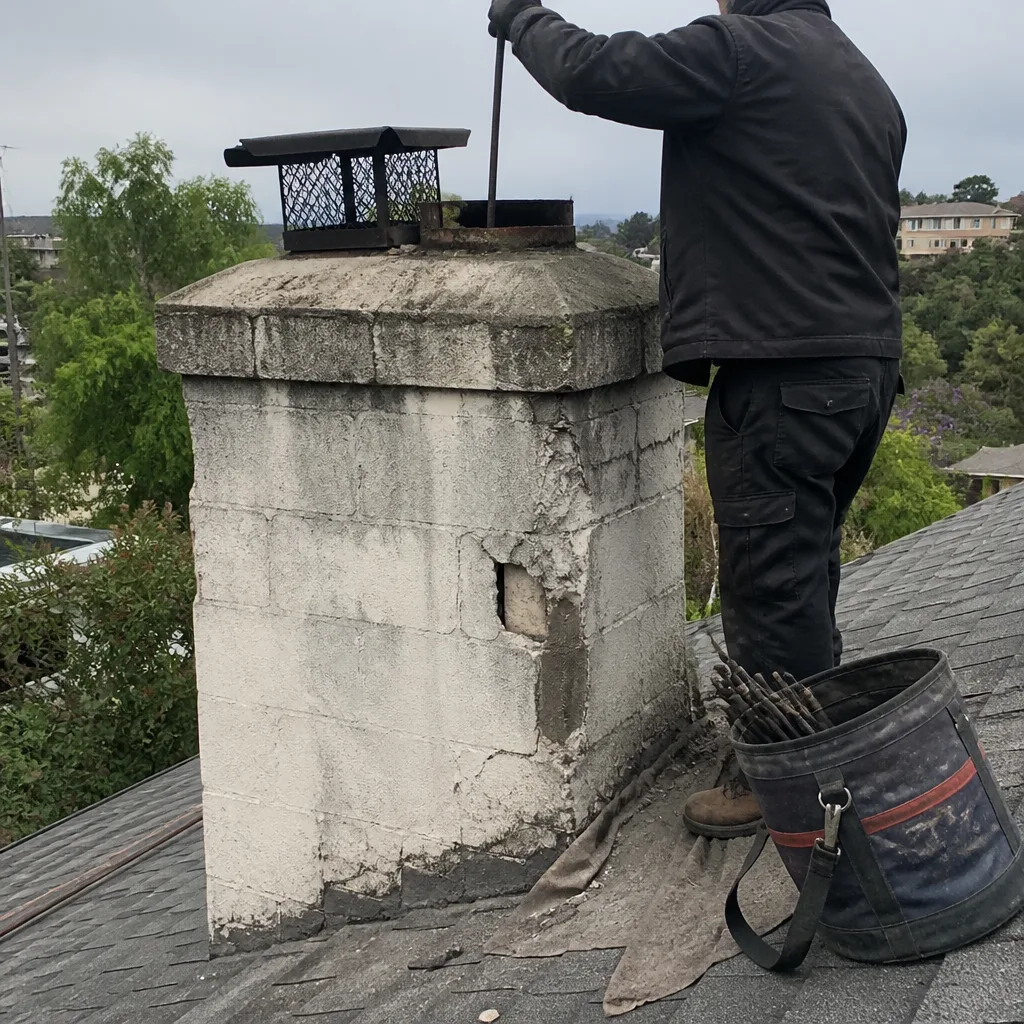
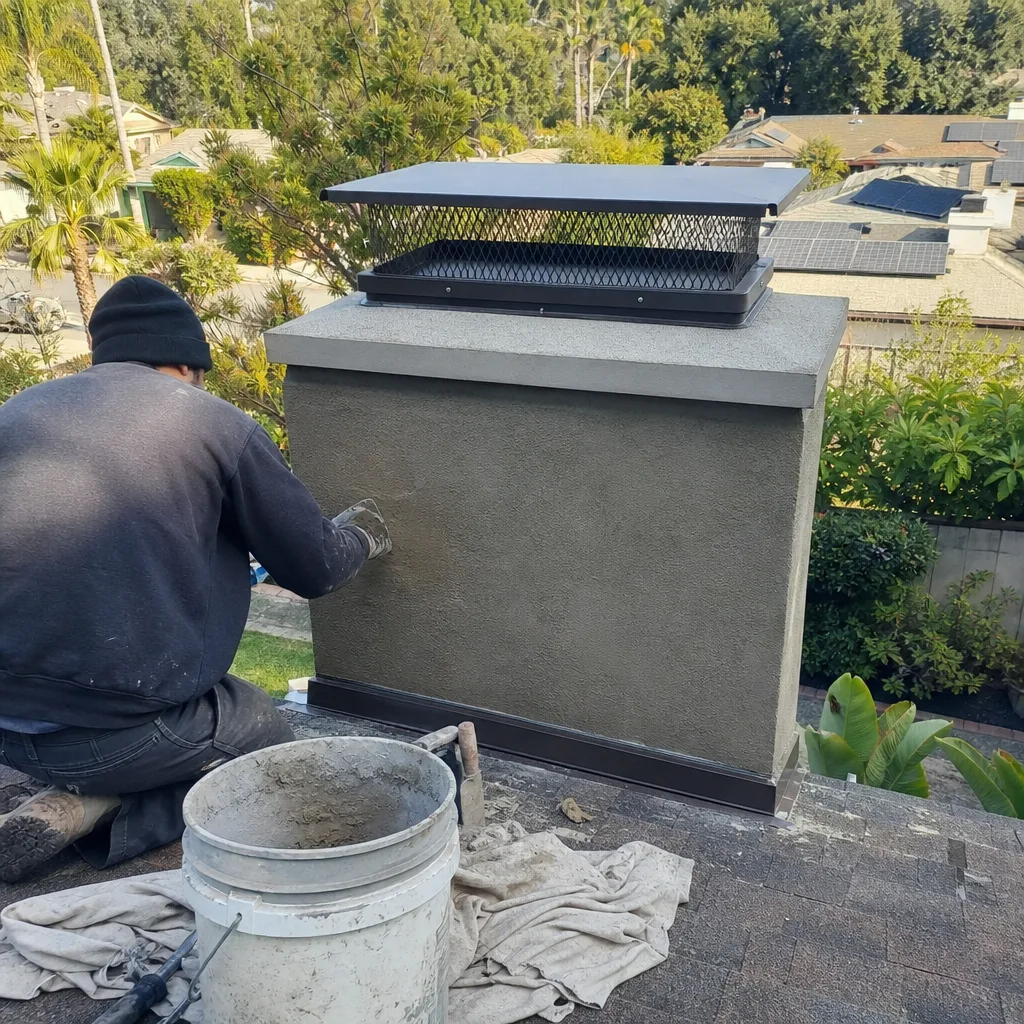
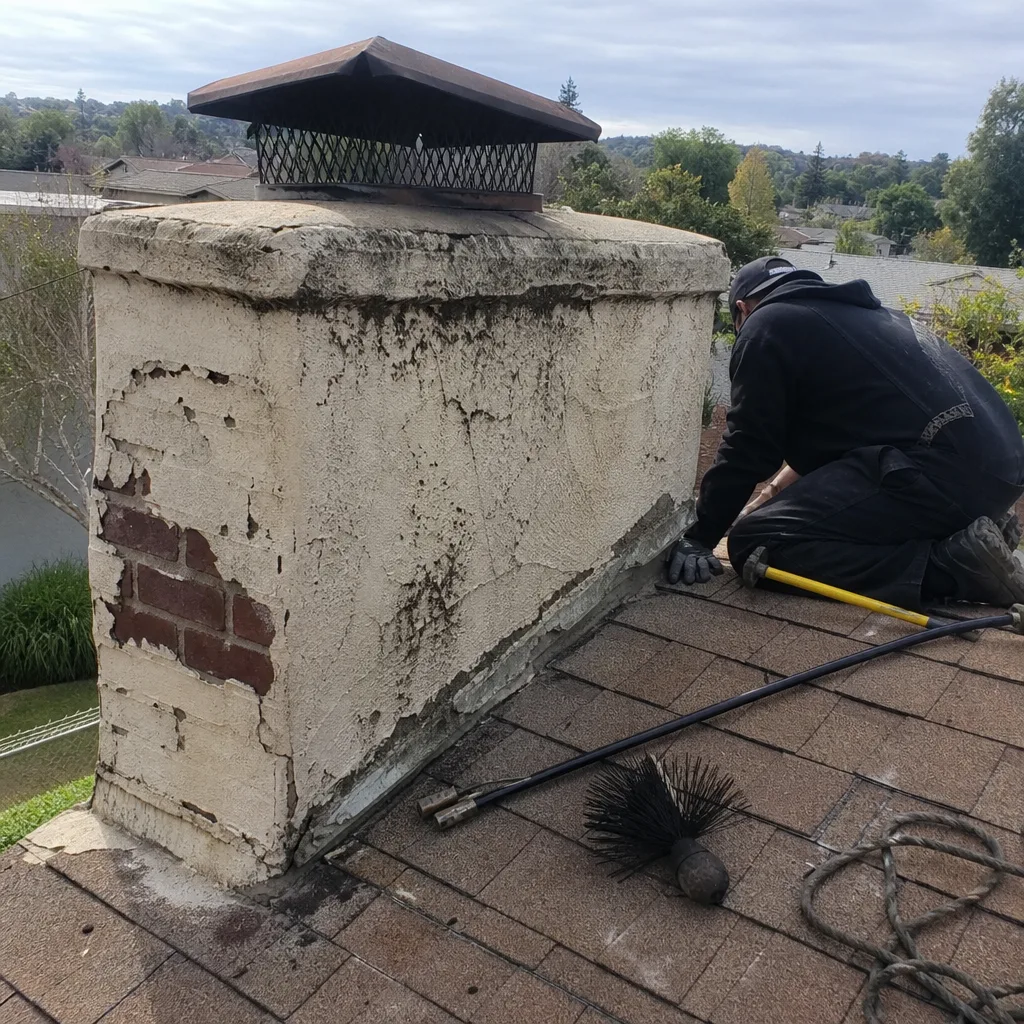
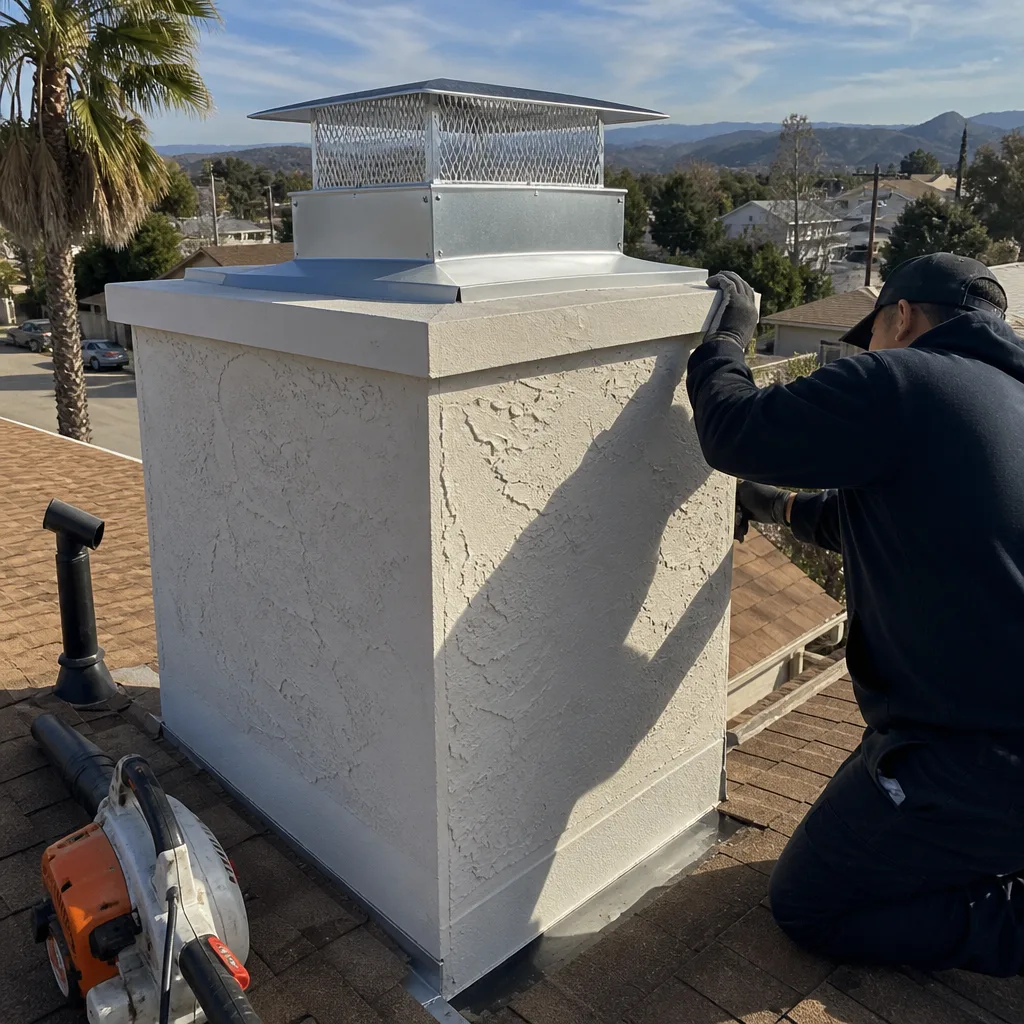
See the difference
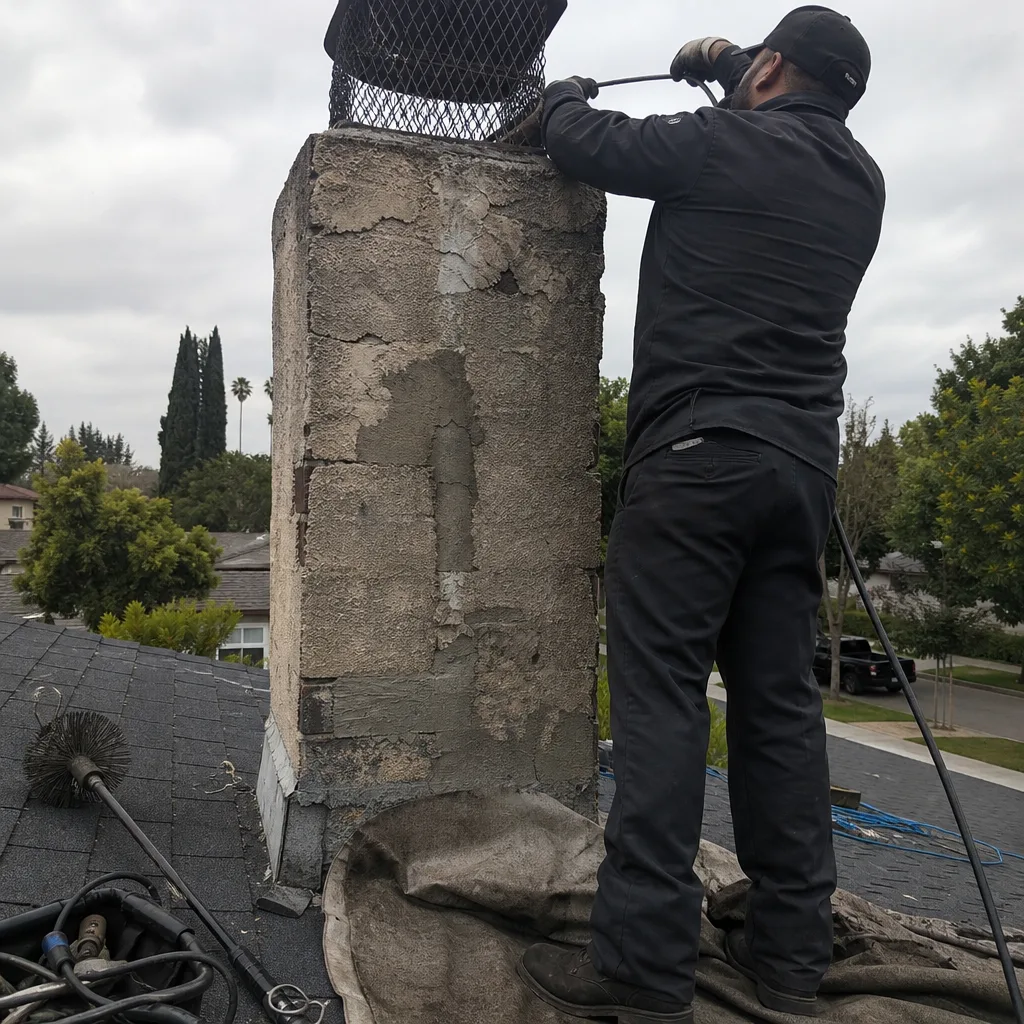 Before
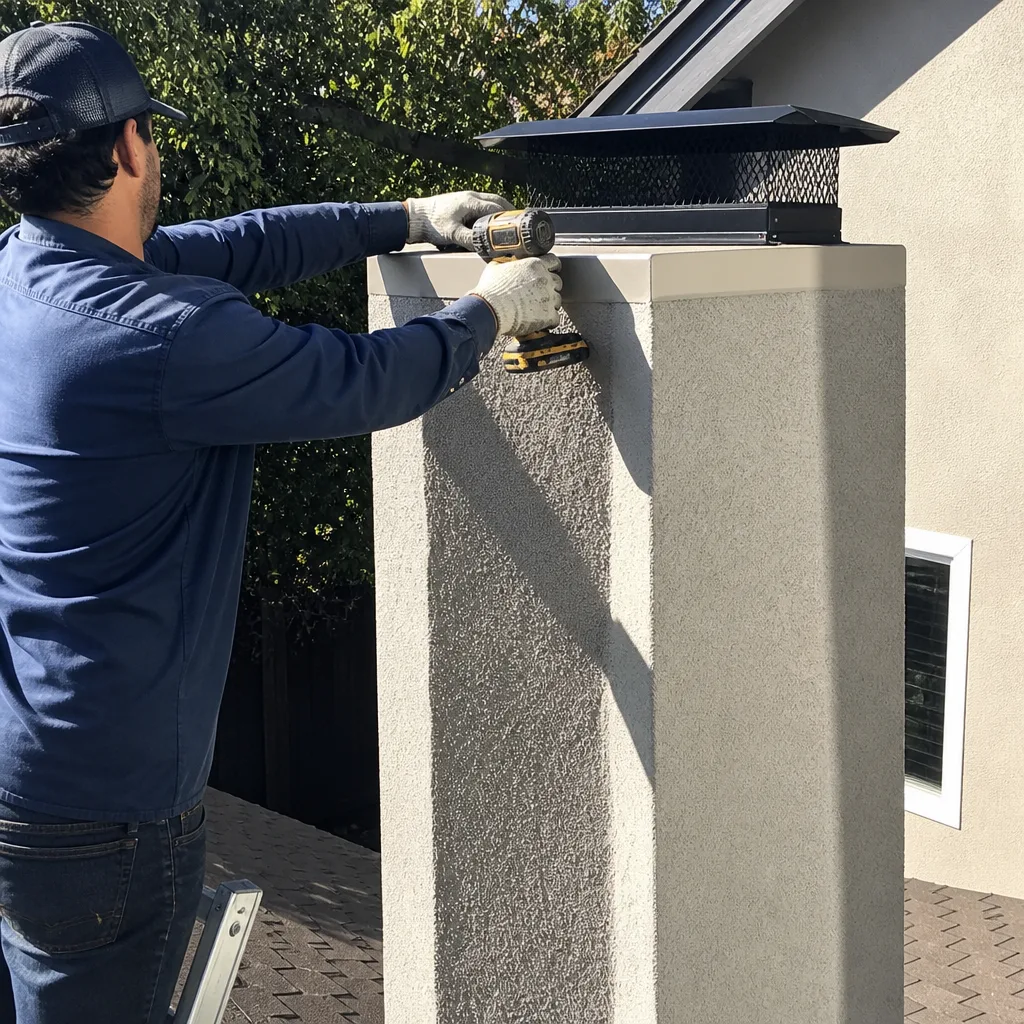 After
 Before
 After
 Before
 After