Emergency Chimney Sweep Near Me: What Universal City Homeowners Should Do First
When a chimney emergency hits in Universal City, the sequence of what you do in the first 20 minutes determines whether you’re dealing with a cleanup or a structural repair. If you’re seeing flames inside the flue, hearing a loud roaring sound like a freight train, or smelling gas, call 911 first, then evacuate. If the event is over and you need an assessment, call a sweep who can put a camera in the flue, not just run a brush through it. If you’d rather not sort this out yourself, call Causeway Chimney Sweep at (877) 500-2276 and we’ll walk you through it.
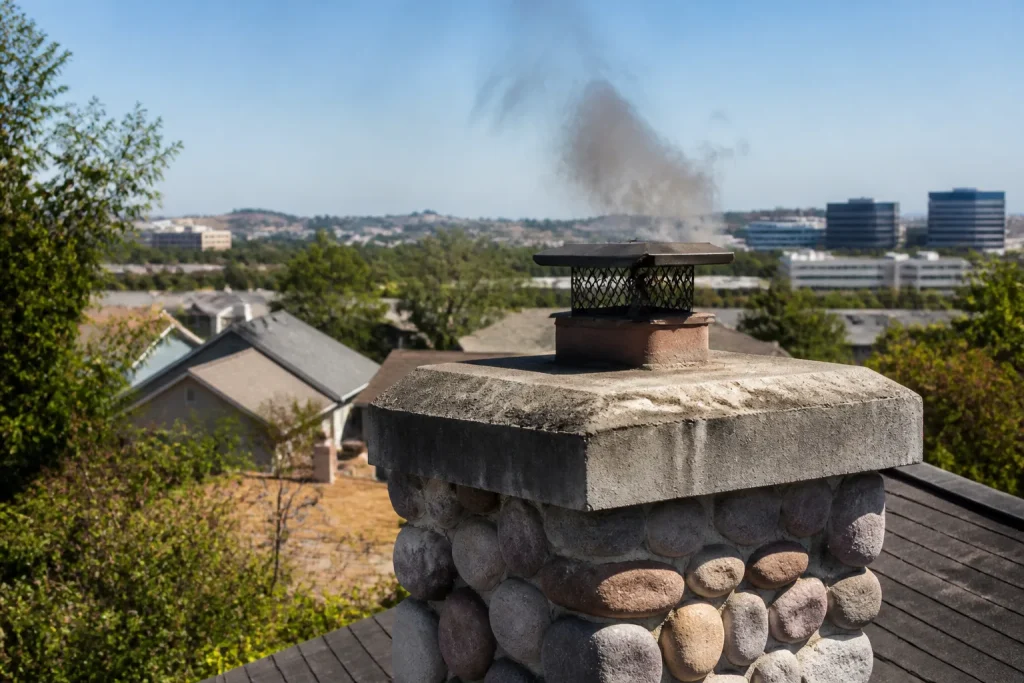
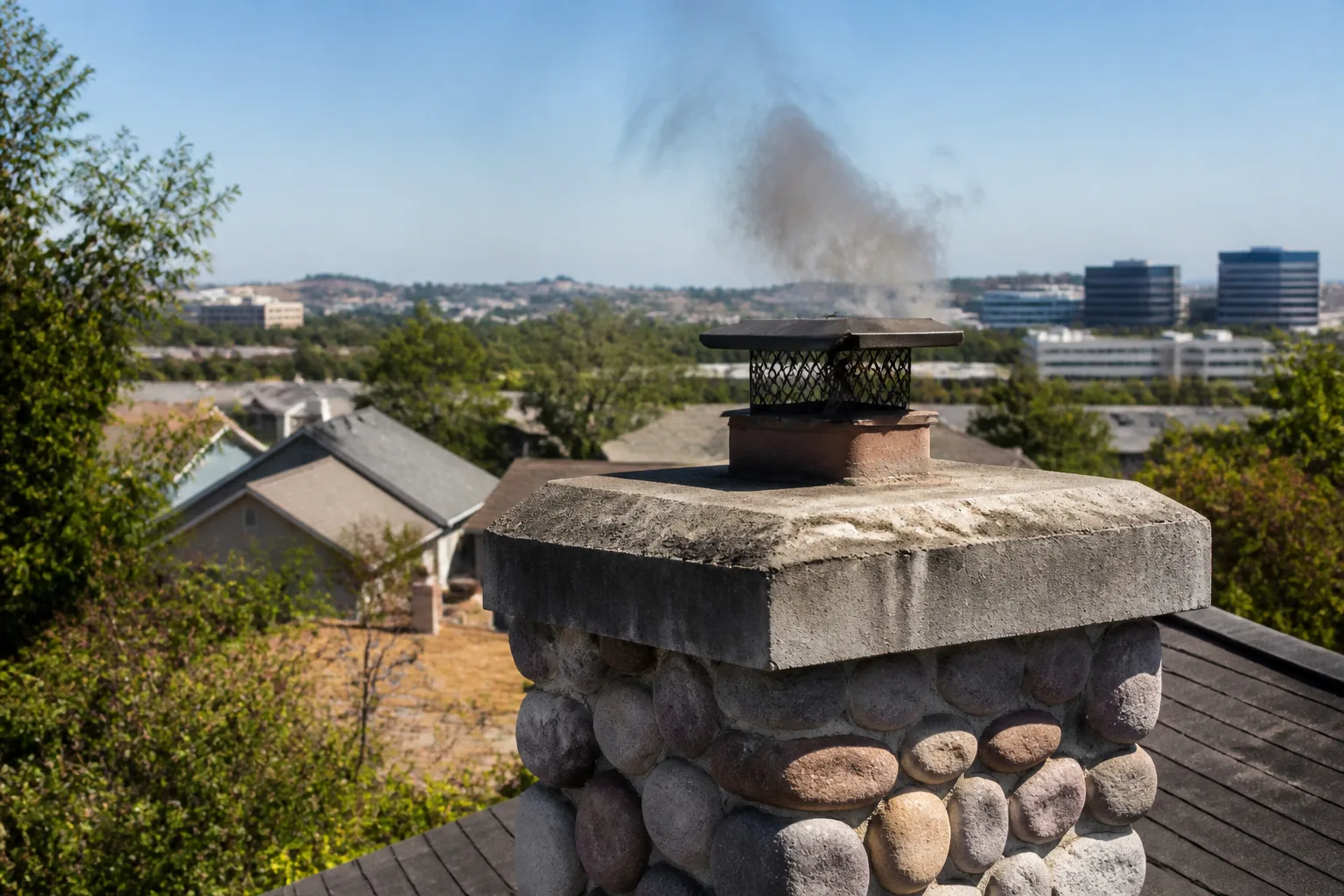
A chimney fire doesn’t always roar. Most are slow, low-temperature burns that smolder behind the flue tiles or along the creosote glaze, never producing visible flame from the outside. The homeowner notices some odd popping, maybe a hot smell near the mantel, and then it passes. A week later, the damage is only visible when a technician drops a camera down the flue and sees the cracked tiles and the honeycomb pattern in the creosote that indicates a burnout happened. By then, the chimney is no longer safe to use, and the repair is more expensive than a sweep would have been if the fire had been caught early enough to prevent. In Universal City, where hot dry summers bake the masonry and winter inversions trap smoke at roofline, the conditions for undetected chimney fires are more common than most homeowners realize.
Here’s what an emergency actually is in chimney terms, what your job is before a technician arrives, and what a legitimate post-emergency inspection must include. We’ll also tell you what you should never do, because in our experience the well-intentioned homeowner who opens the cleanout door or pokes a flashlight up the flue after an event usually makes the situation worse.
What Counts as a Chimney Emergency in Universal City
Not every chimney problem is an emergency. A slow draft on a windy afternoon is a nuisance. A smoke stain above the mantel is a sign of a problem that needs attention, but it doesn’t require a same-day response. An emergency means one of four specific conditions, and each requires a different first move.
- Active chimney fire. You hear a loud roar, see flames or dense black smoke coming from the chimney, or feel the wall around the fireplace getting hot to the touch. This is a 911 call before anything else. Get everyone out, and from outside, close the damper only if you can reach it without going near the firebox. Do not use water. Water on a hot flue causes thermal shock that shatters the liner and sends hot shards into the house.
- Gas backdraft event. You smell gas or combustion odors inside the house when the gas appliance fires, or you notice soot building up around the gas fireplace or water heater vent. Leave windows open if you can, don’t operate any electrical switches, and leave the house. Call the gas utility first. After the utility clears the house, call a sweep who understands combustion air and venting configuration, not just someone who can run a brush.
- Post-fire assessment. Something happened last night. Popping sounds, maybe a hot smell, maybe you saw embers from the top. The event is over but you don’t know if the chimney is intact. This is not a standard sweep. This requires a camera inspection and a written condition report before you light another fire.
- Sudden blockage. A bird, a raccoon, a failed cap, or a deteriorated liner section has fallen and partially or fully blocked the flue. You’ll notice smoke backing up into the room more than usual, or a draft that reverses when the wind shifts. A blocked flue can push carbon monoxide back into the house, and if you’re in Universal City where many homes run gas logs through masonry chimneys, the risk is more acute because carbon monoxide is colorless and odorless until the detector goes off.
In each of these four situations, the homeowner’s job is not to diagnose the problem. It’s to secure the house and stop using the fireplace until a professional has looked. We regularly take calls from homeowners in Universal City who want to describe the sound over the phone and have us tell them it’s fine. We won’t do that. If you’ve had a suspected fire, a gas smell, or a blockage, the flue has to be seen internally before we’ll clear it for use.
What to Do in the First 20 Minutes After a Suspected Chimney Fire
If you suspect a chimney fire but you’re not sure, treat it as a fire until proven otherwise. The steps are simple, but most people skip one or do one out of order. Here’s the sequence, and here’s why each step matters.
- Close the damper if it’s safe to reach. A closed damper cuts off the oxygen supply to the firebox, which slows the burn. Do not reach into or over an active fire to close it. If the firebox is hot or flames are visible, skip this step.
- Leave the house. Don’t linger to watch the chimney top. A chimney fire can breach the flue and enter the attic space in minutes, and you won’t see it from the living room. Get everyone out including pets.
- Do not open the cleanout door. This is the one almost everyone gets wrong. The cleanout is the small metal door at the base of the chimney, usually in the basement, crawlspace, or outside at the base of the masonry. Homeowners open it to check for fire, and when they do, they introduce a blast of oxygen into the very area where creosote debris has accumulated and where the fire is often still smoldering. We’ve seen cleanout doors blown off their hinges by homeowners who opened them into an active smolder. Leave it closed.
- Call 911 if you saw flames or heard a roar. Even if the fire seems to have stopped. Universal City fire crews can check the attic and chase areas with thermal imaging, which is not something you can do from the ground. After the fire department clears the house, call a sweep for a post-fire inspection before any further use.
The structural reason these steps matter is that chimney fires don’t just burn creosote. They degrade the mortar between flue tiles, crack the tiles themselves, and can compromise the connection between the flue and the surrounding masonry. In a Universal City home built in the 1960s or 1970s, the flue is typically unlined clay tile, and once those tiles crack, the chimney can vent combustion gases directly into the wall cavity. You won’t know that from looking at the chimney cap. You need a camera to see it.
When to call a pro: after any suspected fire event, before you light another fire. A post-fire assessment isn’t the same as a chimney sweep in Universal City. A sweep removes creosote. An assessment determines whether the flue is still safe to use. They are related but not interchangeable, and the invoice should say something like “post-fire inspection, camera, liner integrity check” rather than just “chimney cleaning.”
What a Post-Emergency Inspection Must Include
A standard sweep is not sufficient after a suspected chimney fire, gas backdraft, or blockage event. Here’s what a legitimate post-emergency inspection covers, and what you should ask for specifically when you call a company in Universal City.
- Camera inspection of the full flue length. The technician should be able to show you the footage or send you a video file. You should be able to see the flue tiles, the gaps between them, any cracks, and any creosote glaze that indicates a burnout happened. If the company doesn’t own a camera or charges extra to use it, call someone else.
- Smoke chamber visual. The smoke chamber is the area above the firebox where the flue narrows. It’s a common failure point in Universal City because it’s often corbeled brick with exposed mortar joints, and it’s almost never visible without special lighting or a camera. A post-fire inspection should look at it.
- Exterior crown and cap check. The crown is the concrete or mortar surface at the top of the chimney. Cracks in the crown let water in, and water plus heat equals faster deterioration. The cap keeps rain, birds, and embers out. If the cap is missing or damaged after an event, it needs replacement before the chimney is used again.
- Liner integrity check. This is the difference between a clean-only sweep company and a repair-capable one. If the liner is cracked or the flue tiles are compromised, the fix is a liner system, not a brush. We specify DuraFlex flexible liner systems and HeatShield resurfacing, which are the same product lines specified by certified sweep associations. A company that doesn’t carry these product lines may tell you the chimney is “fine” because they don’t have a way to repair it if it isn’t.
- Written condition report. You should leave the visit with a document that states what was inspected, what was found, and whether the chimney is safe for use. Verbal summaries don’t count. If there’s an insurance claim, the written report is what the adjuster reads.
We pulled a camera out of a flue in Universal City a while back where the homeowner had called us for a “routine sweep” after a winter fire season. The camera showed a cracked liner and creosote glaze patterns that indicated a low-temperature chimney fire had happened at some point in the previous months. The homeowner had no idea. They’d been using the fireplace the whole time. We relined it with a DuraFlex system and the chimney has been running clean since. The point: you can burn a fire in a damaged chimney for months without knowing anything is wrong, and the first sign of trouble can be a carbon monoxide detector at 3 a.m. or a chimney fire that doesn’t stay contained.
The Universal City Climate Factor: Why Compromised Flues Are Riskier Here
Universal City sits in a specific weather pattern that makes a compromised flue more dangerous than it would be in a wetter climate. We don’t get the months of heavy rain that some regions get, which means homeowners are less likely to notice small leaks, and the dry air allows fine soot and creosote to dry out and become more combustible. The summer heat cycles bake the masonry, and when fall comes and the first fires of the season hit that hot, dry flue, any existing cracks are already under thermal stress from the weather alone.
The wildfire-adjacent environment adds another layer. If your flue has cracks or a missing cap after a chimney fire, embers from your own fire can escape the flue and land on a dry shake roof or in a gutter filled with dry leaves. In Universal City, a roof is often the first thing to ignite. We don’t say this to be dramatic. We say it because the ember escape route is exactly the kind of failure a post-fire inspection is designed to find, and too many homeowners skip the inspection because the fire “looked fine” from the outside. If the flue is compromised, the fire is not fine.
How to Evaluate an Emergency Chimney Sweep Service in Universal City
When you’re calling around after a fire or gas event, you’re not in a good position to do a lot of research. But you can ask three questions in two minutes, and the answers will tell you whether you’re talking to a specialist or a generalist.
- Do you have a camera, and is the camera inspection included in the post-emergency visit? If the answer is no, or if they charge extra for it, you’re not getting a post-emergency assessment. You’re getting a cleaning. Different thing.
- What liner repair systems do you carry? If the answer is “we don’t do liners” or “we’ll refer that out,” you’re talking to a clean-only operator. That’s fine for routine maintenance but not for an emergency. A chimney that has had a fire or a backdraft event needs to be evaluated by someone who can repair it, not just someone who can brush it. We carry and install DuraFlex and HeatShield, and we specify by name because the material matters.
- Will I get a written condition report? If the company can’t provide one, you have no record of what was found, which matters for insurance claims and for future home inspections when you sell. A legitimate post-fire assessment produces a document. Always.
Related services in Universal City: if you’re having your chimney inspected after an event, it’s worth having the dryer vent cleaned in Universal City at the same time if it hasn’t been done in the past year. A dryer vent is a venting system, not an afterthought, and the same house conditions that bake a chimney also dry out lint in a dryer duct. One call, full system. We handle chimney sweeping, chimney repair in Universal City, and dryer vent cleaning in-house, so you’re not coordinating three separate contractors after an emergency.
The Bottom Line
A chimney emergency is not a time to guess. The sequence of actions matters: close the damper if it’s safe and reachable, leave the house, don’t open the cleanout, and call 911 if you saw flames or heard a roar. After the event, the chimney needs a camera inspection, a liner integrity check, and a written condition report before you light another fire. A standard sweep doesn’t satisfy that protocol. If you’re in Universal City and you need a post-fire assessment, same-day guidance, or help figuring out what’s actually going on in the flue, Causeway Chimney Sweep offers free estimates. Call (877) 500-2276 and we’ll tell you what we see, not what you want to hear.
Learn more about the full scope of what we do at Causeway Chimney Sweep home or visit our chimney repair page for Universal City if the inspection turns up damage that needs more than a brush.
Frequently Asked Questions
Close the damper if you can reach it without getting near the firebox, leave the house with everyone inside, and call 911 if you saw flames or heard a loud roaring sound. Do not open the cleanout door, and do not use water on the chimney. After the fire department clears the house, call a sweep for a post-fire camera inspection before using the fireplace again.
No. Chimney fire damage is internal, and you cannot see it from the ground or from the top without a camera. Cracked flue tiles and degraded mortar joints can vent combustion gases into the wall cavity, and the first sign of trouble may be a carbon monoxide detector or a second chimney fire. A post-fire inspection is the only way to know if the flue is safe.
No. A standard sweep removes creosote and soot. A post-fire inspection is a separate protocol that includes camera inspection, liner integrity check, smoke chamber visual, and a written condition report. Many Universal City homes have clay tile flues that crack during chimney fires, and a brush alone won’t reveal that damage. Call (877) 500-2276 if you need a post-event assessment.
Call (877) 500-2276 and explain what happened. We’ll tell you what you should do immediately and schedule a visit as quickly as possible. We don’t promise same-day service on the page, but we understand that after a fire or gas event, the clock is running and we’ll be straight with you about when we can get a technician to your Universal City home.
Written by the team at Causeway Chimney Sweep, serving Universal City since 2015.
Need Chimney Cleaning Help?
Call Causeway Chimney Sweep — licensed & insured, here with fast after-hours help in Studio City.
(877) 500-2276